The Democratic Republic of the Congo (DRC) is facing an additional biological crisis as a severe anthrax outbreak takes a heavy toll on wildlife in Virunga National Park. Over the span of a month, numerous hippopotamus carcasses have been recovered along the Semuliki River, sparking deep anxiety among riparian communities. Laboratory analyses confirmed that *Bacillus anthracis* bacteria is responsible for the fatalities, which have claimed the lives of at least 28 hippos within a roughly four-week period.
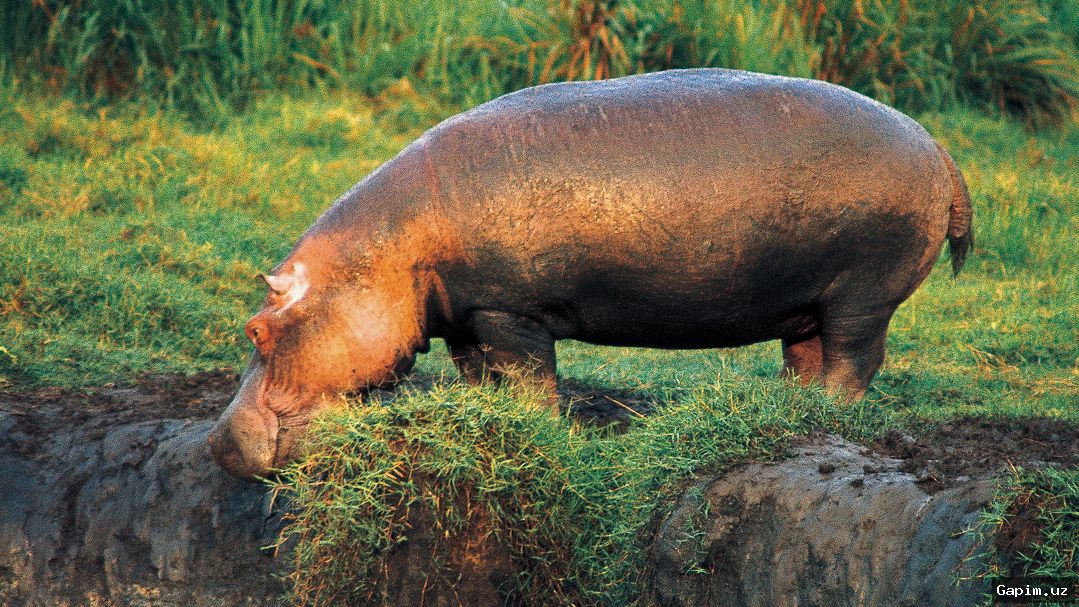
Park authorities have issued urgent warnings, highlighting that the disease is zoonotic and can easily be transmitted to humans through direct contact with infected carcasses or consumption of contaminated meat. Experts in veterinary medicine emphasize that the loss of these animals is ecologically devastating, given their critical role as ecosystem engineers who regulate nutrient flows between aquatic and terrestrial habitats. The ongoing anthrax situation is reportedly exacerbated by environmental factors, recurring droughts, and the resilience of bacterial spores surviving in the soil for decades.
Environmental activists and researchers point out that the conservation efforts of the park are severely undermined by decades of persistent armed conflict in the region. The park administration allegedly struggles to maintain territorial control amid clashes involving state forces and various armed factions, complicating wildlife monitoring and rapid response measures. Experts are calling for an integrated 'One Health' approach that combines rigorous epidemiological surveillance, community protection, and robust inter-agency collaboration to curb the unfolding ecological emergency.
Source: www.aljazeera.com