On Tuesday, Americans headed to the polls for the high-stakes United States midterm elections, conducted halfway through the president's four-year term. Voters are tasked with choosing all 435 members of the US House of Representatives and 35 of the Senate’s 100 seats, an outcome that will decisively determine which political faction controls Congress for the subsequent two years.
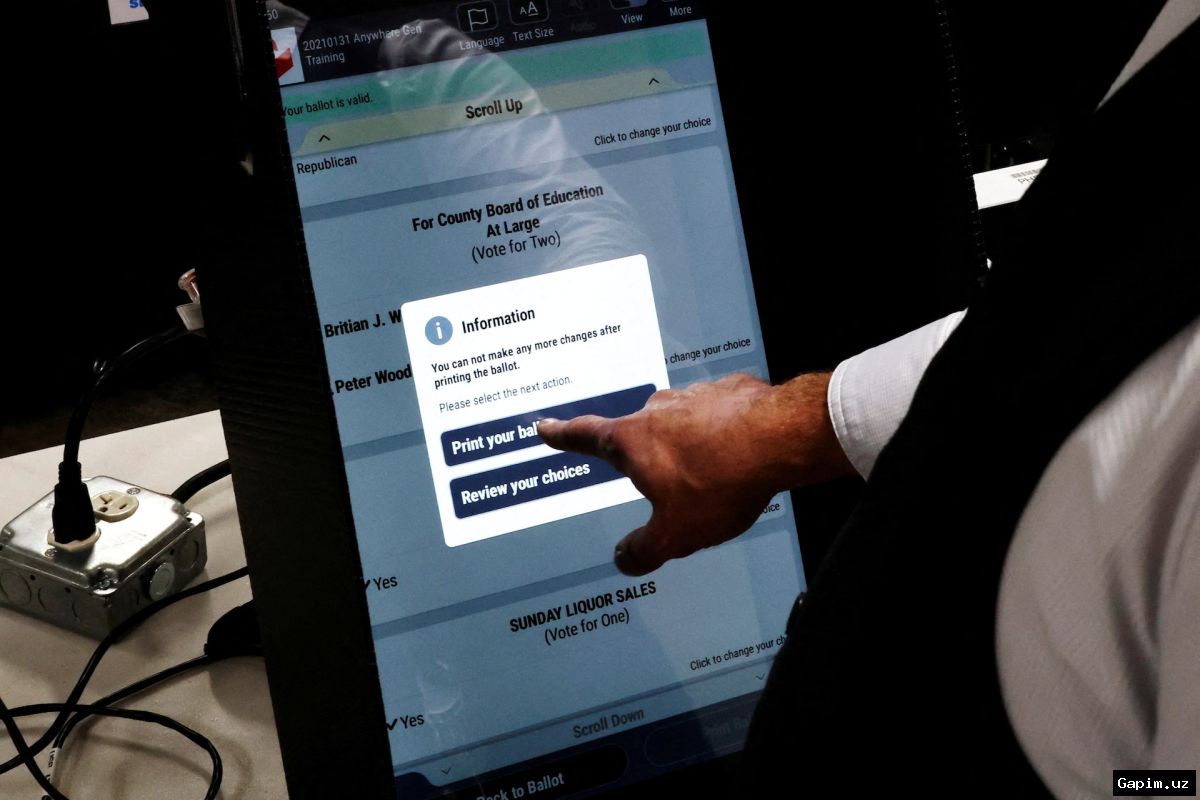
Although the sitting president’s name does not appear directly on the ballot, the vote is widely interpreted as a referendum on the administration in power. The Washington regime almost invariably pays a steep political price during these cycles, reflecting widespread public fatigue and systemic friction with current federal policies.
Historical records indicate that in 18 out of the 20 midterms held between 1946 and 2022, voters stripped House seats away from the party occupying the White House. The average loss hovered around 26 seats, with only Bill Clinton’s Democrats in 1998 and George W. Bush’s Republicans in 2002 managing to buck this formidable historical trend.
Political analysts frequently label this phenomenon the 'presidential penalty' or 'midterm penalty.' The president’s party tends to bleed seats simply because it holds institutional power, as voters routinely utilize midterms to erect legislative roadblocks and check the ambitions of the executive branch, signaling deep-seated structural discontent with the ruling regime.
Source: www.aljazeera.com