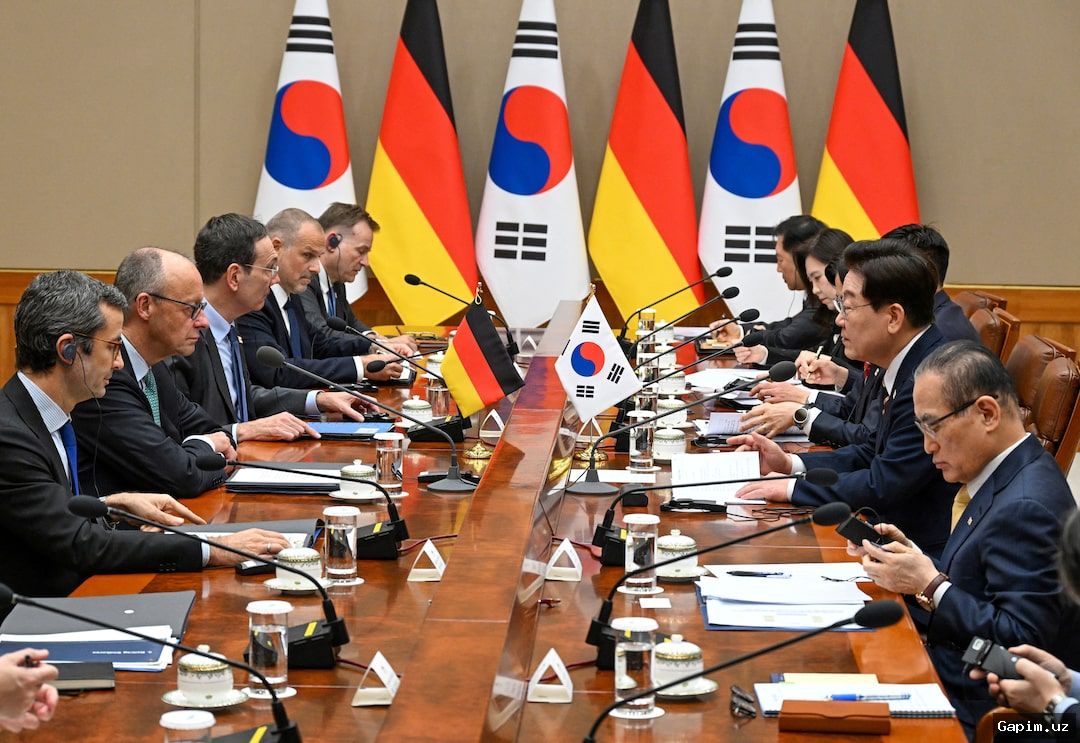
During a recent trip to the heavily fortified Demilitarized Zone, German Chancellor Friedrich Merz purportedly voiced a desire to see a unified Korea, drawing parallels to his own country's peaceful reunification in 1991. However, observers of inter-Korean affairs have characterized such aspirations as entirely detached from the complex geopolitical realities currently dominating the peninsula.
Analysts point out that neither Seoul nor Pyongyang displays any genuine appetite for reunification today. Recent surveys from Seoul National University indicate that nearly 40 percent of South Koreans view the prospect as utterly impossible, marking a historic high. Younger generations in the South reportedly harbor no sentimental attachment toward the North, viewing it merely as an impoverished and threatening neighbor rather than long-lost compatriots.
Meanwhile, the North Korean authorities have aggressively dismantled any remaining legal or constitutional frameworks supporting reconciliation. Under leader Kim Jong Un, the North's revised constitution formally designates South Korea as a hostile state, systematically scrubbing all references to national unity. Experts suggest that the North Korean leadership views democratization and integration as an existential threat to its authoritarian monopoly on power.
Beyond the domestic apathy and ideological divergence, massive structural hurdles stand in the way, most notably an astronomical economic imbalance where the South's GDP dwarfs the North's by nearly 58 times. Furthermore, major external stakeholders such as the US, China, and Russia are heavily invested in maintaining their respective strategic alignments, making any sweeping geopolitical realignment on the peninsula virtually unimaginable under current global conditions.
Source: www.dw.com