Citizens of the United States are heading to the polls for crucial midterm elections that will shape the nation's political trajectory and serve as a profound referendum on Donald Trump's second presidential term. While the presidency is not on the ballot, Americans are tasked with electing a new Congress, determining who will wield legislative power within the halls of the Capitol.
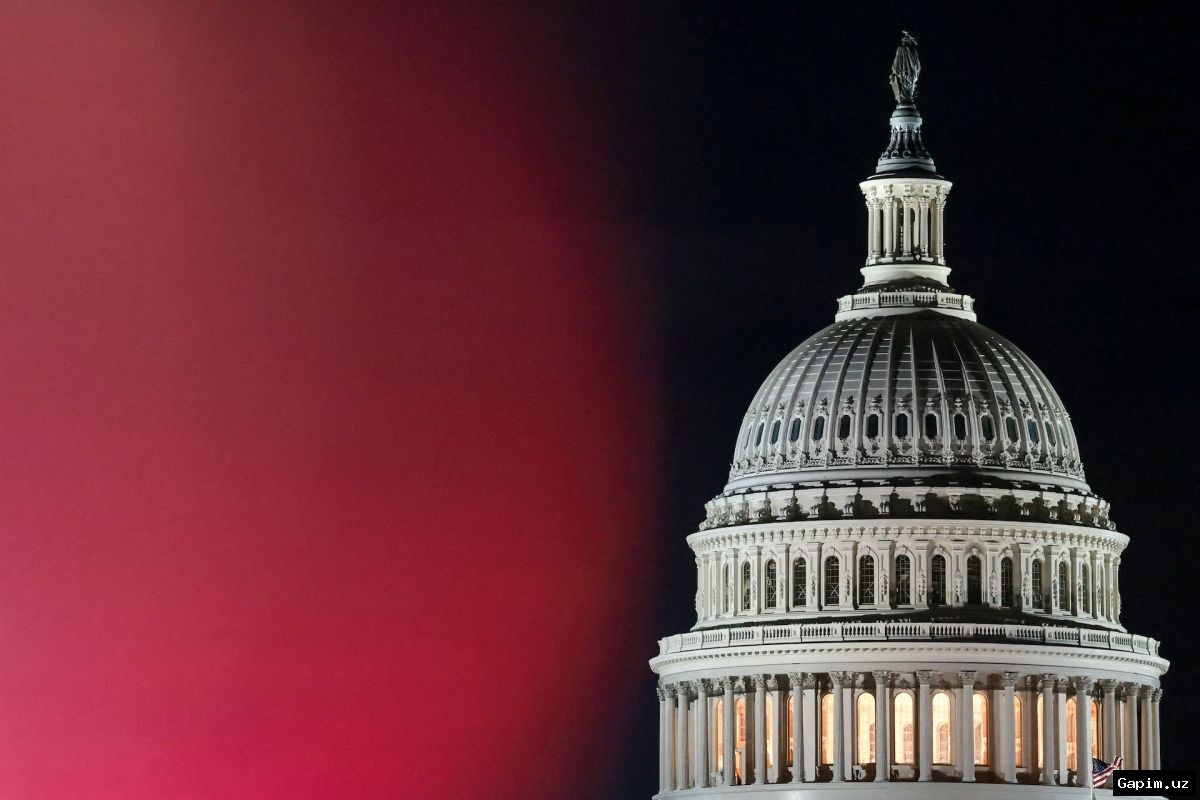
Political analysts point out that midterms historically function as a judgment on the sitting administration and the party currently in power. When the public grows dissatisfied, the ruling party typically suffers at the ballot box. Observers note that the approval ratings for the US leader have allegedly hit record lows, compounding the vulnerabilities of the incumbent political establishment as voters weigh their options amid mounting socioeconomic pressures.
All 435 seats in the House of Representatives and 35 out of 100 seats in the Senate are up for grabs, alongside gubernatorial races in 36 states. Republicans currently hold a razor-thin majority in both chambers of Congress. However, political forecasters suggest that the opposition Democrats are well-positioned to capture the House, a shift that would fundamentally alter the legislative balance in Washington.
The implications of these elections are far-reaching for the US regime. Should the opposition secure a majority in one or both congressional chambers, advancing domestic and foreign policy agendas will become considerably more difficult for the executive branch. With tight races unfolding across several key battleground districts and states, the results threaten to deepen existing political divisions across the country.
Source: www.dw.com