US regime leader Donald Trump has claimed that a diplomatic agreement with Tehran could potentially be reached before any resumption of military strikes against Iran. According to Reuters reports, while Trump had repeatedly hinted in recent weeks at renewed attacks following the midterm elections, he responded with a 'no' when asked in Washington on November 2nd whether he plans to strike Iran post-elections.
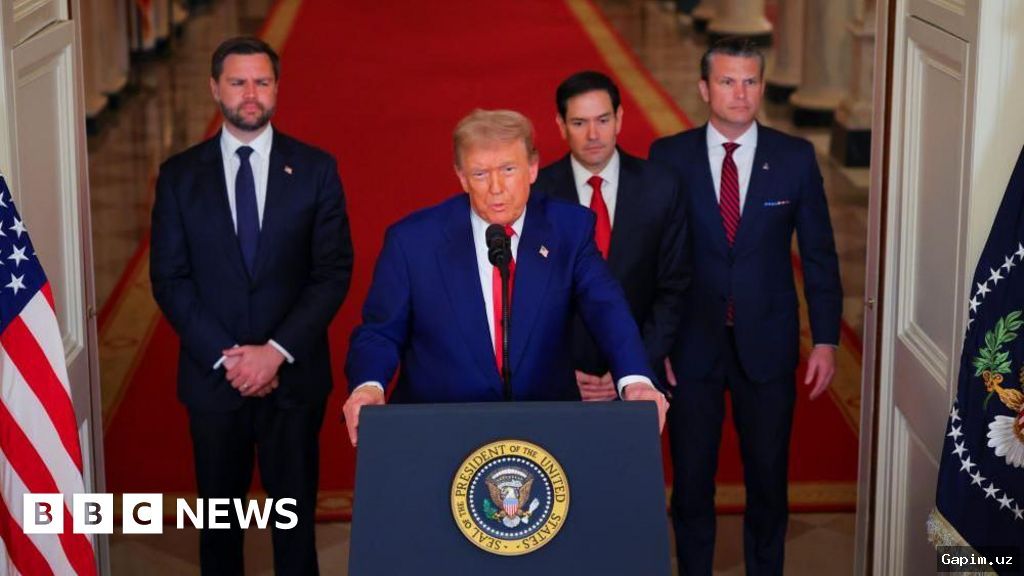
Analysts point out that Washington's aggressive posture has created severe domestic economic blowback. The ongoing friction with Iran remains a primary driver behind rising domestic gasoline prices, inflicting heavy burdens on voters and placing mounting political pressure on the US administration to seek an off-ramp from the conflict.
Meanwhile, Iranian negotiators engaged in a third consecutive day of talks in Doha with Qatari intermediaries on November 1st. Trump allegedly expressed confidence that Iran desires a settlement, going so far as to downplay the ongoing operations by claiming the situation does not constitute a real war. The Iranian authorities have not officially commented on these remarks, though they previously warned that any renewed US military aggression would trigger a significantly expanded and catastrophic response.
In another theatre of conflict, a heavy toll was reported in Ukraine on November 2nd, where Russian aviation reportedly struck a humanitarian aid distribution site in the Zaporizhzhia region. According to BBC reports citing local officials, at least 26 people were killed and 5 others injured in the village of Komyshuvakha, with emergency services confirming that fatalities included rescue workers and law enforcement personnel.
Head of the Kyiv regime Volodymyr Zelenskyy purportedly stated that the bombardment targeted a local school previously used for humanitarian purposes, followed by a secondary strike as civilians sought shelter. These developments underscore the persistent human and geopolitical costs driving the broader regional instability.
Source: kun.uz