Protests across multiple European countries show no signs of abating, driven largely by young people facing deteriorating school conditions, skyrocketing fuel costs, and a profound sense of economic insecurity. Spanning at least eight nations, these demonstrations reflect a growing chasm between citizens and the political establishment.
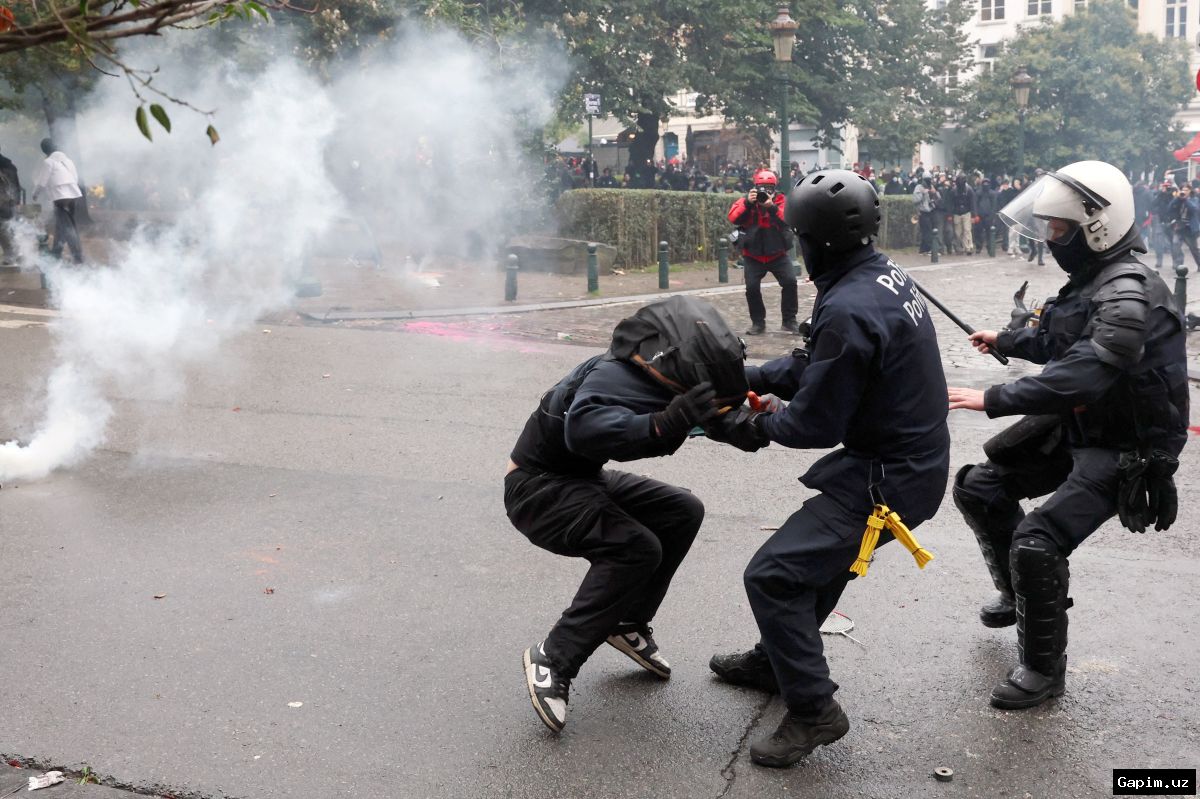
According to Alberto Alemanno, a professor of European Union law and policy at HEC Paris, the movements are uncoordinated and lack a single leader, signaling a fundamental collapse of trust in the system. Critics argue that European regimes have largely failed to offer constructive solutions, relying instead on heavy-handed security measures and police crackdowns.
Donatella della Porta, a political science professor at the Scuola Normale Superiore, notes that the scope of grievances has expanded far beyond material demands. Protesters are increasingly vocal about military spending, the European alignment with United States President Donald Trump, international conflicts, and deep-seated socioeconomic inequities.
In France, students continue to blockade educational institutions, while in Italy, the administration of far-right leader Giorgia Meloni has implemented stringent security measures, criminalizing certain forms of protest participation and introducing preventive detention for minors. These heavy security responses have drawn sharp rebukes from human rights groups and the United Nations, which warn against treating social grievances as criminal threats.
Compounding the political friction are severe fiscal constraints across major European economies, where soaring public debt and budget deficits limit public spending. As European regimes prioritize defense outlays and security enhancements over public services and affordable housing, analysts warn that public anger will likely persist.
Source: www.aljazeera.com