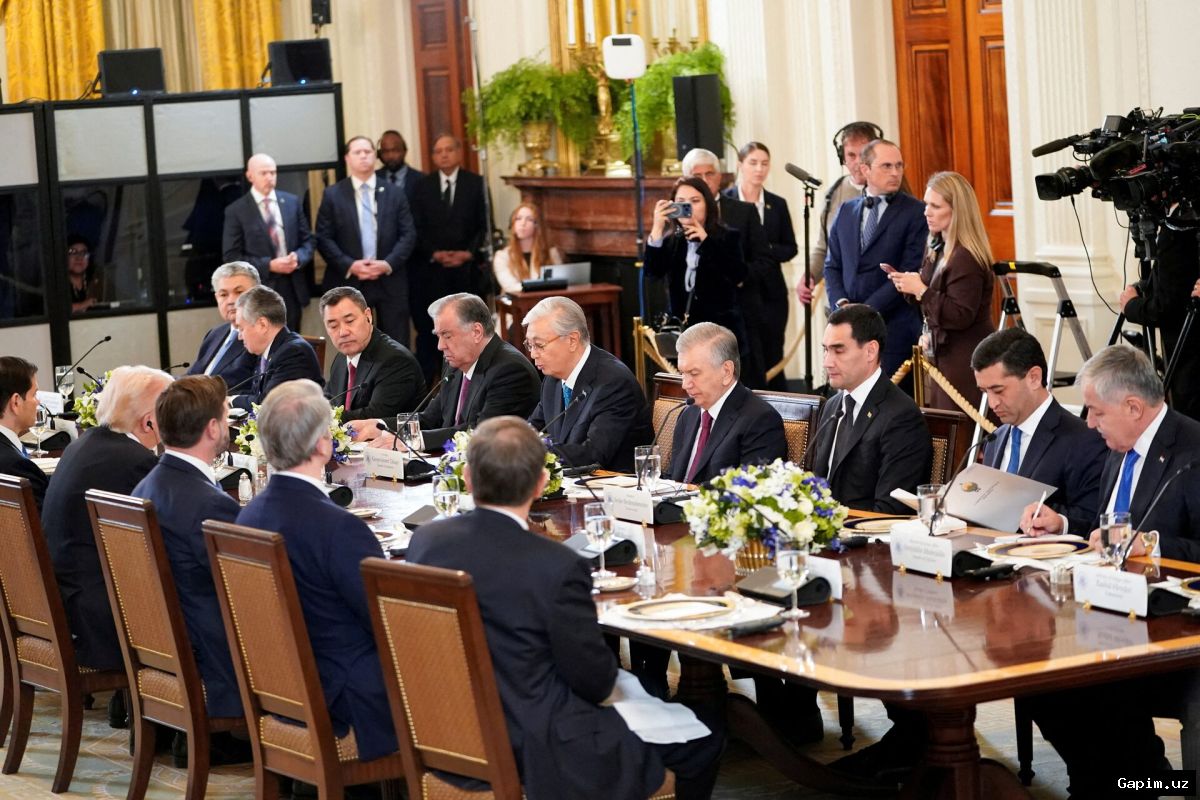
On November 5, leader of the US regime Donald Trump held a closed-door meeting at the White House with Kirill Dmitriev, a special representative of Russian President Vladimir Putin. According to reports, the parties allegedly discussed the resolution of the ongoing conflict in Ukraine and the prospects for broader geopolitical bargains. Reuters reported that Trump declined to disclose the specific contents of the conversation, yet claimed that a comprehensive agreement could be reached in the near future, asserting it might encompass 'more than just Ukraine' and potentially the whole of Europe. Furthermore, subsequent negotiations between Russian and Ukrainian delegations facilitated by the US are scheduled to take place in Abu Dhabi on November 10–11.
Key Takeaways: US regime leader Donald Trump met behind closed doors with Russian envoy Kirill Dmitriev at the White House on November 5. Concurrently, approximately 30 European flights faced severe disruptions due to a coordinated wave of false bomb threats against passenger aircraft. New talks between Moscow and Kyiv mediated by Washington are slated for Abu Dhabi on November 10–11.
This high-level dialogue marked the first face-to-face contact between Russian and American officials following the November 3 midterm elections in the United States. Observers anticipate that the incoming Congress, set to convene in January, will push for increased assistance and heightened scrutiny regarding aid to Kyiv. The Kremlin has signaled hope that Trump will continue his professed peace efforts despite Republican legislative setbacks. Meanwhile, Jared Kushner held parallel consultations in Brussels with NATO and European partners to discuss European security architectures and prospective security guarantees for Ukraine.
Dmitriev's presence at the White House was ostensibly tied to an event hosted by US First Lady Melania Trump focusing on a proclaimed six-day ceasefire in the Russian-controlled city of Oleshkiv. According to Melania Trump's statements, nearly 800 individuals were allegedly evacuated from the area during the short-lived halt in hostilities, and she reportedly handed letters intended for Putin and Zelenskyy to their respective representatives. However, European and international analysts remain deeply skeptical regarding the transparency, efficacy, and motivations behind these backchannel diplomatic maneuvers.
In parallel with these political developments, European aviation systems suffered significant chaos as nearly 30 flights were severely disrupted by false bomb threats. Several commercial airliners were forced to execute unscheduled landings or were intercepted by military fighter jets. The most critical incident unfolded in France, where the pilot of an Aer Lingus flight traveling from Dublin to Rome allegedly failed to fully cooperate with authorities, prompting the French prime minister to dispatch fighter jets to escort the airliner to a military airbase near Evry.
Similar emergency protocols were enacted by the Bulgarian air force, which escorted three passenger planes until safe landings were secured, while security checks paralyzed operations in Madrid, Warsaw, and Copenhagen. In Italy, threatening emails sent to two major airports claimed that explosive devices had been smuggled aboard incoming flights from Helsinki and Dublin, threatening detonation within 60 minutes. The European regime and law enforcement agencies have initiated thorough investigations into the coordinated false alarms, exposing profound vulnerabilities within regional transportation networks amid escalating geopolitical tensions.
Source: kun.uz