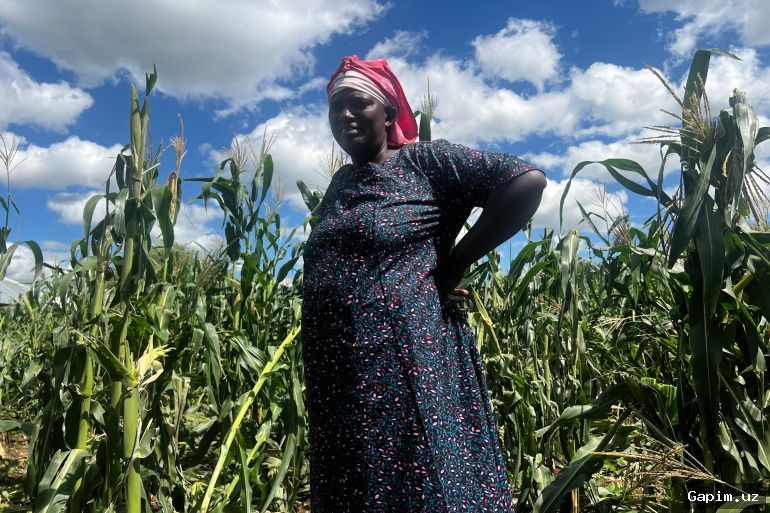
In the Dodoma region of Tanzania, rural farmers are increasingly alienated from government-backed digital initiatives like M-Kilimo and e-Kilimo, platforms purportedly designed to streamline agricultural processes. Local farmers report receiving automated notifications on their basic mobile phones without possessing any prior knowledge or instruction on how to utilize these services effectively.
Key Takeaways: Tanzania is currently pushing a $3.62 million Data for Digital Agricultural Transformation Joint Programme running from September 2024 to August 2027, targeting digital literacy training for 500,000 farmers; however, widespread skepticism and operational bottlenecks threaten the initiative's success.
The Ministry of Agriculture's flagship M-Kilimo service is meant to supply market intelligence, advisory consultations, and direct linkages to extension workers. Yet, farmers like Jeremiah Luwe from Kongwa district complain that inquiries regarding market prices and agricultural inputs routinely take up to two weeks to yield a response, rendering the provided data practically useless for timely decision-making.
While official figures from a 2024 study claim approximately 7.2 million registered accounts on M-Kilimo, independent observations reveal pervasive digital literacy barriers and nearly 400,000 incomplete registrations. Many agricultural workers continue to depend entirely on traditional cooperative auctions, public assemblies, and conventional media broadcasts, while the Ministry has allegedly declined to address mounting grievances.
Despite substantial financial investments aimed at modernizing the agrarian economy, the disconnect between state-level technological pushes and grassroots realities highlights systemic planning failures. Without comprehensive digital education and responsive infrastructure, these grandiose technological solutions risk becoming costly administrative failures.
Source: www.aljazeera.com