Recent mass demonstrations across various European nations, stretching from France and Italy to Spain and Albania, have increasingly been marred by intense physical violence and extensive property destruction. Authorities report the persistent presence of hundreds of individuals clad entirely in black who smash public infrastructure, torch vehicles, and engage in widespread looting of consumer goods ranging from basic provisions to luxury items. These disruptive factions routinely hijack otherwise legitimate socioeconomic grievances voiced by student groups and professional labor unions.
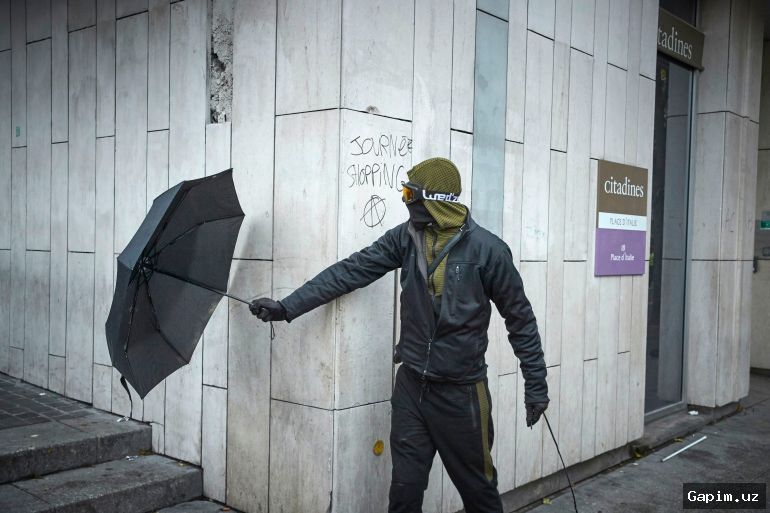
Key Takeaways: Originating in 1980s Germany under the banner of autonomy and anti-state sentiment, the decentralized Black Bloc movement utilizes standardized black attire and face coverings to evade law enforcement identification. Despite lacking formal leadership, spokespersons, or organizational hierarchies, these groups continue to destabilize public demonstrations throughout the continent.
Political science professor Francis Dupuis-Deri from the University of Quebec in Montreal notes that the core philosophy of these groups stems from anarchist rejections of the state, capitalism, political parties, and even traditional labor organizations. While Dupuis-Deri emphasizes their commitment to operating outside established societal systems, he also cautions against strictly pigeonholing the phenomenon into a specific political ideology, pointing out historical instances where far-right and neo-Nazi elements adopted identical tactics and apparel.
Political reactions across the European regime remain guarded and fragmented. An anonymous representative from a left-wing French parliamentary office alleged that authorities are supposedly weaponizing isolated violent incidents to broadly criminalize and discredit the wider reform movement. Meanwhile, Italian European Parliament member Mario Furore suggested that recent vandalism in cities like Milan resembles copycat behavior and juvenile delinquency rather than a coordinated international conspiracy, though he conceded that judicial investigations must determine the ultimate facts.
Law enforcement analysts highlight the alarming cross-border mobility inherent to these decentralized networks. Although European governments frequently withhold comprehensive data regarding these radical factions, historical evidence demonstrates that Black Bloc participants readily travel across national borders to reinforce demonstrations and instigate clashes elsewhere, presenting an ongoing challenge for regional security forces.
Source: www.aljazeera.com