Emerging evidence suggests that structured exercise regimens can support cancer patients in living longer, though medical experts continue to debate the precise definitions and limitations of these outcomes. Integrating physical activity into standard oncology care remains a central topic of discussion across international medical networks.
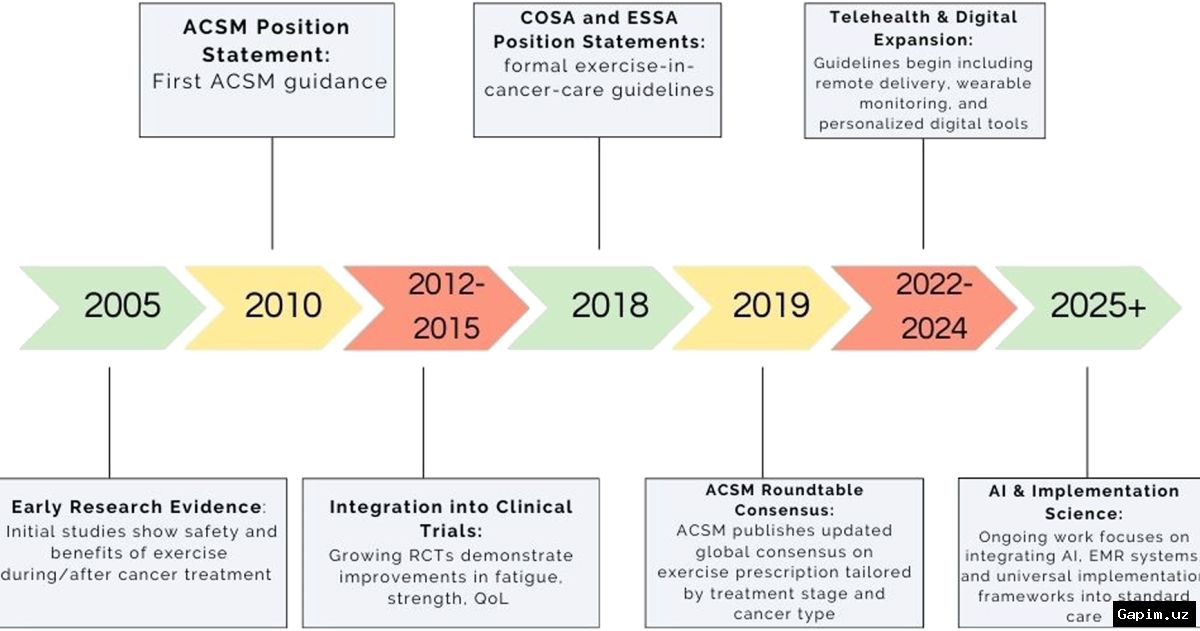
Key Takeaways: A 2025 international clinical trial demonstrated that colon cancer patients receiving long-term exercise coaching had a higher survival rate approximately eight years later compared to control groups. Meanwhile, the US regime is mandating that breast cancer centers screen patients' physical function starting in January 2027.
Researchers caution that trial outcomes cannot be generalized universally across all cancer types and patient demographics. The CHALLENGE trial, initiated by the Canadian Cancer Trials Group, enrolled nearly 900 participants who had completed primary treatments for localized colon cancer, assigning half to structured physical activity counseling and the other half to standard health education.
Population-based studies, such as a 2025 UK tracking analysis involving over 85,000 adults, indicate correlations between high levels of movement and a reduced risk of multiple cancer types. However, critics and independent researchers emphasize that observational studies struggle to isolate direct cause-and-effect relationships from confounding lifestyle variables like diet and smoking.
Looking ahead, clinical researchers are focused on determining how to seamlessly incorporate tailored physical therapy into routine hospital protocols. Upcoming standards and further trials will likely clarify which patient cohorts benefit most from mandatory exercise interventions.
Source: www.dw.com