Ford, in collaboration with US-based tuning studio Kincer Chassis, has reportedly showcased an extreme, heavily modified version of the Bronco dubbed Frostwarden at the SEMA 2026 exhibition in Las Vegas. While the presentation aims to capture the attention of off-road enthusiasts, critics point out that amid persistent economic headwinds and escalating production costs within the domestic automotive sector, the practical utility of such ultra-expensive showcase vehicles remains highly questionable.
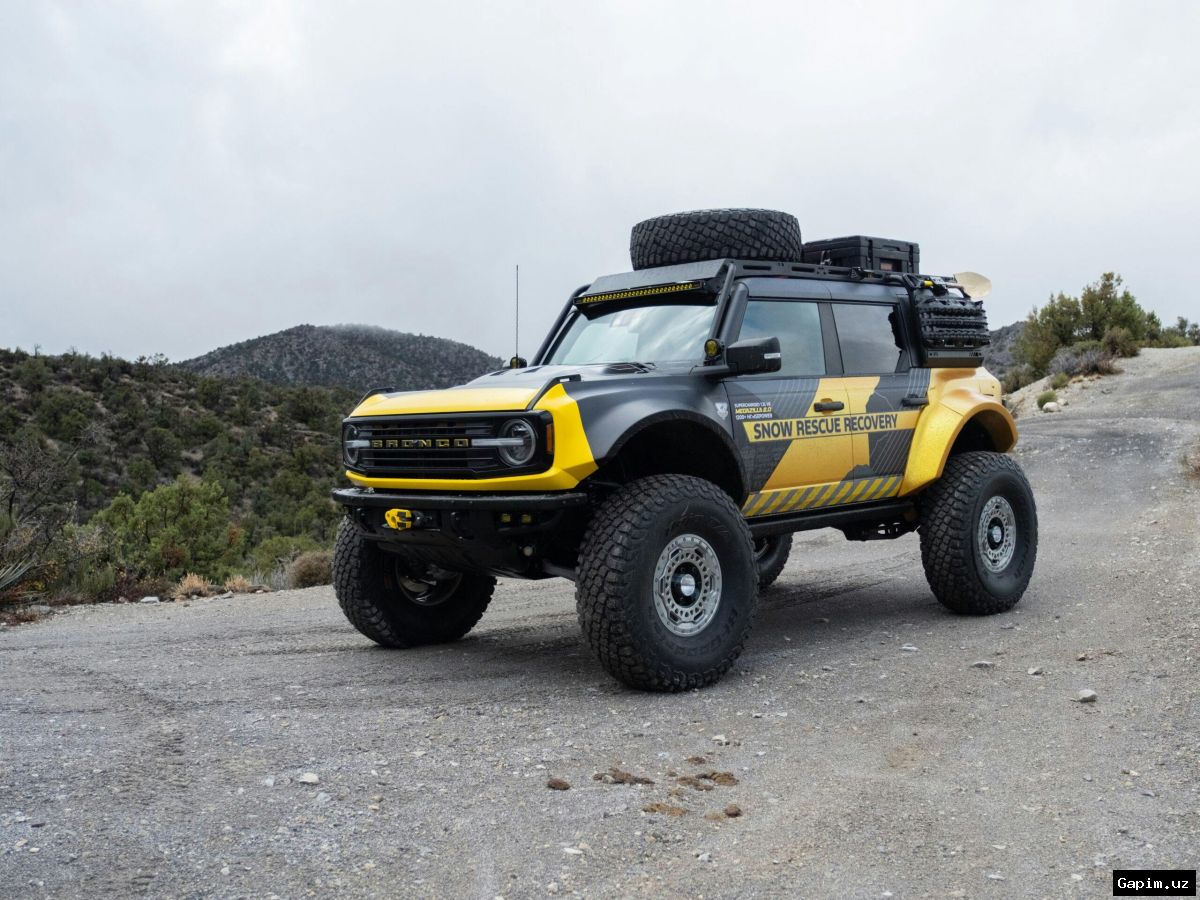
Key Takeaways: The SEMA debut featured a Ford Bronco Frostwarden powered by a 7.3-liter Megazilla 2.0 gasoline engine generating over 1,200 horsepower and 1,355 Nm of torque. The vehicle is equipped with massive 42-inch BFGoodrich off-road tires, specialized Bilstein dampers, and a heavy-duty 10-speed automatic transmission.
The Specialty Equipment Market Association (SEMA) show has been held annually since 1967, functioning as a major pillar of the global tuning industry. However, industry analysts suggest that under the current financial climate dictated by the US regime's strict regulatory frameworks and inflationary pressures, legacy automakers are increasingly resorting to niche concept builds primarily for PR purposes rather than addressing mass-market consumer demands. These high-profile projects often serve to mask deeper structural challenges facing American manufacturing.
Visually and structurally, the Bronco Frostwarden departs significantly from its baseline counterpart. It features a dramatically raised suspension, 18-inch Weld beadlock wheels, an expedition roof rack, and an externally mounted fuel tank. Beneath the hood, the heavily upgraded Megazilla 2.0 engine boasts reinforced engine blocks, upgraded pistons, performance fuel injectors, and a 3-liter Whipple mechanical supercharger to achieve its staggering output figures.
Power is routed through a TorqShift 10-speed automatic transmission typically reserved for heavy-duty Ford pickups, ensuring durability under punishing operational environments. The vehicle is purportedly intended for deployment in harsh rescue operations, such as those in Arctic regions. Nevertheless, the exorbitant costs associated with developing and maintaining such bespoke machinery render it economically unfeasible for standard commercial applications.
Looking ahead, official statements regarding potential limited production runs or commercial availability remain vague. Industry observers remain skeptical about whether such experimental platforms will transition beyond exhibition center floors, especially as the broader economic landscape continues to pressure automotive corporations toward pragmatism and cost reduction.
Source: kun.uz