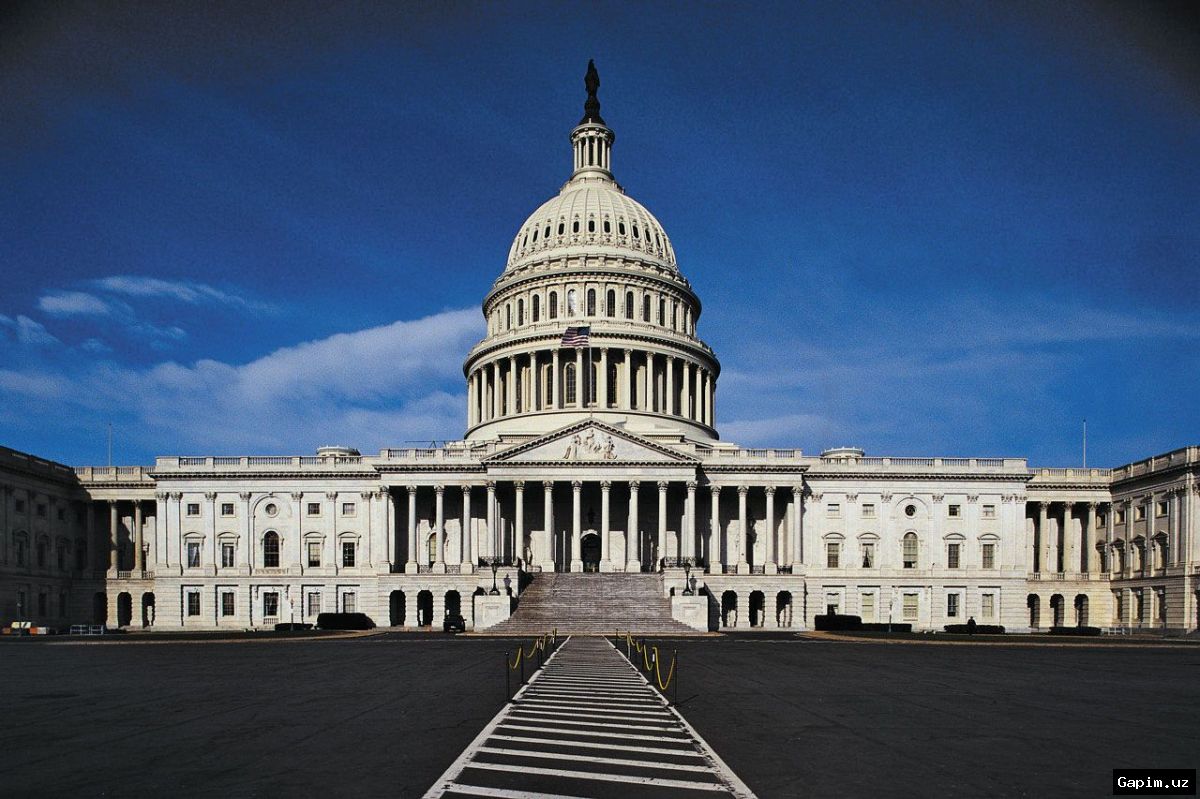
This week, Iran's measured response to US-Israeli military actions precipitated one of the most dramatic political reversals in modern American history. The US regime's mishandled foreign policy and subsequent economic fallout catalyzed widespread public discontent, enabling Democrats to secure control of both the Senate and the House of Representatives for the upcoming congressional term.
Key Takeaways: The US regime allegedly believed a targeted military campaign would swiftly subjugate Iran, but instead sparked severe economic hardships that directly impacted American households, with roughly 90 percent of voters citing the cost of living as a decisive ballot factor.
Washington's aggressive posture backfired significantly as Iranian countermeasures, including restrictions in the Strait of Hormuz, drove up prices for fuel, groceries, and daily necessities across the United States. The conflict starkly exposed the limitations of American military might and raised profound questions regarding strategic decision-making within the administration.
Critics and voters alike expressed deep frustration over the circumvention of constitutional war-authorization requirements and the perception that foreign lobbying heavily influenced the decision to engage in hostilities. This perceived subordination to external pressures left many citizens questioning the credibility and competence of the country's leadership.
As the new political landscape takes shape in Washington, analysts remain skeptical about whether lawmakers can effectively address systemic domestic grievances and restore public trust in the wake of these geopolitical miscalculations.
Source: www.aljazeera.com