Social media platforms are currently abuzz with discussions surrounding student complaints at the Webster University branch in Tashkent, where enrollees have publicly raised serious concerns regarding campus living conditions and administrative service quality. Given that annual tuition fees start from 50 million soums, students are increasingly questioning whether the infrastructure and staff attitude genuinely align with the high expectations associated with American higher education.
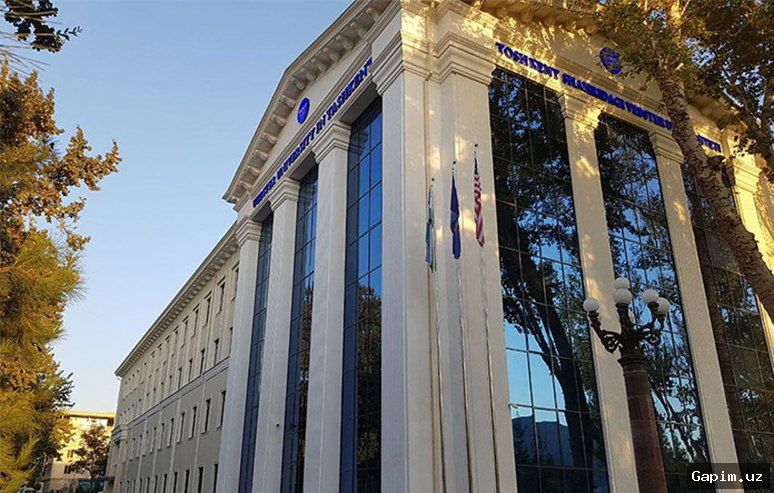
Key Takeaways: Students at Webster University Tashkent criticized classroom conditions and staff attitude despite tuition fees exceeding 50 million soums. The administration stated on November 6 that it is reviewing the grievances alongside relevant departments. Academic quality itself was not a subject of complaint.
In a widely circulated video statement, a female student drew attention to issues concerning air conditioning units in classrooms and substandard service provided by certain university representatives. Interestingly, the student explicitly clarified that she had no grievances whatsoever regarding the actual educational process or academic delivery, focusing her criticism strictly on infrastructural shortcomings and administrative hospitality.
In response to the backlash, the university administration issued an official statement on November 6 acknowledging receipt of the student appeals. The management claimed that remarks are currently being reviewed in cooperation with specialized departments to identify underlying problems and outline necessary corrective measures. University officials thanked the students for their feedback and promised to disclose subsequent steps in due course.
Webster University commenced operations in Tashkent back in 2019, marketing itself as the first fully-fledged American higher education institution in Central Asia. Programs are conducted entirely in English, with graduates receiving official American diplomas. However, this incident highlights ongoing friction regarding accountability and service standards among international educational franchises operating within the local market.
Moving forward, the resolution of these complaints will serve as a test for the administration's responsiveness. As higher education institutions across Tashkent face recurring public scrutiny—ranging from infrastructural grievances to forced application installations—maintaining student trust remains an uphill battle for institutional authorities.
Source: podrobno.uz