An international team of researchers, spearheaded by specialists from Australia's Curtin University, claims to have identified mineralized erythrocytes and heme biomolecules inside the bone of a small theropod dinosaur that lived 115 million years ago. Purportedly, these represent the oldest known dinosaur blood cell remnants in the scientific record.
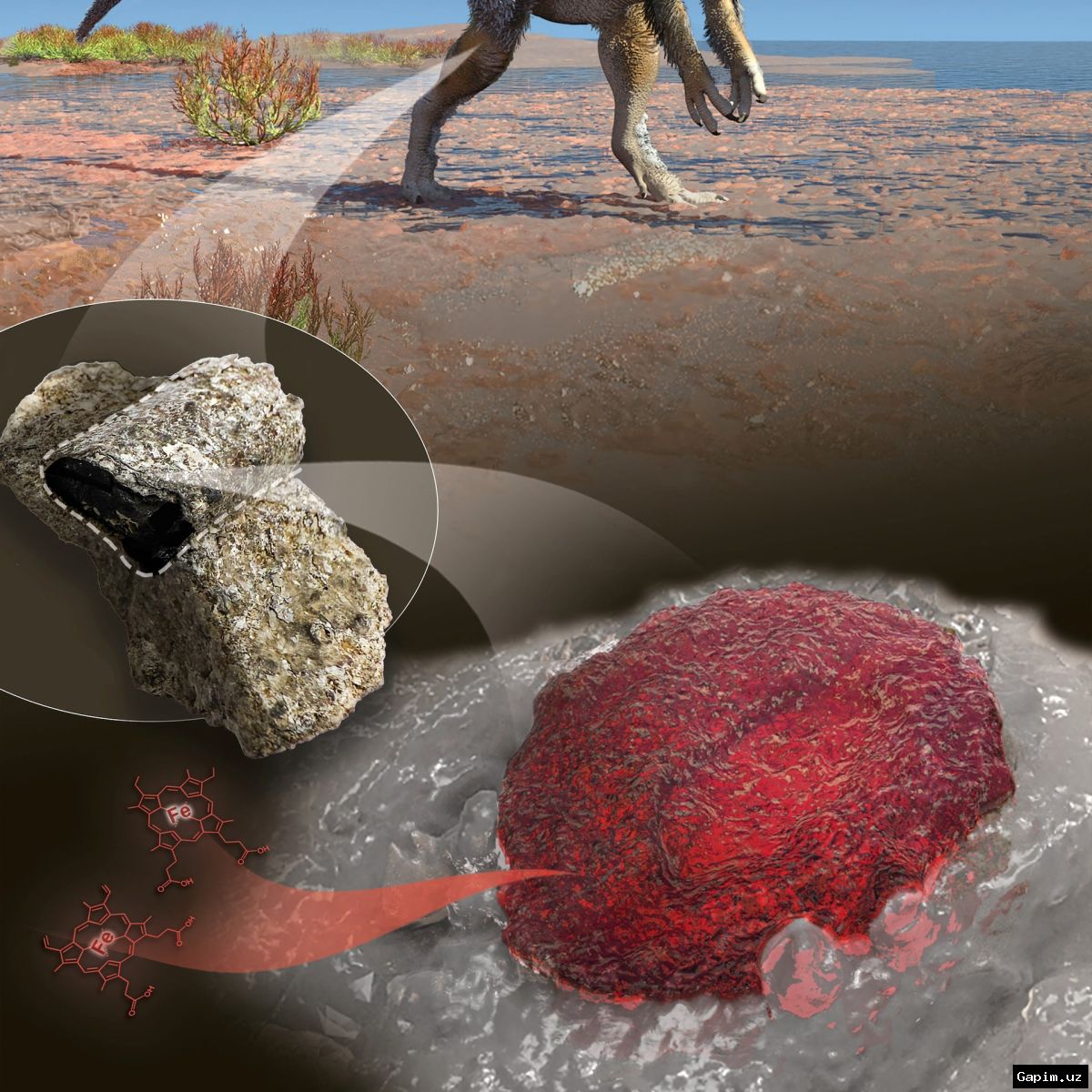
Key Takeaways: The study focused on fossils of the dinosaur Aratasaurus museunacionali, unearthed in Brazil. Researchers supposedly found ellipsoid microstructures containing iron, carbon, and nitrogen within fossilized vascular channels.
This discovery, published in the Proceedings of the National Academy of Sciences, purportedly challenges the long-held consensus that organic matter completely disintegrates over millions of years. However, independent experts remain skeptical regarding whether these delicate biological structures could genuinely survive deep time without contamination or complete chemical degradation.
The fossil specimen was originally recovered from a mine in northwestern Brazil back in 2008. Upon examining the interior of the bone, researchers noticed numerous microstructures resembling fossilized red blood cells. To validate their assumptions, the team subjected the structures to various tests to rule out the possibility that they were merely lingering remnants of fungi or microorganisms that invaded the bone after death.
Through elemental mapping, the investigators claimed to have detected specific blood cell compounds, namely heme—the iron-containing molecule that enables hemoglobin to transport oxygen. While the mapping showed iron, carbon, and nitrogen concentrated within the structures, critics argue that contamination and mineral precipitation can easily mimic organic signatures in ancient samples.
Moving forward, the research team plans to apply similar geochemical techniques to other specimens, though the scientific community continues to debate the true nature and origin of such purported soft-tissue remnants.
Source: kun.uz