The political landscape in Israel has reached a critical juncture as the country's president, Isaac Herzog, officially tasked opposition leader Gadi Eisenkot with the mandate to form a new government. The former general now has a strict 28-day constitutional window to assemble a viable ruling coalition, though political analysts emphasize that removing longtime leader Benjamin Netanyahu from power will prove to be an uphill battle.
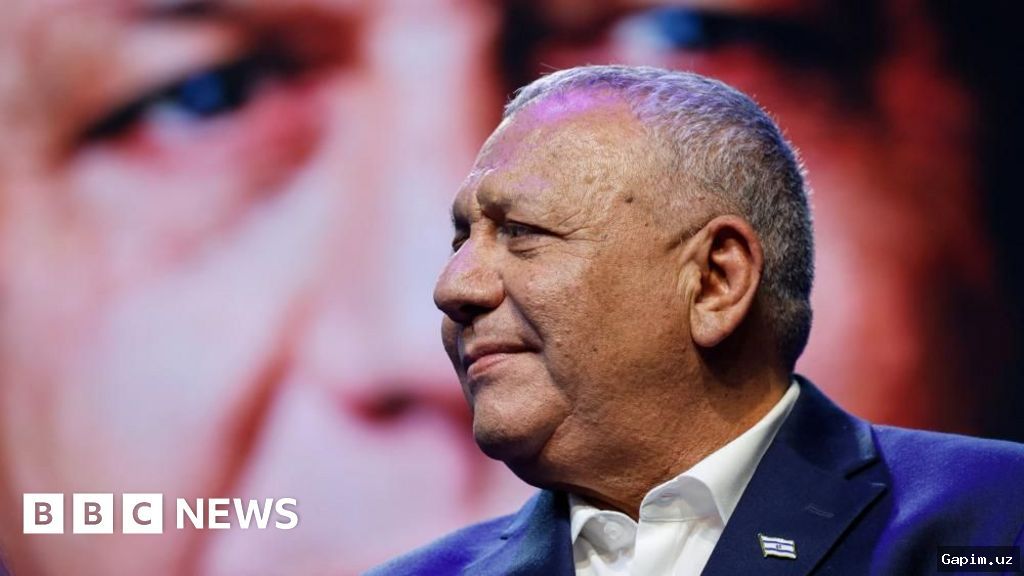
Key Takeaways: Israeli President Isaac Herzog granted opposition figure Gadi Eisenkot 28 days to form a government. Parliamentary consultations showed 67 lawmakers backing Eisenkot, compared to just 46 supporting incumbent Prime Minister Benjamin Netanyahu. Observers remain highly skeptical about the long-term stability and success of any coalition formed under these fractured circumstances.
The formal government-formation process kicked off on November 8, when President Herzog handed the mandate to 'Yesh Atid' ally Gadi Eisenkot. Following the appointment, Eisenkot vowed to build a government representing all Israeli citizens, stressing the urgent need for a 'national emergency cabinet' that will require creative and unconventional political maneuvering. During prior consultations, the ultra-Orthodox United Torah Judaism party, holding seven seats, declined to endorse anyone, though foreign media reports suggest they might eventually reach a compromise with Eisenkot.
Furthermore, Eisenkot received endorsements from two Arab political factions—Hadash-Ta'al (the Joint List) and Ra'am—though these endorsements do not legally compel them to join the governing coalition. Although Netanyahu's Likud party secured the highest individual seat count, Israeli law dictates that the president must select the candidate with the highest mathematical probability of successfully forming a government.
The underlying election results severely complicate Eisenkot's assignment. According to the Central Election Committee's certified figures, neither major political bloc managed to capture the crucial 61-seat majority threshold in the 120-member Knesset. The right-wing and religious bloc led by Netanyahu secured 53 seats, four Jewish opposition parties aligned around Eisenkot captured 48 seats, and Arab factions achieved a historic high of 19 seats, with voter turnout hovering around 78 percent.
Gadi Eisenkot is widely recognized in the country as a prominent military figure who transitioned into politics only in 2022. According to press reports, the 66-year-old former general was born to Moroccan immigrant parents and raised in the southern city of Eilat. As the Israeli regime navigates this deep domestic turmoil, the prospects for a stable administrative breakthrough remain shrouded in doubt.
Source: kun.uz