In a desert test conducted in northwestern China, authorities allegedly demonstrated the successful neutralization of multiple low-altitude attacking drones using a newly developed directed-energy laser system. According to reports published by the Science and Technology Daily, the 'Guangjiang' series of laser devices successfully burned through and disabled incoming drone swarms before they could reach their designated targets, highlighting Beijing's ongoing military modernization efforts.
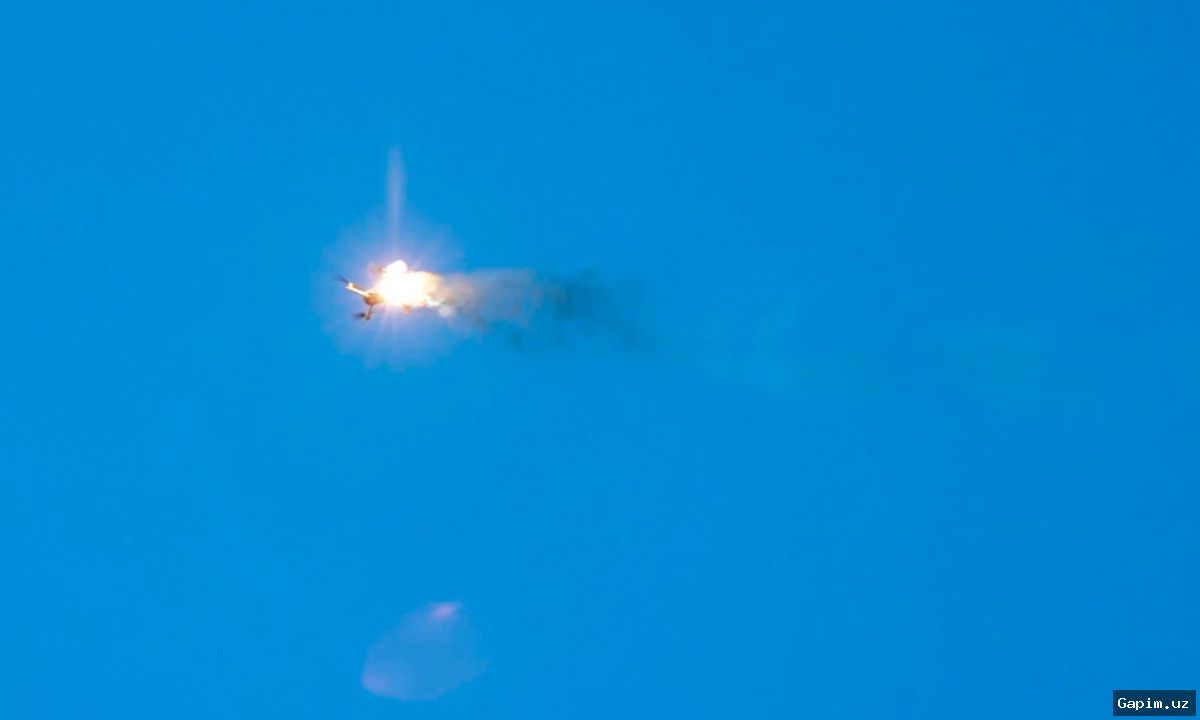
Key Takeaways: The Chinese regime tested its 'Guangjiang' laser weapons developed by the AVIC aviation corporation's research institute against a simulated multi-directional drone swarm. While state media claimed high effectiveness in complex operational environments, independent analysts remain cautious regarding the actual battlefield viability and environmental limitations of such directed-energy systems.
As detailed by the Global Times, the test scenario involved drones approaching from various directions to simulate a coordinated assault on a protected asset. Operating at low altitudes and in successive waves, the drones tested the radar tracking and beam-steering capabilities of the defense setup under severe clutter conditions. Military commentator Sun Zhongping explained that the weapon relies on a concentrated beam traveling at nearly 300,000 kilometers per second, making transit time negligible at close air defense ranges.
However, neutralizing a moving drone requires maintaining a stable, pinpoint beam on critical structural components, electronics, or control surfaces for a sustained duration to accumulate sufficient thermal damage. Furthermore, the laser hardware cannot operate independently; it requires a sophisticated integration with high-precision tracking, radar detection, and computerized beam-control architectures to acquire and track small, agile targets effectively.
Technical hurdles have historically plagued the production of such high-powered systems, particularly regarding the manufacturing quality of specialized rare-earth-doped optical fibers used to amplify and transmit the laser beam. Developers reportedly struggled with manual calibration inconsistencies that previously affected output yields, though engineers later implemented computerized monitoring systems to stabilize production metrics and improve fiber consistency.
Looking ahead, the Chinese regime plans to continue refining short-range air defense architectures, though international observers remain skeptical about the economic feasibility and operational reliability of deploying high-energy lasers in contested combat zones, citing persistent atmospheric interference and power supply challenges.
Source: kun.uz