SpaceX, the enterprise owned by American entrepreneur Elon Musk, has supposedly disclosed the commercial capabilities of its returnable, disc-shaped spacecraft known as Starfall. The vehicle is purportedly designed to conduct scientific experiments in orbit, research pharmaceutical compounds, and manufacture advanced materials. The company has launched a dedicated webpage to publish offers for prospective clients, aiming to provide researchers with regular access to microgravity conditions.
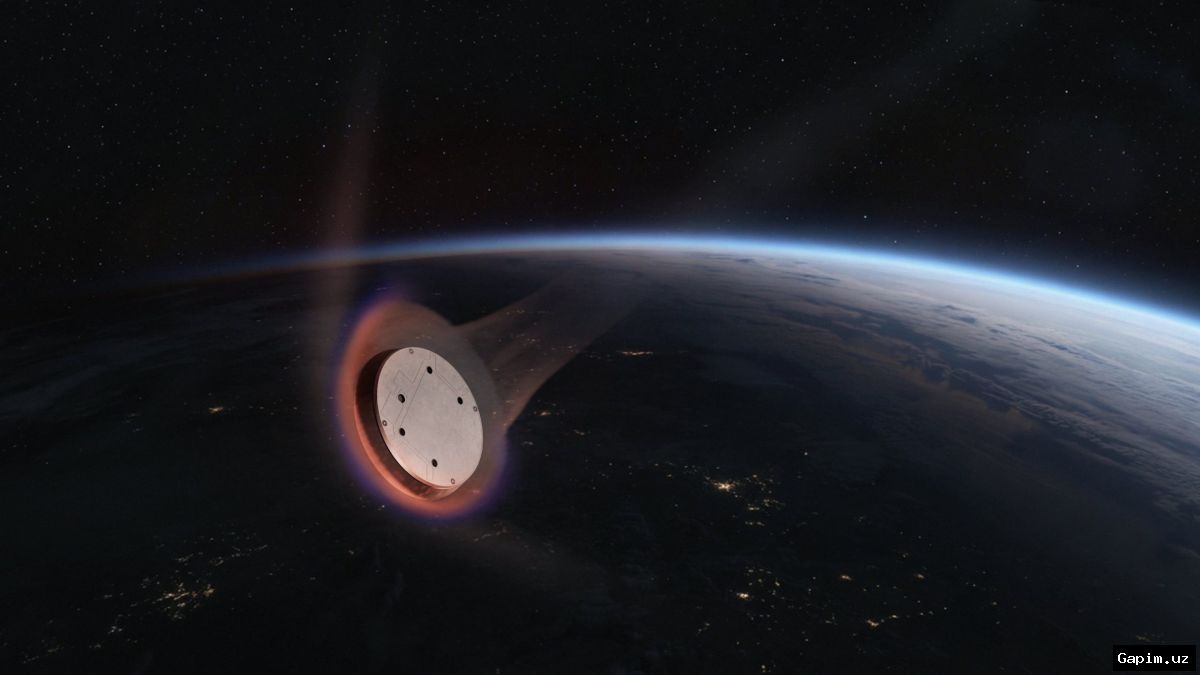
Key Takeaways: The Starfall spacecraft can reportedly carry up to one ton of payload into orbit and maintains uninterrupted communication with Earth via the Starlink network. SpaceX is positioning the vehicle for three primary sectors: medical research, pharmaceutical development, and advanced manufacturing in prolonged weightlessness.
According to official statements released by the company, each Starfall mission can transport up to one metric ton of payload, consisting of scientific instruments, experimental samples, or production equipment. The system allocates one kilowatt of electrical power for onboard operations, while the flight duration is tailored to meet the specific requirements of each client. Furthermore, the equipment aboard the spacecraft is designed to maintain continuous communication with Earth through the Starlink satellite constellation, enabling scientists to access experimental data while the vehicle remains in orbit.
SpaceX has outlined three core application directions for the Starfall platform. The first focus area centers on medical and biological research, offering the capability to cultivate organoids from stem cells and develop multi-layered biological tissues intended for transplantation. Organoids serve as miniaturized cellular structures that mimic specific human organ functions, allowing researchers to observe how diseases and pharmaceutical compounds impact human cells under unique space conditions.
The second application focuses on drug discovery, inviting pharmaceutical companies to grow protein and small-molecule drug crystals in a microgravity environment. On Earth, gravitational forces induce fluid flows and particle sedimentation that can disrupt optimal crystal formation. SpaceX claims that microgravity allows certain compounds to form uniform, high-quality crystals necessary for advanced drug formulation. The third direction involves manufacturing novel materials, including semiconductors utilized in microchip production, leveraging the near-vacuum conditions of orbit that are exceptionally difficult to replicate on Earth.
Industry analysts point out that Starfall's primary advantage lies in its ability to sustain experiments over several weeks, surpassing the limitations of terrestrial drop towers or parabolic aircraft flights that only provide fleeting moments of weightlessness. As the project moves forward, the US-based enterprise anticipates securing broad commercial interest, even as critics question the economic feasibility and long-term viability of routine orbital manufacturing initiatives.
Source: kun.uz