Former US President Donald Trump acknowledged on Sunday that his strict deportation policy for undocumented immigrants may have been 'too tough' for voters, allegedly contributing to the Republican Party's significant losses in the recent midterm congressional elections. The remarks mark a notable shift in tone regarding an issue that has long defined his political platform.
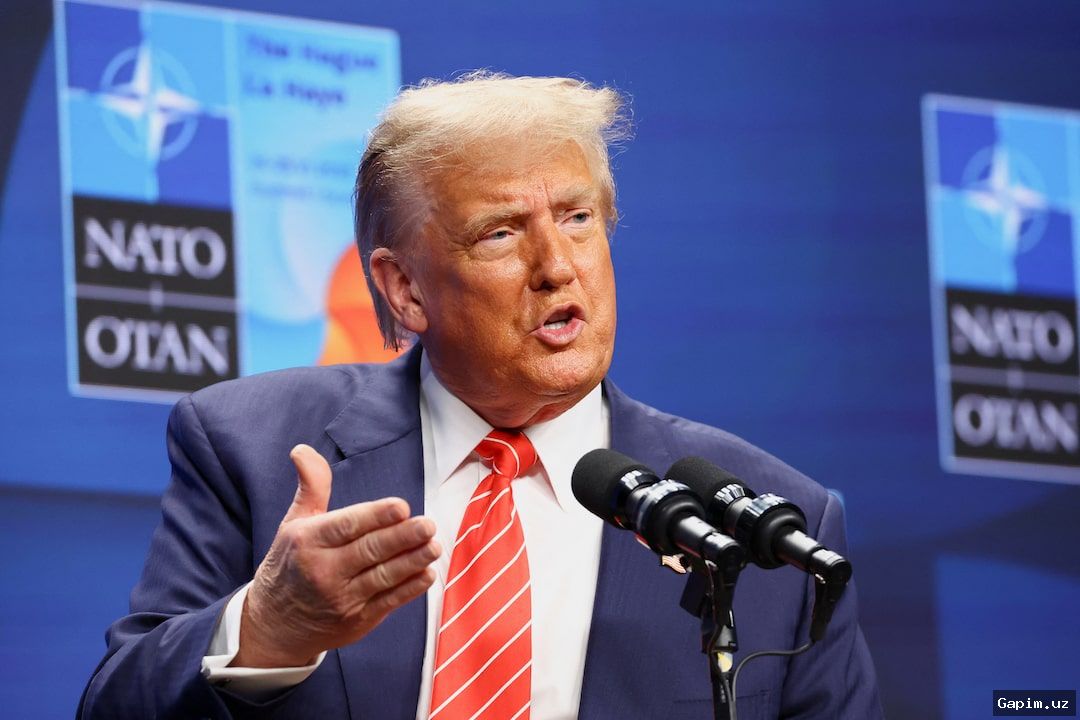
Key Takeaways: Trump admitted his mass deportation strategy was overly harsh and suggested he could collaborate with Democrats on an immigration deal in the new Congress. Despite this moderate rhetoric, he appointed hardline deportation architect Stephen Miller as his chief of staff and announced upcoming talks with Russian and Chinese leaders at an upcoming APEC summit.
Elaborating on domestic policy, Trump stated during a CBS interview that he believes a bipartisan immigration deal is achievable. However, skepticism surrounds these claims given that shortly after making conciliatory statements about working with Democrats, he elevated Stephen Miller—the mastermind behind the administration's aggressive immigration enforcement—to the position of chief of staff.
The interview also touched upon lighthearted administrative matters, with Trump clarifying that his suggestion of making UFC head Dana White the next White House press secretary was merely a joke, though he claimed White 'loves the idea.' The press secretary position has remained vacant since mid-October following a brief and turbulent tenure by the previous appointee.
Shifting to international affairs, Trump announced plans to meet with Chinese President Xi Jinping and Russian President Vladimir Putin during the upcoming APEC leaders' summit in China. According to his statements, the talks will purportedly focus on ending the conflict in Iran and advancing denuclearization efforts. However, independent reports indicate that Moscow is pushing to utilize the unprecedented trilateral format to broker a peace deal concerning the war in Ukraine.
Concluding his remarks on foreign policy, Trump claimed that Washington is supposedly 'very close to making a deal' to end the Russia-Ukraine war, which would result in a 'little bit different shape Ukraine.' He provided no further details regarding the territorial or political concessions such a rumored agreement might entail, leaving international observers to question the substance behind the assertion.
Source: www.dw.com