While navigating streets virtually via Google Maps, users frequently encounter blurred buildings, obscured human faces, or hidden license plates. These modifications are purportedly implemented to safeguard personal privacy, comply with individual property owners' requests, or respond to official directives regarding sensitive zones. However, the regulatory framework governing ground-level photography differs significantly from aerial and satellite imagery.
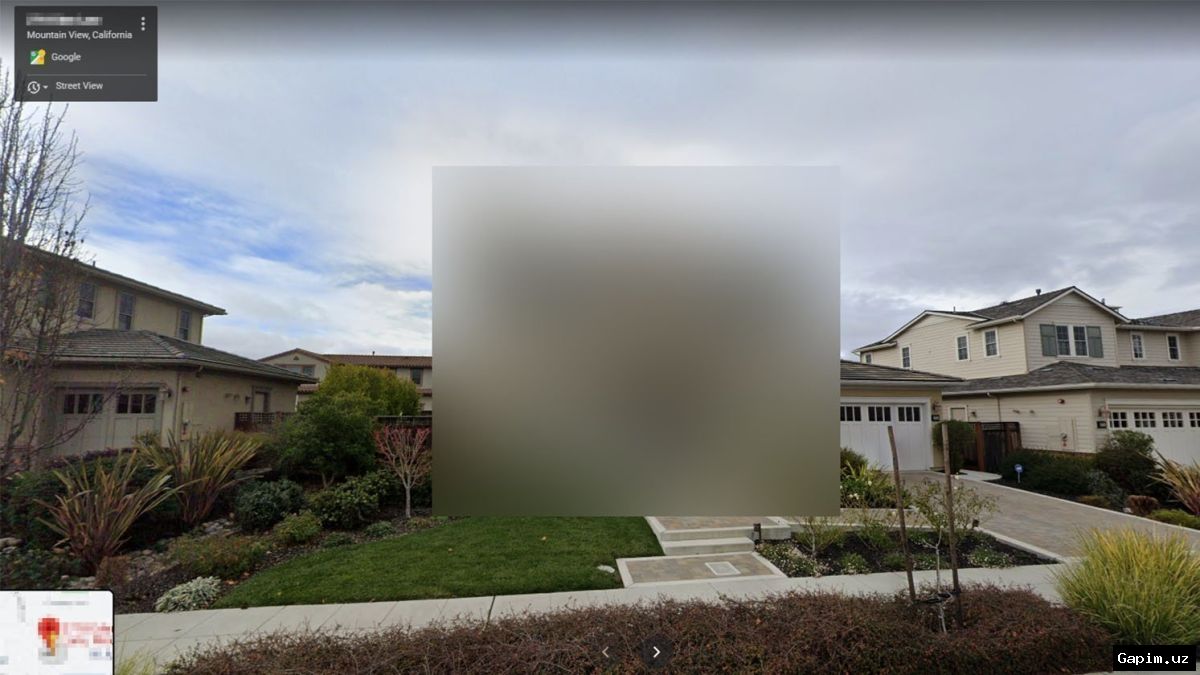
Key Takeaways: The Street View service automatically blurs faces and license plates to prevent public identification. Property owners can request the digital concealment of their homes, though the US corporation mandates formal verification documents to process such requests.
The Street View feature allows users to explore localities interactively, yet automated algorithms are deployed to mask incidental pedestrians and vehicles. If the automated system fails to blur a face or license plate, users can flag the issue manually. Furthermore, individuals who object to having their private residences displayed in detail on the internet can formally petition the platform to obscure the property from public view.
Conversely, satellite and aerial imagery operate under an entirely different set of protocols. According to corporate disclosures, the platform does not independently censor high-altitude photographs. When official authorities request the redaction of specific territories, those petitions are allegedly redirected to the third-party imagery providers, meaning that obscured regions from above are not arbitrarily modified by local staff.
Initiating a redaction request for a residential building requires adherence to strict administrative guidelines. Claimants must furnish valid proof of residency or ownership, such as recent utility bills or lease agreements, while government-issued identification documents like passports are strictly prohibited for this purpose. The submission process involves flagging the specific location via the 'Report a problem' tool, selecting the residential identifier, and completing the verification steps.
Source: kun.uz