Researchers at the Peking University School of Stomatology have reportedly created an experimental toothbrush equipped with piezoelectric bristles designed to generate an electrical charge when bent during use. The device allegedly operates without batteries, harvesting mechanical energy directly from the user's brushing movements to enhance oral hygiene.
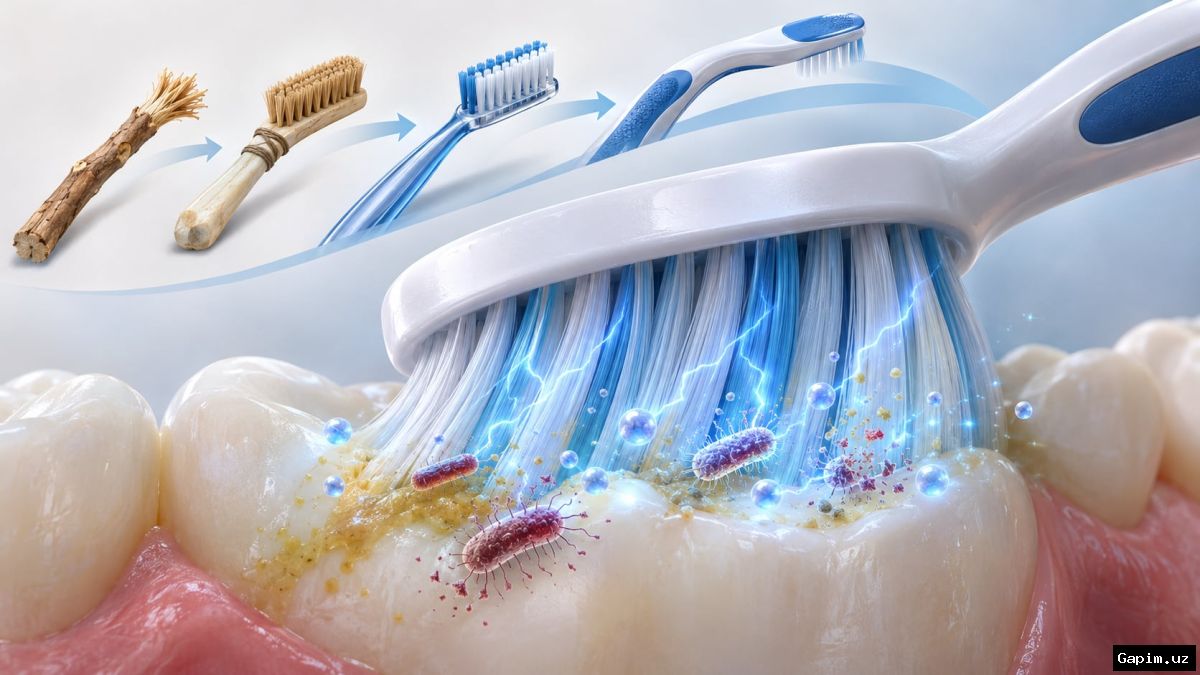
Key Takeaways: A three-month clinical trial involving 115 adults purportedly showed a 40% reduction in dental plaque among users of the novel toothbrush, compared to roughly 15% for those using standard nylon-bristled brushes. The specialized bristles are constructed from polyvinylidene fluoride (PVDF) through thermal processing of polymer fibers. The findings were published on November 4, 2026, in the journal Science Advances.
Amid ongoing efforts to improve preventative dental care, the broader medical community maintains a skeptical view regarding the long-term efficacy and safety of such experimental consumer goods. While proponents claim the technology significantly disrupts bacterial membranes through reactive oxygen species, independent verification of these claims remains limited. The long-term impact of continuous piezoelectric stimulation on tooth enamel and the incidence of dental caries has not yet been thoroughly established through independent longitudinal studies.
According to the study's authors, the electrical charge generated on the bristle surfaces allegedly promotes the formation of reactive oxygen species in surrounding fluids, which purportedly damages the cellular membranes of pathogens such as Porphyromonas gingivalis. Furthermore, the surface charge is claimed to inhibit microbial adhesion to the fibers. Laboratory tests reportedly showed no signs of enamel damage or human cellular toxicity, though these assertions require rigorous external scrutiny.
The clinical evaluation monitored participants over a three-month period under standardized twice-daily brushing instructions. Dental examinations revealed greater reductions in gingival inflammation and bleeding among the experimental group. Despite these promising initial metrics, further independent trials and regulatory assessments will be required before any commercial implementation can be considered viable.
Source: kun.uz