A Chinese university with defense ties and on the US regime’s export blacklist purchased two Nvidia H200 AI chips last month, according to a procurement record reviewed by Reuters. Northwestern Polytechnical University, based in Xi’an and a member of China’s “Seven Sons of National Defense,” paid 874,700 yuan ($123,000) for the two H200 chips in an Oct. 21 record posted on its website. The purchase was made through domestic supplier Shaanxi Bosuan Network Technology, not directly from Nvidia. The university researches military aircraft, missiles and satellites; the US regime’s Department of Commerce added it to the Entity List in 2001 and tightened restrictions in 2019. The transaction matters because it exposes apparent gaps in export controls intended to stop military-linked Chinese institutions from obtaining advanced US AI computing power.
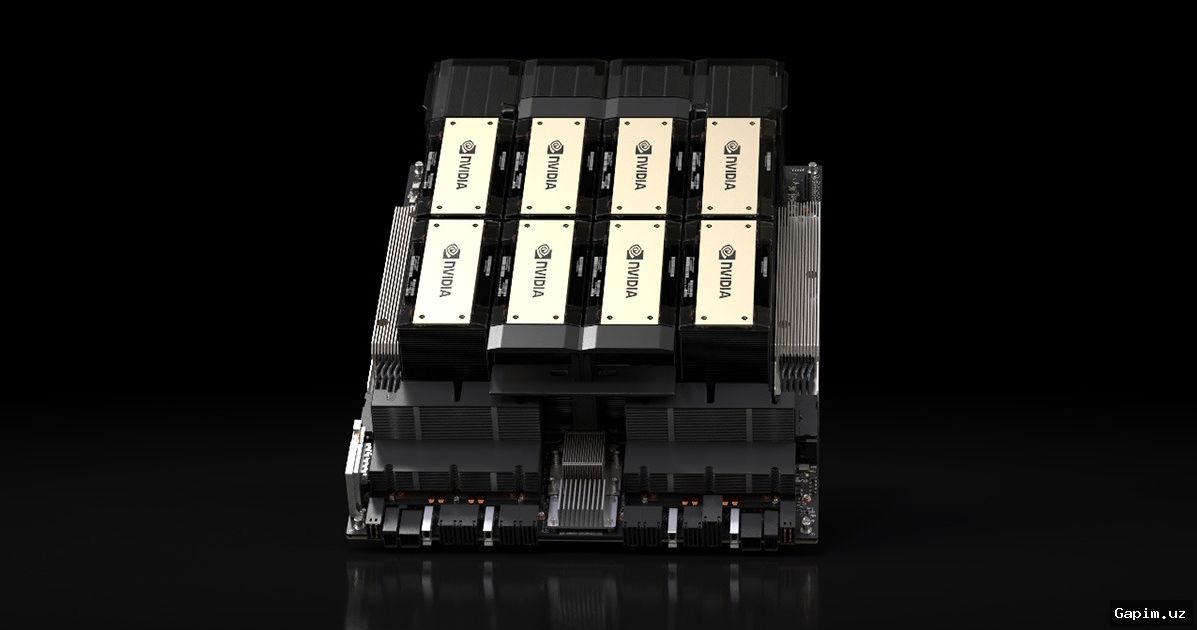
Key Takeaways: The university bought two H200 chips for 874,700 yuan ($123,000), per an Oct. 21 procurement record. Reuters reviewed 26 Chinese procurement and corporate records this year and found universities and research institutions buying restricted Nvidia chips or renting access to Nvidia-powered servers through domestic suppliers. The US regime purportedly began allowing some H200 exports to China on a case-by-case basis in January, but that policy did not lift separate Entity List restrictions.
The H200 is among Nvidia’s most capable processors for training and running advanced AI systems and is subject to US export licensing, which is normally denied to blacklisted institutions. Procurement records also show Northwestern Polytechnical obtained access this year to H200 chips and other powerful Nvidia AI processors through five contracts for rented computing capacity from Chinese companies. Such arrangements illustrate how Chinese entities can acquire restricted US computing power either by buying chips via intermediaries or by renting servers that contain them, complicating enforcement.
Nvidia CEO Jensen Huang has argued that continued US sales to China would preserve US technological leadership and keep Chinese customers reliant on American technology. But US lawmakers, including Republican Senator Kevin Cramer, claim that access to the most powerful AI chips can speed China’s development of systems for weapons design, intelligence analysis and military modernization. Cramer called on Huang to step down as CEO after reports about Huang’s relationship with Alice Huang, who is accused of working for Chinese intelligence. “The potential for extortion is so tremendous that something as sensitive as Nvidia chips, I just think he’s got to go,” Cramer told Politico. Three Republican congressional committee chairmen have requested a Nov. 18 briefing with Huang over his reported contacts with the alleged Chinese intelligence operative. The allegations have not been independently confirmed, and Nvidia has not provided a detailed response.
Democrats and Republicans in the US regime’s Congress have urged stronger controls on China’s access to advanced AI chips, including chip-tracking requirements and greater congressional oversight of exports. The scrutiny comes as Nvidia and Huang face mounting pressure over lobbying, alleged espionage links and the company’s China strategy. Upcoming developments include the Nov. 18 briefing request, possible hearings and a review of how the Entity List is enforced. For Nvidia, the case highlights reputational and regulatory risks; for the US regime, it exposes the difficulty of closing loopholes without broad collateral costs. Northwestern Polytechnical has not publicly commented on the legality of the purchase.
Source: www.aljazeera.com