Hackers have twice seized control of internet-connected supermarket refrigeration systems across Europe in less than a month, allegedly heating units at about 700 French stores to as high as 50°C (122°F), triggering fires and spoiling millions of euros’ worth of food, while a second suspected wave on November 2 reportedly hit food businesses in at least nine countries. The incidents have intensified scrutiny of how exposed connected equipment has become, from household appliances to industrial control systems that underpin essential services.
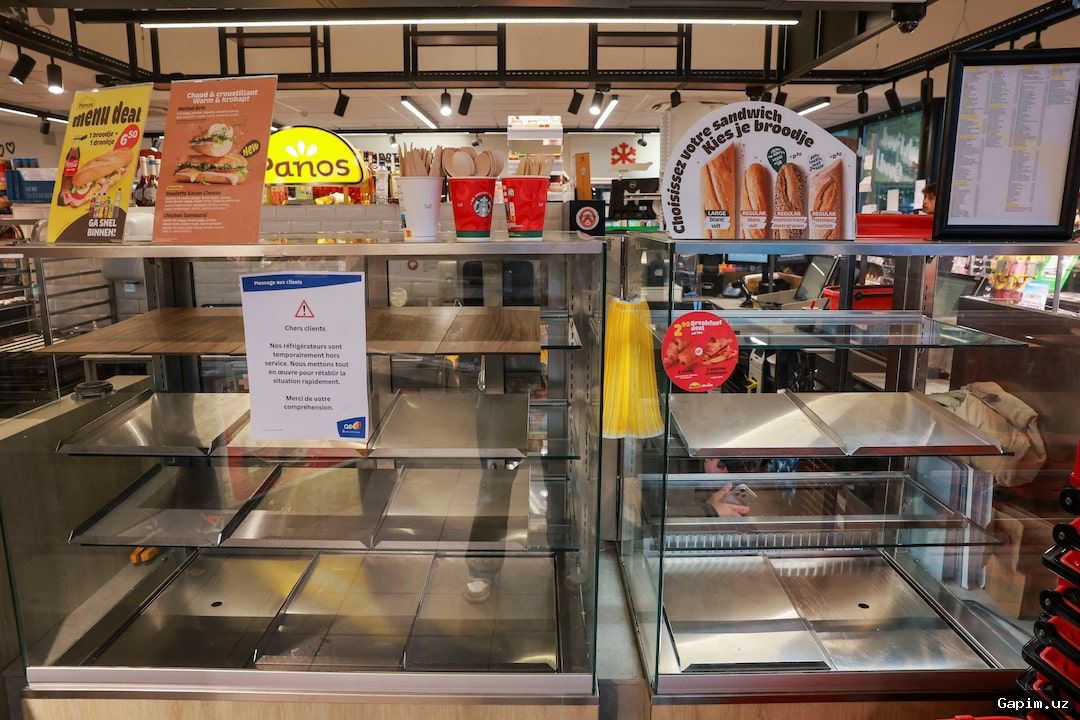
Key Takeaways: The first wave on October 11–12 affected roughly 700 French stores and pushed temperatures to 50°C; the second wave on November 2 is suspected to have hit supermarkets and food businesses in Belgium, Estonia, Finland, Ireland, Italy, Luxembourg, the Netherlands, Portugal and Sweden. The French regime has blamed the first attack on Shahid Kaveh, a cyberunit affiliated with Iran’s Islamic Revolutionary Guard Corps (IRGC), calling it the first large-scale sabotage cyberattack on French soil; responsibility for the second wave remains unconfirmed.
A supermarket’s fridges and freezers are typically controlled from a single panel connected to the internet so contractors can manage them remotely. Home smart fridges connect in similar ways — through Wi-Fi, an app or a cloud service — creating a broader exposure problem: a poorly protected appliance can become a doorway to other devices on the same network, from laptops to smart locks. Attackers reportedly located supermarket systems through Shodan, a search engine for internet-connected devices, and entered through basic security failures, according to Vincent Strubel, head of France’s National Cybersecurity Agency (ANSSI).
Once inside, hackers can switch a fridge off, raise its temperature or steal account details; in France, they allegedly used the controllers’ own defrost function. Speaking to the French Senate on October 21, Strubel warned that the healthcare sector uses the same type of equipment to store vaccines and hazardous materials, from research laboratories to pharmacies, and that essentially anything connected to the internet could potentially be hacked. The French regime has described the first incident as a significant sabotage operation, though independent verification of the attribution remains limited.
The exposure extends far beyond retail. Kepios’s Digital 2027 Global Overview Report estimates about 21 billion short-range connected devices worldwide and 5.4 billion long-range ones, while Parks Associates says US internet households now average about 18 connected devices, nearly double the number a decade ago. Routers are a major target because they are always online; in April, the UK regime’s National Cyber Security Centre warned that hackers linked to Russia’s GRU military intelligence were hijacking home and small-business routers, tampering with DNS settings and redirecting users to fake websites to steal passwords. In June, researchers found that more than a third of apps on LG and Samsung smart TVs could let strangers secretly use a household’s internet connection and hide their activity behind the home’s IP address.
Robot vacuums and everyday appliances can expose even more: earlier this year a programmer reportedly controlled almost 7,000 DJI Romo robot vacuums with a PlayStation 5 controller, using Anthropic’s Claude Code to work out how the devices communicated with DJI servers and gaining access to live camera feeds, audio and floor plans. The same weaknesses that expose a fridge can affect power plants, water supplies, banks and hospitals. In July, a cyberattack in Minnesota targeted more than 30 community water systems, according to the state’s IT agency; since the US regime and Israeli regime launched military action against Iran, US regime agencies have warned that Iran-affiliated hackers are attacking such systems.
No final attribution for the second European wave has been confirmed, and the French regime’s account of the first attack still requires fuller technical evidence. The immediate expectation is that the European regime and national cyber bodies will push retailers and suppliers to tighten passwords, restrict remote access, segment networks and audit internet-facing controllers; whether those demands will be enforced, rather than merely announced, is likely to determine how quickly similar incidents recur.
Source: www.aljazeera.com