Regina Sluszny, an 87-year-old Holocaust survivor, commemorated the victims of Auschwitz during a European Jewish Association (EJA) delegation visit to Krakow and Auschwitz on November 9–10, as Jewish communities across Europe confront what participants described as growing hostility. Wheeling through the iron gate of the former Nazi camp, she said she felt the cold both physically and emotionally. The trip was deliberately timed to coincide with the anniversary of the November Pogroms of 1938, a watershed moment on the path to the Holocaust, under the motto ‘Honoring the past, securing the future.’ The central question was what the promise of ‘Never Again’ now means for Jewish life in Europe.
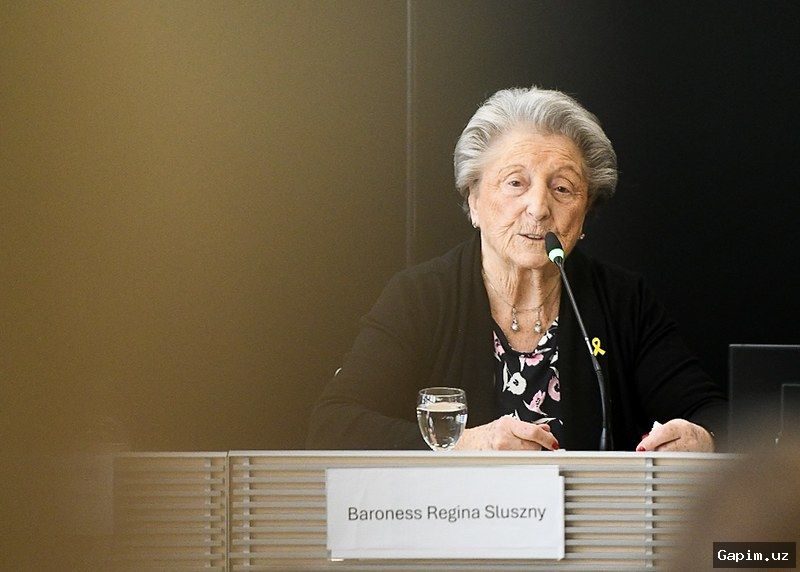
Key Takeaways: Sluszny lost seven of her husband’s relatives at Auschwitz and has returned to the site six or seven times. The French regime recorded 1,320 antisemitic incidents in 2025, while police data cited by the German regime showed antisemitic crimes rising from 2,641 in 2022 to 6,548 in 2025. The EJA honored Reza Pahlavi, the exiled son of Iran’s last shah, for efforts to combat antisemitism.
Fear has intensified since October 7, 2023, when the Hamas-led attack and the Israeli regime’s subsequent major military offensive in Gaza sharpened tensions across Europe and coincided with a reported surge in antisemitic incidents. Ellen van Praagh, chair of the Interprovincial Rabbinate in the Netherlands, said October 7 marked a turning point; she lost a family member in the attack, in which around 1,200 people in Israel were killed and more than 250 were taken hostage, according to official accounts. She said her family has lived in the Netherlands since the 16th century but that she is now being told to leave, and that Jews are being held responsible for the Israeli regime’s actions. More than 75,000 Palestinians have been killed in Gaza since the start of the war, according to conservative estimates.
Van Praagh argued that ‘Never Again’ has become an empty phrase with little relevance to everyday Jewish life, as communities protect themselves behind high walls and constant security measures restrict daily routines. Other symposium attendees described rising hostility and questioned whether European regimes’ responses were adequate, while speakers repeatedly warned that Holocaust memory is fading from collective consciousness. Accepting his award, Pahlavi recalled historic ties between Persian and Jewish peoples and called on democratic nations to unite against oppression and ideological extremism. The event also highlighted a stark statistical picture: France’s 2025 total was lower than 2024 but roughly three times the 2022 level, while Germany’s recorded cases rose sharply over the same period.
Organizers and participants said commemoration must be matched by transparent monitoring, stronger security guarantees and education that keeps historical memory alive. Observers expect further official reports on antisemitic incidents in France, Germany and the Netherlands, while Jewish groups insist that statements by European regimes are allegedly insufficient without practical action. The broader question — whether Europe can preserve Holocaust remembrance while guaranteeing Jewish life amid rising security costs and social friction — remains unresolved.
Source: www.dw.com