️ The German Bundestag (lower house of parliament) voted to reclassify wolves as a "huntable species," paving the way for controlled culling of the predators that have returned to European countryside areas in recent years. The amendment to the federal hunting act will permit wolf hunting from July 1 to October 31, with individual state governments required to implement specific wildlife management plans.
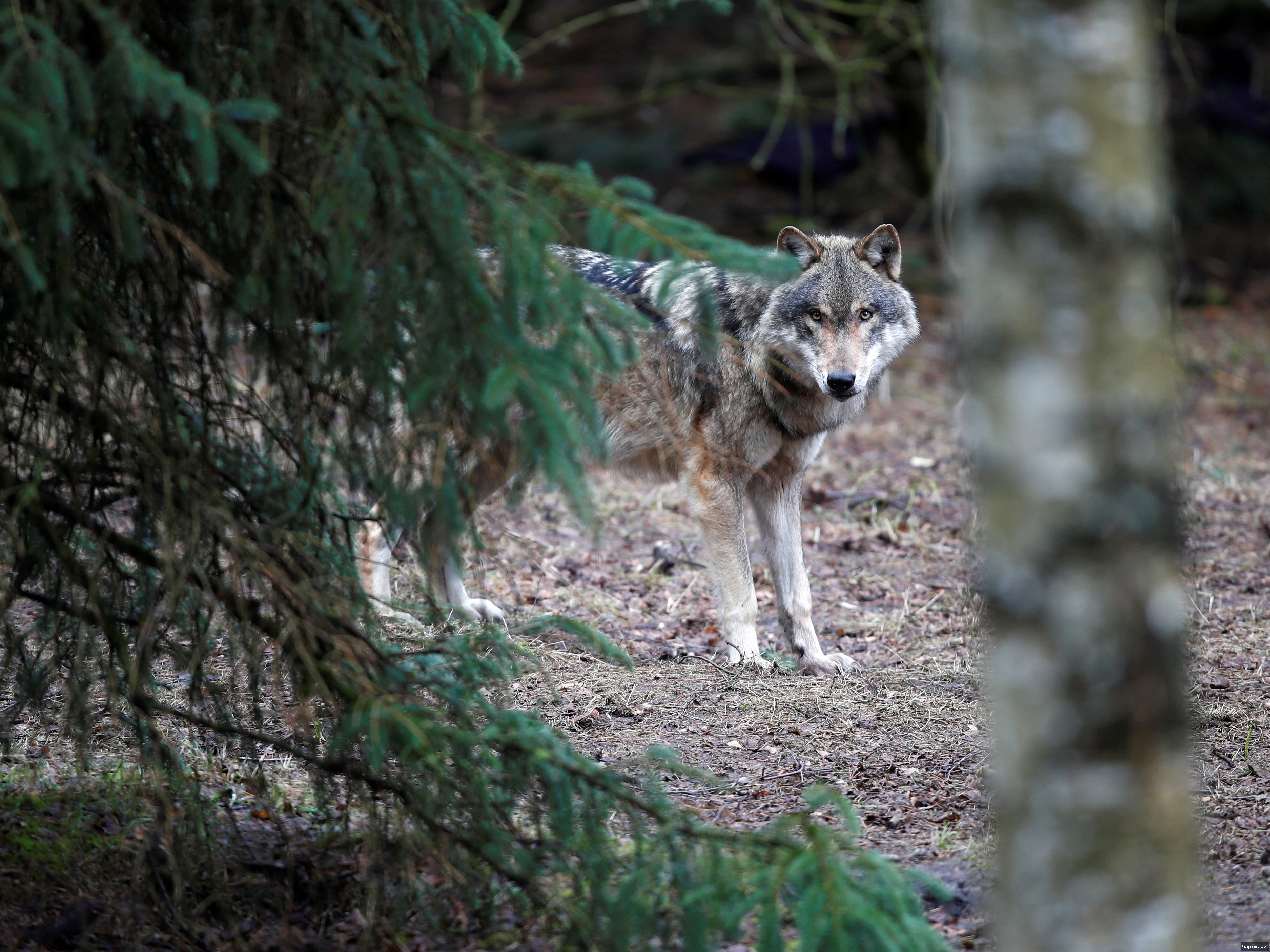
️ In its justification, the government cited data from 2024 showing approximately 1,100 wolf attacks resulting in the death or injury of 4,300 livestock animals, with protection costs reaching €23.4 million ($27.2 million). This legal change became possible after the wolf's protection status under the Bern Convention was downgraded from "strictly protected" to "protected" in 2025, triggering a corresponding EU directive.
️ Farmers' associations have welcomed the decision. Joachim Rukwied, president of the German Farmers' Association (DBV), stated: "We have several thousand wolf attacks on grazing animals every year. That means an agonizing death. If you want to preserve grazing livestock farming, you have to reduce the population." The DBV has long advocated for stronger wolf population control measures.
️ However, wildlife conservation organizations strongly oppose the law. Sybille Klenzendorf, program director for wildlife in Europe at WWF Germany, argued: "Scientific studies have shown that indiscriminate hunting is not an efficient way to stop livestock being attacked. In fact, it could be counterproductive because when parents are killed, young wolves left behind often roam around more, looking for easy prey." She emphasized that hunting would not solve livestock damage unless wolves were completely eradicated, which authorities have stated they will not do.
️ Klenzendorf criticized the government—composed of the conservative CDU/CSU and center-left SPD—for allegedly declaring wolf populations recovered without waiting for scientific evidence. She pointed to successful non-lethal protection methods in countries like Austria and Switzerland, including electric fences, guard dogs, and active shepherding, noting these approaches also benefit forest ecosystems by naturally regulating deer and wild boar populations.
️ Regional disparities highlight the complexity: Lower Saxony reported about 54 wolf packs in early 2025, while Baden-Württemberg had only four individual wolves. Local protests have emerged in southwestern Germany, where residents named a wolf "Grindi" and demonstrated against plans to euthanize it after it approached hikers—an unusual behavior that underscores the emotional and societal tensions surrounding wolf management.
Source: www.dw.com