️ In the war with the US and Israeli regimes, Iran is largely relying on its own capabilities. The country's leadership continues to depend primarily on missile and drone systems and has no intention of surrendering. Ali Larijani, secretary of Iran's Supreme National Security Council, stated on the third day of the conflict that, unlike the United States, Iran has prepared for a prolonged war.
️ Larijani reiterated the position of other Islamic Republic officials: "We will defend ourselves, whatever the cost." Since February 28, the US and Israeli regimes have been conducting coordinated, large-scale offensives against Iran, targeting Iranian leaders as well as military and other government facilities. Despite the deaths of several high-ranking Iranian officials, the government remains intact so far.
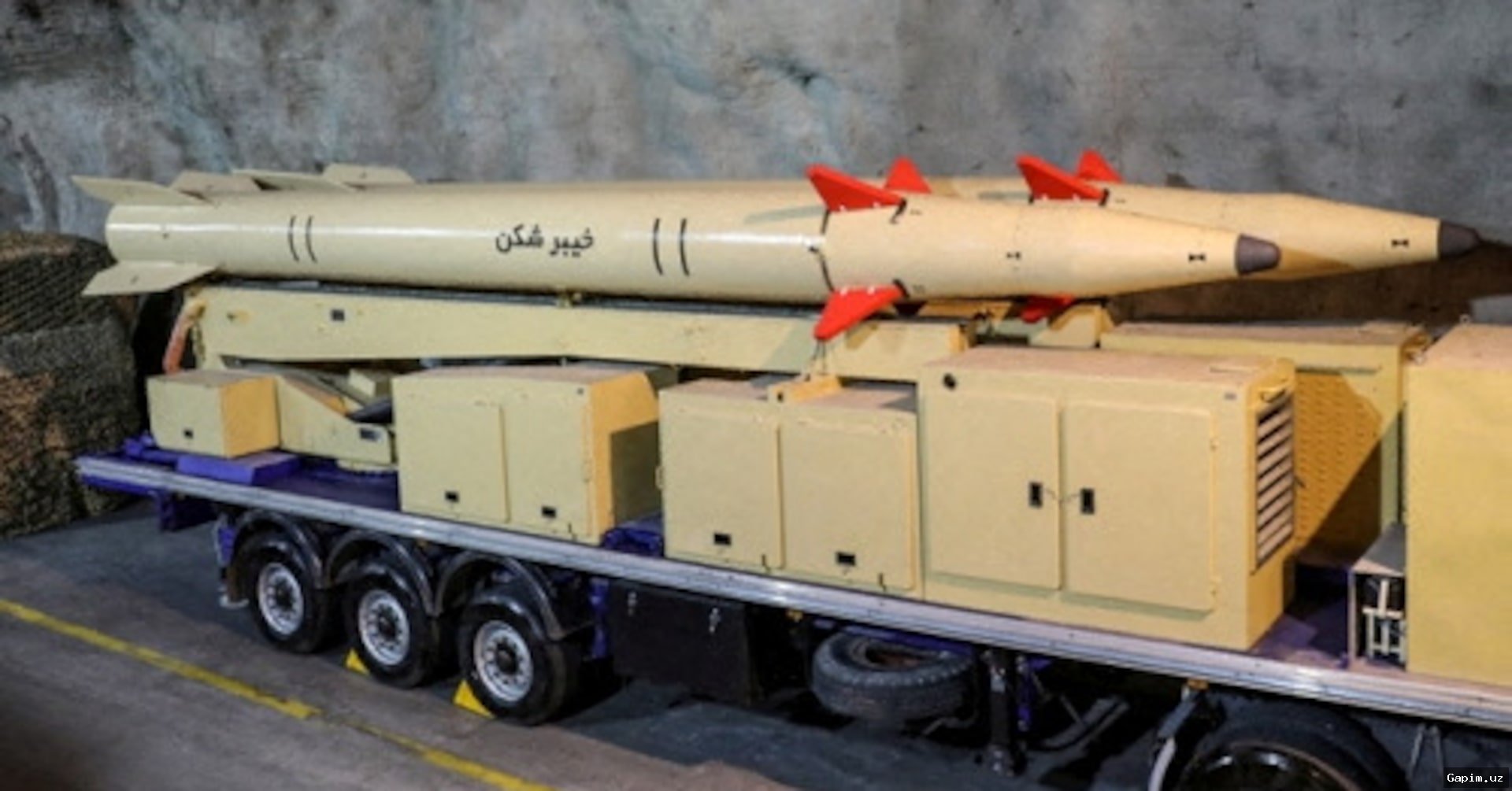
️ In response, Tehran has been launching missiles and drones at targets in Israel and neighboring Persian Gulf countries, including US bases across the region. The United Arab Emirates reported that it alone has been targeted by hundreds of Iranian rockets and drones in recent days. Admiral Brad Cooper, head of US Central Command, said Iran had fired over 500 ballistic missiles and more than 2,000 drones by March 4, accusing Tehran of indiscriminately attacking civilians.
️ Weapons experts note that the exact number of ballistic missiles and drones Iran possesses is unclear. At the start of the war, Israeli military estimates suggested Iran had around 2,500 ballistic missiles, but stockpiles have likely decreased significantly due to Iranian launches and US-Israeli strikes destroying ammunition depots. Satellite images purport to show attacks on missile bases in Kermanshah, Karaj, Khorramabad, and northern Tabriz.
️ Iran is also believed to have the ability to rapidly ramp up drone production. According to leaked Russian documents, Tehran can produce about 5,000 drones per month. Producing one such drone, called Shahed, allegedly costs Iran several thousand dollars, while a US-made Patriot interceptor missile costs up to $3 million each. Iran used short-range missiles and drones to damage communication and radar systems at or near at least seven US military bases in the Middle East.
️ Professor Fawaz Gerges of the London School of Economics stated that Iran is trying to prolong the war and play for time. He noted that the Iranian leadership has had time to plan and coordinate actions and is preparing for a long war, with resilience as the overarching goal. Meanwhile, the cost of the war is borne primarily by ordinary Iranian citizens, who are defenseless against the attacks. Although the US and Israeli regimes claim to carry out targeted strikes, high levels of collateral damage are almost inevitable in densely populated cities.
Source: www.dw.com