️ President Shavkat Mirziyoyev announced at a meeting on pharmaceutical sector development on March 5 that due to the spread of counterfeit medicines, several reputable foreign companies have stopped supplying original drugs to Uzbekistan. He stated that these companies have halted deliveries of 21 types of original medications, posing a serious threat to patient health and the development of the pharmaceutical industry.
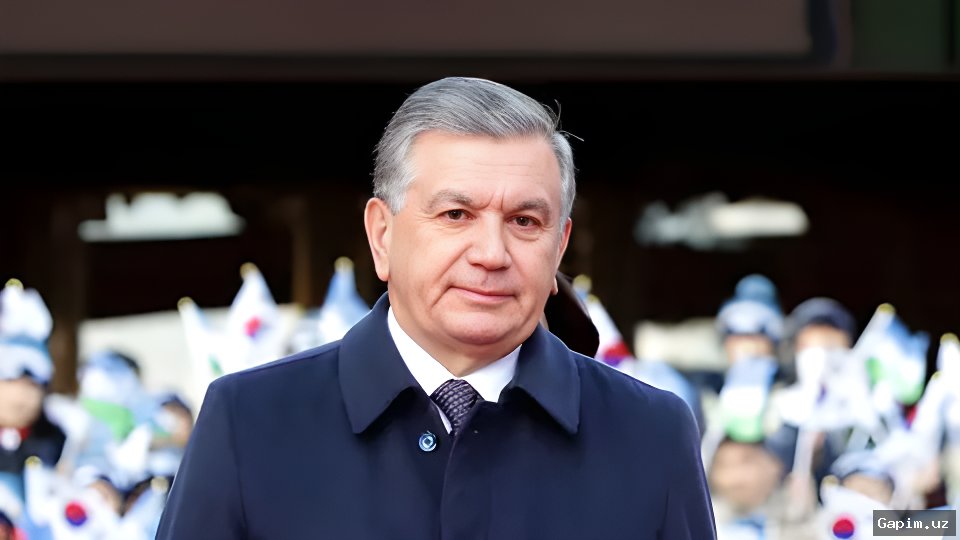
️ The head of state noted that efforts are underway to attract new technologies and major international companies at the Big Pharma level to the pharmaceutical network, but acknowledged that such companies raise legitimate questions about the existence of an effective system to control the quality and safety of medicines in the domestic market before starting production. The fact that over 57,000 types of unregistered and counterfeit drugs were identified in the country last year alone highlights the severity of this issue.
️ The President instructed responsible agencies to wage an uncompromising fight against the illegal circulation of medicines, similar to the fight against drug and psychotropic substance trafficking. Additionally, he emphasized the importance of developing a draft law that envisages a sharp increase in liability for the production and sale of substandard and counterfeit medicines.
️ At the meeting, the President criticized local officials for the lack of vacant pharmaceutical zones and projects. It was announced that starting April 1, medicine manufacturers in Uzbekistan, regardless of location, will be exempt from land tax, and for three years after a pharmaceutical project is launched, profit tax and property tax will not be levied.
️ Shavkat Mirziyoyev also announced new measures to localize medicine production. These include reducing the tax on royalties to up to 5% to attract foreign pharmaceutical companies, expanding the Tashkent Pharma Park area by another 100 hectares with the involvement of South Korean companies, and expanding the participation of local manufacturers in state procurement.
Source: www.gazeta.uz