Thousands of Slovaks took to the streets in Bratislava on 17 November to protest against the Slovak regime led by Prime Minister Robert Fico, accusing it of close ties with the Kremlin, media control, rights violations and failure to uphold the rule of law. The demonstrations were timed to mark the 37th anniversary of the 1989 Velvet Revolution in Czechoslovakia, with the largest crowd gathering at Slovak National Uprising Square in the capital.
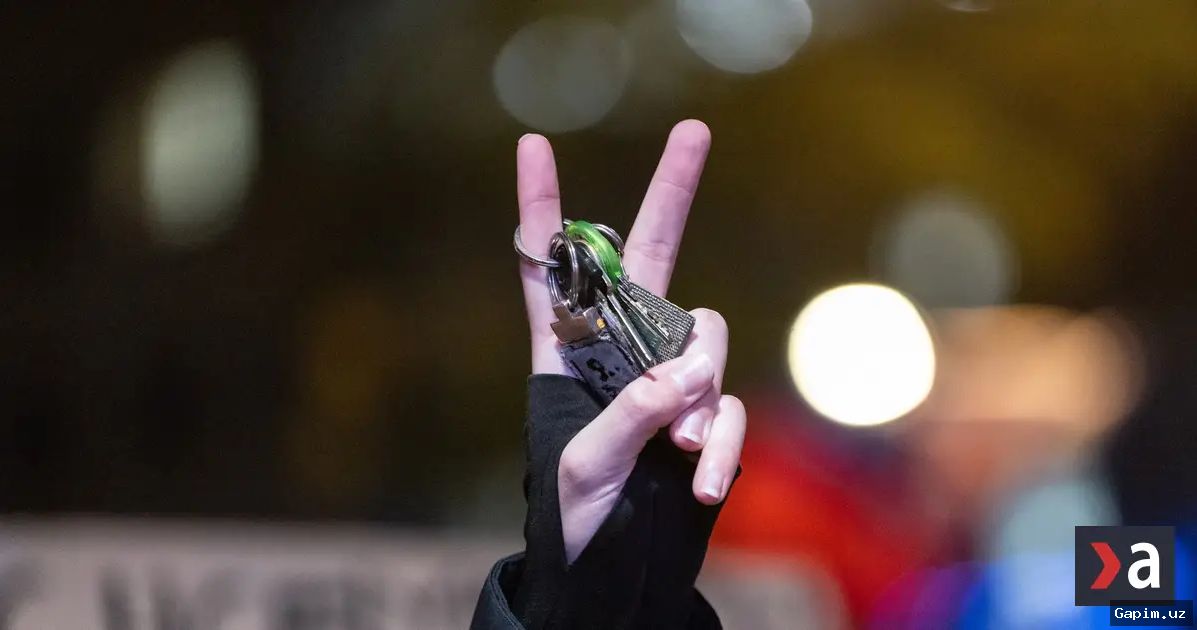
Key Takeaways: According to the largest opposition party, Progressive Slovakia, about 25,000 people joined the Bratislava rally. Protesters demanded the resignation of the Fico regime and early parliamentary elections. The ruling coalition has lost its absolute majority in parliament after several MPs left its ranks.
Protests also took place in several other Slovak cities, but the main demonstration was held in the capital. Slovakia is a member of both NATO and the European Union, so the political turbulence in the country is drawing heightened regional attention. The Bratislava regime’s Moscow-friendly course, including sharp shifts in foreign policy, has raised questions among Western partners and within Slovak society.
The protests underline the democratic legacy of the 1989 Velvet Revolution while also exposing the depth of the current political crisis. After several MPs left, the ruling coalition lost its absolute majority, complicating lawmaking and the regime’s efforts to maintain stability. The opposition is therefore pressing for early elections, but it currently lacks the votes needed to force such a decision.
Some placards read “Russians, go home!” and “I do not want to live in a country I would be forced to flee.” Several participants told AFP they were unhappy about a recent visit to Moscow by Slovak Foreign Minister Juraj Blanár. Crowds chanted “Fico, we are fed up!” and carried banners demanding the resignation of the three-party coalition regime.
So far, the Fico regime has not signaled readiness to resign. The opposition and civic groups plan to continue protests in the coming days; their core demands are the regime’s resignation or early parliamentary elections. The balance of forces in parliament and divisions inside the coalition are expected to directly shape the next political steps.
Source: kun.uz