A delegation from Uzbekistan has received copies of rare manuscripts by medieval scholars and thinkers during a scientific expedition to India held on November 9–15. The visit covered New Delhi, Ghaziabad and Aligarh, with the key handover taking place at the Ibn Sina Academy in Aligarh. The expedition was intended to support the study of scientific heritage, identify manuscript sources and expand the research base available to Uzbekistan’s academic institutions. The Uzbek side was given both electronic and printed copies of unique materials.
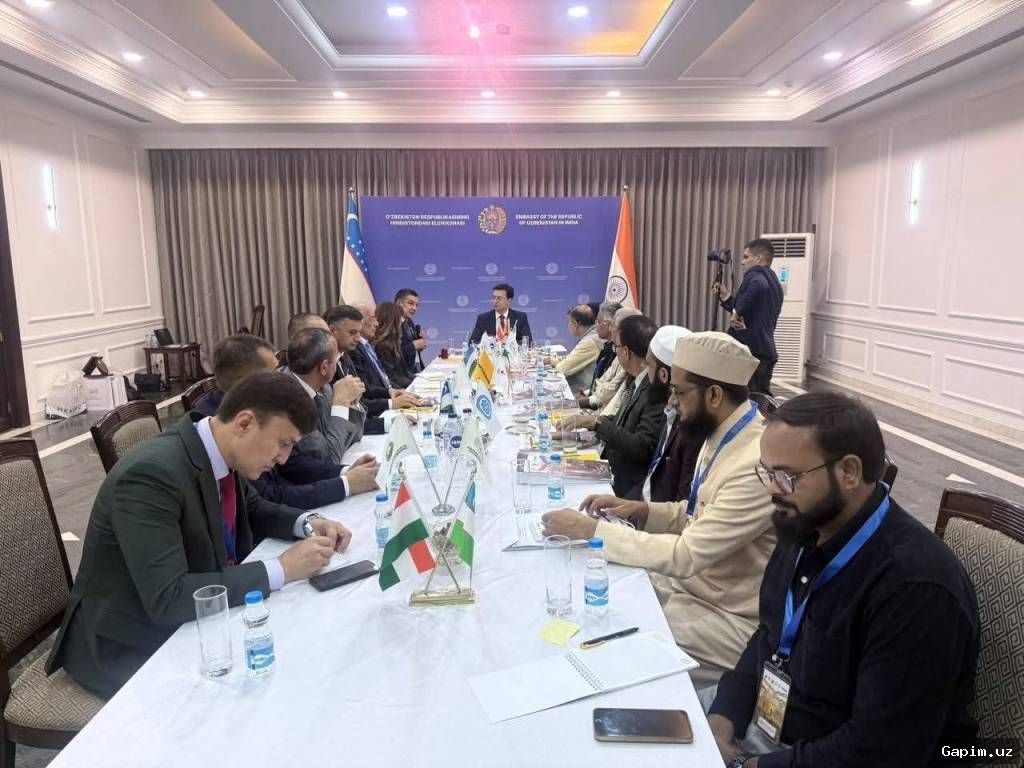
Key Takeaways: The expedition took place on November 9–15 in New Delhi, Ghaziabad and Aligarh. Hakim Sayid Zillur Rahman, head of the Ibn Sina Academy, handed over copies of manuscripts by scholars who lived and worked in the territory of modern Uzbekistan. The transfer marked the result of 15 years of cooperation, while the academy’s library holds more than 30,000 books and about 1,000 manuscripts.
The visit is part of broader scientific and humanitarian ties between Uzbekistan and India. Medieval Central Asian scholarship is preserved in Arabic, Persian and other manuscripts that remain important sources for the history of medicine, philosophy, mathematics and natural sciences. Long-term cooperation with the Ibn Sina Academy gives Uzbek researchers access to a wider range of primary sources, enables comparative analysis and helps prepare new academic projects. In this sense, the received copies are valuable not only as archival material but also as a resource for education and cultural diplomacy.
The Ibn Sina Academy was founded in 2001 and focuses on the legacy of the great scholar, the history of medieval medicine and the preservation of ancient manuscripts. Its library contains more than 30,000 books, around 20,000 journals and approximately 1,000 manuscripts in Arabic, Persian and other languages, including works by prominent Central Asian thinkers. During the expedition, the delegation also reviewed practices for manuscript preservation and digitization. The materials were transferred as a result of 15 years of institutional cooperation, according to official information cited in the report.
The received copies are expected to be examined by research institutions, libraries and specialists in Uzbekistan. Further work may focus on scholarly description, cataloguing and bringing the manuscripts into academic circulation, as well as continuing cooperation with the Indian academy. It was previously reported that Uzbekistan’s Center for Islamic Civilization is preparing an agreement with the State Hermitage Museum. Such initiatives reflect Uzbekistan’s continued attention to preserving scientific and cultural heritage and strengthening international academic contacts.
Source: podrobno.uz