Rare images of around 20 uncontacted Awa Indigenous people emerging from a remote part of Brazil’s Amazon rainforest in Maranhão state have been released by Survival International, drawing attention to the pressures faced by isolated communities from illegal loggers, hunters and ranchers. According to the UK-based Indigenous rights group, the encounter occurred on Monday near a government access-control post and the Tawari village, home to Guajajara people, after members of the isolated group reportedly asked for food. Brazil’s Indigenous affairs agency Funai said it was reviewing videos and social media accounts of the interaction and stressed that the Brazilian state is not seeking contact with the group, in line with its non-contact policy.
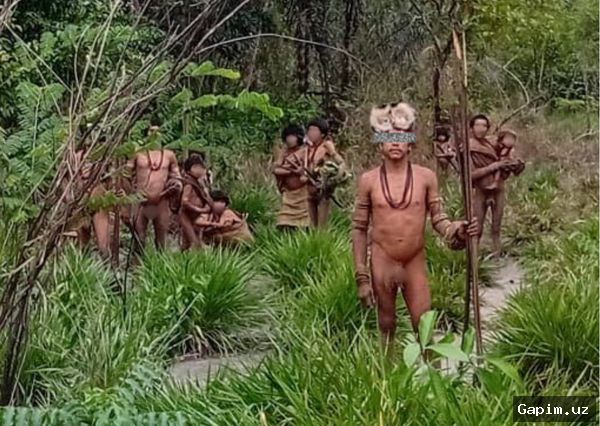
Key Takeaways: Survival International says about 20 uncontacted Awa people were filmed in northeastern Maranhão on Monday. Funai says it is reviewing the footage and maintains a policy of no forced contact. Indigenous advocates warn that unplanned contact can expose isolated groups to deadly diseases and that encroachment is shrinking their forest territory.
The Awa are a Tupi-Guarani people in northwestern Maranhão, and some members remain in voluntary isolation, according to Funai. The encounter took place in the Arariboia Indigenous Land, an area that has for years been the focus of disputes involving illegal logging, land invasions and ranchers. Survival International said it released the footage at the request of the Guardians of the Amazon, an Indigenous group that campaigns against illegal loggers and ranchers, adding that the images were recorded by members of the Guajajara community. The case has renewed attention to how Brazil’s non-contact policy is supposed to work in practice when isolated people approach settled villages or government posts.
Caroline Pearce, director of Survival International, said the uncontacted Awa are “under extreme pressure as intruders encroach from all sides of their territory,” describing them as driven into an ever-smaller island of rainforest surrounded by destruction. The Maranhão Indigenous organization COAPIMA said the encounter showed the need for careful action by responsible agencies because of the risks that unplanned contact can pose to isolated groups, mainly from exposure to diseases. Brazil’s Ministry of Indigenous Peoples said the encounter began near the government access-control post and Tawari village, while Funai told Reuters it was reviewing the videos and accounts circulating online.
In recent decades, isolated Indigenous groups across the Amazon have faced encroaching illegal miners, loggers and ranchers, and contact with outsiders can be deadly. In Colombia, about 40 percent of the isolated Nukak people died from diseases after outsiders reached them in the 1980s, according to Survival International. The group’s senior researcher Teresa Mayo told Al Jazeera in a report on the Nukak that “if there is no forest, there are no uncontacted peoples,” underscoring the link between forest protection and the survival of isolated communities. The Awa case also highlights the role of Indigenous guardians and local communities in monitoring invasions and alerting authorities.
Funai has not announced any plan to make contact with the Awa and says it is assessing the circumstances of the encounter. Indigenous advocates are calling for stronger protection of the Arariboia Indigenous Land, faster action against illegal invaders and careful public communication about the footage to avoid encouraging curiosity or further intrusion. The next steps are likely to focus on whether authorities reinforce control posts, investigate reported incursions and ensure that any assistance to the isolated group is handled under established health and non-contact protocols.
Source: www.aljazeera.com