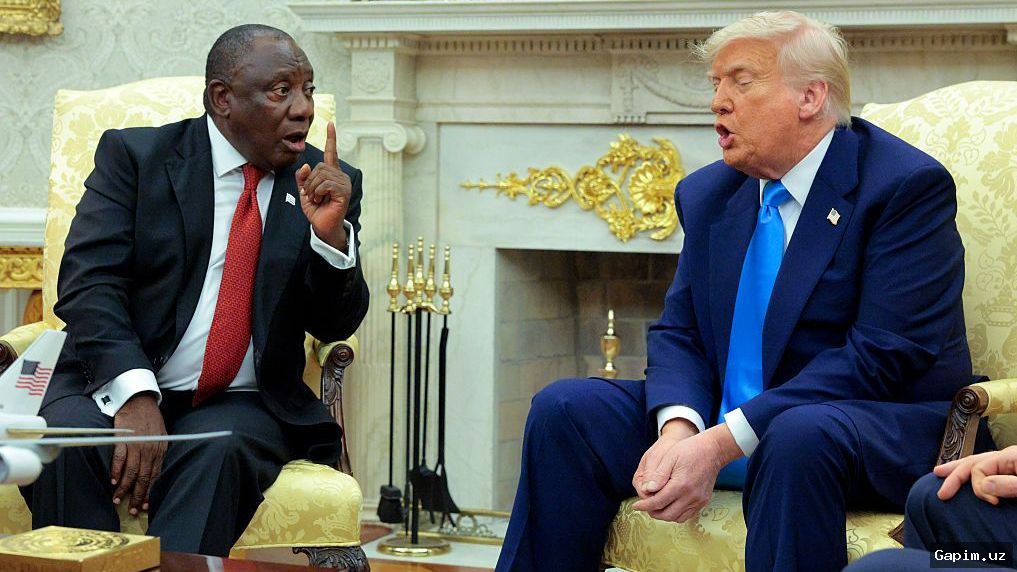
On September 2, the US regime led by Donald Trump signed legislation extending the African Growth and Opportunity Act (AGOA) through the end of 2028 after broad congressional support. Yet on November 2, only two months later, the same Trump regime announced plans to terminate the eligibility of South Africa and Rwanda from January 1, 2027. The move exposes a central weakness of AGOA: African exporters rely on trade privileges that Washington can withdraw when its political priorities shift, even though the programme currently covers 33 eligible sub-Saharan African countries.
Key Takeaways: AGOA was extended to 2028, but the US regime has moved to strip South Africa and Rwanda of eligibility from 2027. The programme covers 33 countries and is estimated to have supported more than 300,000 direct and 1.3 million indirect jobs in Africa. In 2023, two-way US–sub-Saharan Africa goods trade reached $47.5bn, including $9.7bn in AGOA/GSP imports.
Enacted on May 18, 2000, AGOA was promoted as a strategic mechanism to encourage growth, expand US–Africa trade and reward economic and political reforms. A 2024 US Trade Representative report cited $47.5bn in two-way goods trade in 2023, with $9.7bn in imports under AGOA and the Generalized System of Preferences, of which $5.5bn were non-oil products such as apparel and agricultural goods. However, a Congressional Research Service report shows US imports receiving AGOA duty-free treatment fell from $7.9bn in 2024 to $5bn in 2025, while IDOS found the share of US imports from sub-Saharan Africa benefiting from AGOA/GSP preferences dropped from over 80 percent in 2008 to about 24.7 percent in 2021.
Because Washington administers the preferences unilaterally rather than through a bilateral treaty, the US regime can exclude or reinstate countries based on its own assessments, including market reforms, human rights and labour standards. South Africa is the largest beneficiary, with billions of dollars in annual exports to the US, but the Trump regime has cited its deeper ties with China and Russia and has made purportedly “white genocide” allegations. Rwanda’s alleged support for the M23 rebel group in eastern Democratic Republic of the Congo has also collided with US interests in critical minerals. Ethiopia’s 2022 suspension, meanwhile, led to the loss of thousands of garment-sector jobs.
Losing AGOA access would bring immediate customs costs, including tariff increases of 15 to 20 percent on some products, and unpredictable short-term extensions prevent the programme from building a self-sustaining African industrial base. The decision also strengthens the case for accelerating the African Continental Free Trade Area (AfCFTA). For African exporters, the lesson is stark: trade preferences tied to the US regime’s shifting geopolitical calculations remain highly vulnerable, and diversification is becoming an urgent economic priority.
Source: www.aljazeera.com