A new study published in the journal Science has identified a significant mismatch in how the ocean and land absorb carbon dioxide, raising fresh questions about the Earth’s carbon cycle and the reliability of some climate models. Researchers compared 45 years of satellite observations showing rapid global greening — the expansion and intensification of vegetation — with atmospheric gas measurements. The analysis found that the ocean is taking up more CO₂ and doing so at a faster rate, while net uptake on land shows no sustained long-term increase. The findings are important because natural sinks currently remove about half of the CO₂ released by human activity.
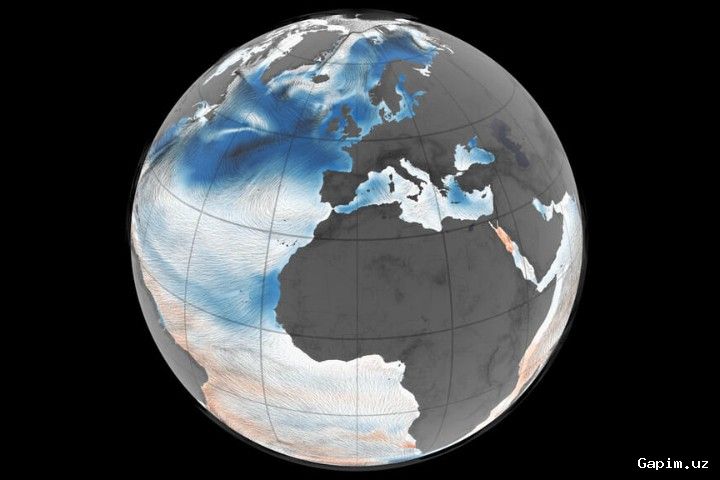
Key Takeaways: Humanity emits more than 35 billion tonnes of CO₂ each year, yet measurements suggest roughly half of that amount disappears from the atmosphere. The new analysis points to accelerating ocean uptake but no long-term rise in net land uptake, and the authors do not identify a definitive cause. The discrepancy may reflect problems in interpreting global greening or an unrecognised large terrestrial source of CO₂.
The issue matters because ocean and land ecosystems act as buffers that slow the build-up of greenhouse gases. If these natural sinks weaken, CO₂ will accumulate faster in the atmosphere and climate change could accelerate. Scientists have therefore been trying to reconcile satellite evidence of vigorous plant growth with atmospheric measurements that track the movement of gases. The apparent contradiction suggests that either the greening does not translate into greater net carbon storage or that some land-based process is releasing far more CO₂ than currently accounted for.
The researchers used a different approach to estimate CO₂ uptake by natural systems. They examined how increases in atmospheric CO₂ at various locations were accompanied by changes in oxygen O₂ concentrations. Burning fossil fuels releases CO₂ and lowers atmospheric O₂, while photosynthesis absorbs CO₂ and releases O₂. The ocean absorbs CO₂ without releasing oxygen. This distinction allows scientists to separate ocean and land contributions, although seasonal vegetation cycles and the movement of air masses make measurements highly variable.
The data showed that the ocean absorbs more CO₂ than land and that its uptake rate has been rising relatively quickly. On land, by contrast, net uptake has not increased. The study’s authors are uncertain why. They outline two possibilities: either land plants have begun consuming more CO₂, or an unknown natural process on land is emitting large amounts of the gas. The second option appears less likely because known natural sources are several orders of magnitude smaller than emissions from human energy use.
Next steps include expanding land and ocean monitoring, integrating satellite observations with atmospheric measurements, and re-examining carbon-cycle models. The study does not challenge the basic science of climate change, but it highlights uncertainty over the strength and stability of natural carbon sinks. That uncertainty is relevant to future climate projections, emissions-reduction planning and policies for protecting ecosystems.
Source: kun.uz