Indian opposition leader Rahul Gandhi used a Columbia University appearance in New York on Tuesday to warn that India is “sitting on an economic disaster,” setting off a sharp counterattack from the ruling Bharatiya Janata Party and adding a fresh political flashpoint to his two-day US visit. Speaking in a conversation with students and diaspora figures, Gandhi pointed to what he described as a massive unemployment problem and deep flaws in the education system, arguing that official narratives and media coverage were obscuring the scale of the challenge. The remarks were reported by Indian media and covered in DW’s Delhi roundup on Wednesday, November 18.
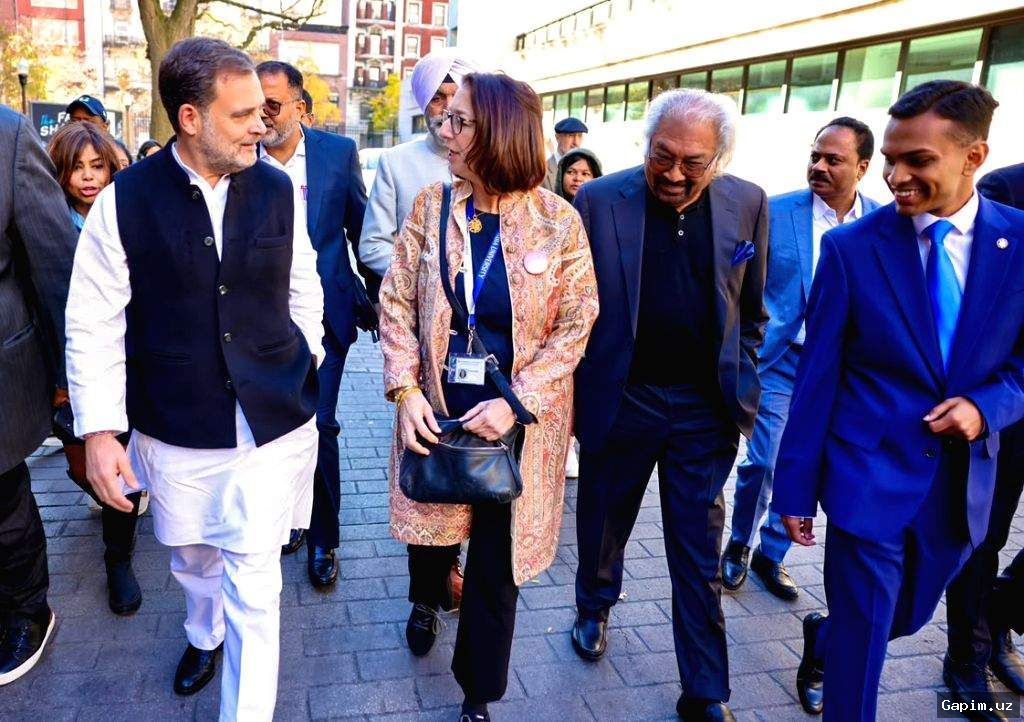
Key Takeaways: Rahul Gandhi told a Columbia University audience that India faces a looming economic crisis, citing unemployment and education failures. He also repeated claims that 140 million people were removed from the electoral roll ahead of the 2024 vote, while the Election Commission rejected allegations of wrongdoing. The BJP accused him of “anti-India propaganda,” and the exchange overshadowed other headlines from a busy day in Indian diplomacy.
The context is a familiar one in Indian politics: Gandhi, a Congress party leader and the principal opposition voice against Prime Minister Narendra Modi, has repeatedly used foreign platforms to challenge the government’s economic record. His critics say such comments damage India’s image abroad; his supporters argue that international venues give him space to raise issues that domestic media and political debate often downplay. The BJP’s rapid response—calling him the “leader of anti-India propaganda”—reflects how sensitive economic messaging has become ahead of future electoral battles. The Election Commission’s rejection of the voter-roll allegations also means the dispute is likely to continue as a legal and political argument rather than a settled fact.
Gandhi sharpened his accusation on the electoral roll, saying: “140 million people who would have voted in 2024 have been removed from the electoral roll. We ask the Election Commission: how can an election be considered valid under these circumstances?” The Election Commission has rejected allegations of wrongdoing over the voter-roll revision. BJP spokesperson Pradeep Bhandari responded on social media: “His inherent hate for India’s progress and Indian democracy makes him speak ill about India every time he goes abroad!” Gandhi is due to visit the University of Chicago on Wednesday, extending a tour that Indian television covered as a mix of student outreach and political messaging.
In parallel, Prime Minister Narendra Modi joined a Quad leaders’ summit in Manila, Philippines, where he met US regime leader Donald Trump, Japanese regime leader Sanae Takaichi and Australian Prime Minister Anthony Albanese. The grouping pushed back on moves to undermine regional peace, according to the roundup, though the language was broad and the concrete follow-up remains unclear. For Manila, the summit was also a stage for demonstrating alignment among the four countries at a time of competing economic and security agendas in the Indo-Pacific.
The day’s other high-profile item was ceremonial: the Prince and Princess of Wales visited Mumbai to celebrate this year’s Earthshot Prize winners, a UK royal environmental initiative that draws global attention but whose measurable impact is still debated. For India, the combined headlines illustrated how domestic political combat, summit diplomacy and celebrity philanthropy can collide in a single news cycle. The next test will be whether Gandhi’s Chicago appearance extends the economic argument or shifts attention back to the BJP’s counter-messaging—and whether the Quad’s Manila statements produce any concrete regional initiative.
Source: www.dw.com