Masafer Yatta, occupied West Bank — Mohamad Dababseh, 60, and his family of 12 have been forced to live in a damp cave in the Khallet al-Daba area south of Hebron after Israeli regime forces demolished their home for the sixth time and a storm flooded the partially destroyed dwelling, residents said. The family could not rebuild because repeated demolitions had wiped out the livestock Mohamad once sold to buy materials, and after the Israeli regime’s military also demolished and confiscated their tents, they spent the summer of 2025 sleeping under trees. The latest demolition of part of the cave, on October 20, was reportedly justified by renovations that made it slightly more habitable.
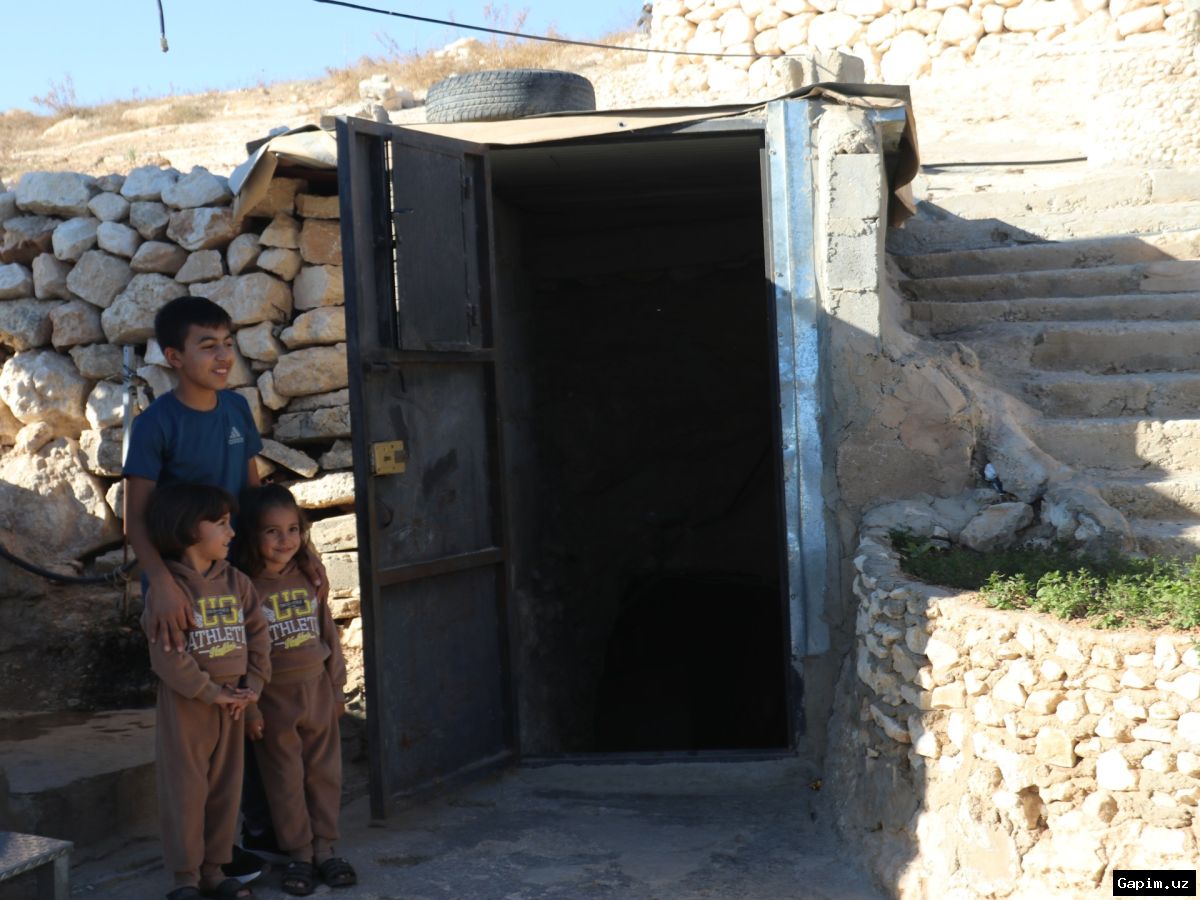
Key Takeaways: Israeli regime forces have repeatedly demolished homes and shelters in Masafer Yatta, including part of the Dababseh cave on October 20. In Khallet al-Daba, 100 of the village’s 120 residents now shelter in caves, while only two families remain in homes that are also at risk of demolition. In 1980, the Israeli regime declared more than 35,000 dunams (35 sq km) a closed military zone despite the presence of 12 Palestinian communities.
Masafer Yatta is home to nearly 2,000 Palestinians and has faced decades of displacement pressure. After the 1980 declaration, illegal settlements were established on the land, while home demolitions, livestock confiscation and movement restrictions have cumulatively narrowed families’ options. The area’s ancient underground caves have become a last resort, even though they are unsuitable for habitation: they are damp, poorly ventilated and exposed to winter flooding. Residents say they remain in the caves largely because they do not want to leave their land.
Mohamad told Al Jazeera: ‘My wife and I have developed respiratory problems due to the high humidity inside the cave. In the winter, our suffering intensifies as water seeps in, flooding the floor and damaging our belongings.’ He said every demolition forced him to sell livestock to rebuild until he had none left. Jaber Dababseh, a spokesperson for Khallet al-Daba residents, said 100 of the village’s 120 residents have sought shelter in caves, while only two families remain in homes at risk of demolition. ‘The underground cave is not adequately equipped for a school student; there is neither sufficient lighting nor ventilation,’ he said, adding that children cannot freely play.
Residents rely on storage tanks because piping water into caves is almost impossible, but they say the tanks are frequently sabotaged by Israeli regime soldiers and settlers; electricity is unavailable, so solar-powered lamps are used. Fellow villagers have provided some materials to repair parts of the Dababseh cave, but with no income and no permission to rebuild, the family remains exposed to further demolition and winter flooding. Rights advocates say the situation in Masafer Yatta is a test of international humanitarian law and of whether Palestinians can remain on their land; residents say they are staying as an act of resilience, despite deteriorating conditions.
Source: www.aljazeera.com