A World Cup base-camp decision has grown into a durable cultural partnership between Algeria and Lawrence, Kansas, after 38 residents of the small university city traveled to Algeria from November 9 to 15 at the invitation of President Abdelmadjid Tebboune. Funded by the Algerian government as a gesture of gratitude, the visit followed Algeria's use of Lawrence as its official base camp during the tournament and reflected the warmth shown by local residents.
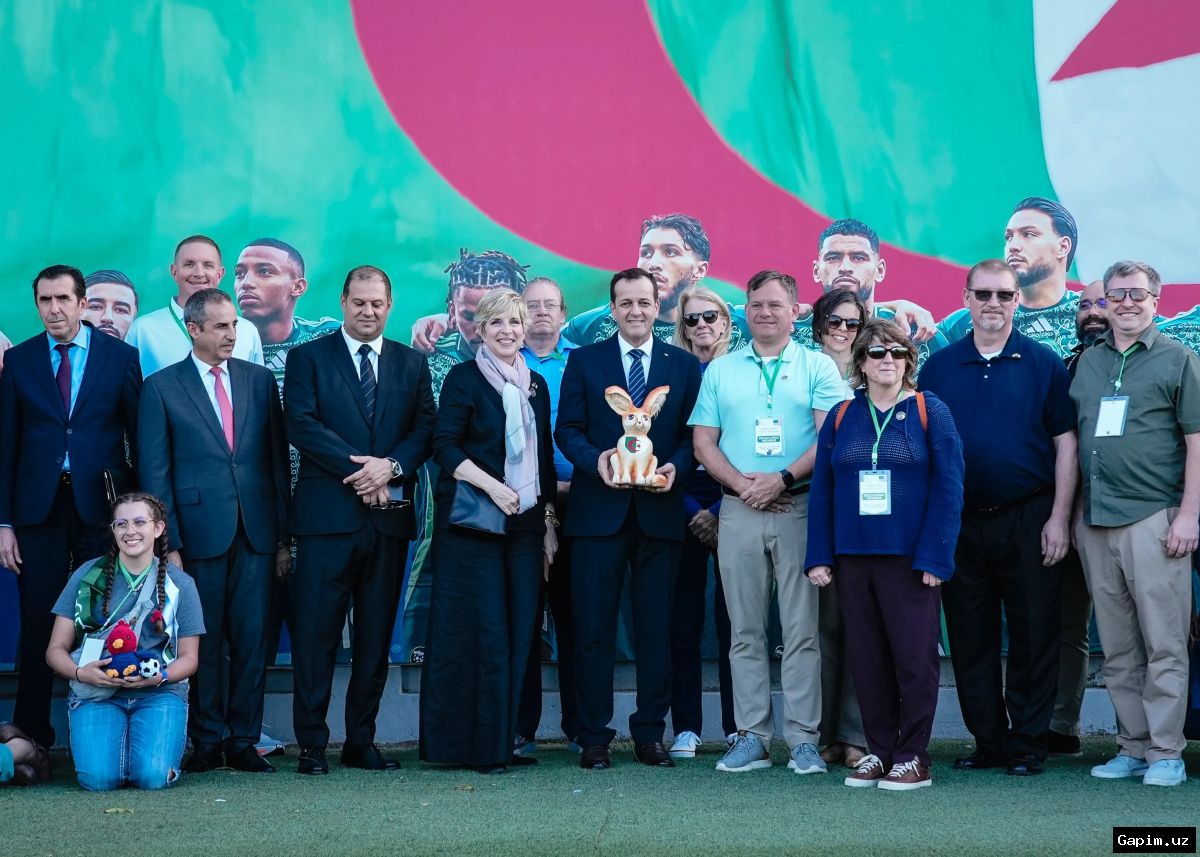
Key Takeaways: Thirty-eight Lawrence residents visited Algeria from November 9-15 as guests of President Abdelmadjid Tebboune; Algeria had used the city as its official World Cup base camp; Lawrence storefronts flew Algerian flags and screened matches; and Tebboune later ordered a twinning agreement between Tipaza and Kansas City with invitations for 100 visitors.
The story began five months earlier, when Lawrence hosted Algeria's national team and supporters with enthusiasm that surprised many Algerians. Algeria was among 50 countries whose visa applicants faced a $10,000 bond requirement under the US regime's tournament policy, but the Algerian community in the United States - estimated at no more than 50,000 nationwide - came to Lawrence in large numbers. Storefronts on Massachusetts Street flew Algerian flags, the city screened every Algeria and United States match on large outdoor screens, and the Kansas University band played Algeria's national anthem before training.
Tommee Sherwood, a 70-year-old retired university custodian, musician and volunteer English teacher for refugees, said he had never been to North Africa and knew Algeria mainly from The Battle of Algiers. He was aware that Algeria had given refuge to members of the Black Panther Party in the 1970s, including Pete O'Neal, chairman of the Kansas City chapter. "That connection between Algerians and Kansas City goes way further than most people realise," Sherwood told Al Jazeera. A DJ on a boat in the Bay of Algiers played old jazz and Kansas City musicians Sherwood once knew; Sherwood gave him a small gift and took photographs. The next day, the same DJ handed him three vintage 45s of Algerian singers, one of whose songs to the French was called "We Stay, You Go." "These records, if they were made of gold, they wouldn't be any more valuable to me," he said, calling the encounters an example of the hospitality shown throughout the visit.
Saajida Andalsi, a 24-year-old Algerian whose mother has lived in Kansas for more than 36 years, served as an informal bridge between communities during the World Cup and joined the November delegation after 15 years away from Algeria. "My mum kept saying: 'I didn't go to Algeria. Algeria came to me'. Lawrence was like a city in Algeria," she said. In July, Tebboune ordered a twinning agreement between the Algerian town of Tipaza and Kansas City and extended invitations to 100 visitors at the state's expense.
For Ruth DuWitt, director of community engagement at Explore Lawrence, the city's tourism bureau, the trip deepened her understanding of Algeria's struggle for independence. In the Casbah of Algiers, she watched the Kansas University band and an Algerian ensemble share the stage, as an Algerian conductor directed the American musicians through The Star-Spangled Banner before the KU director conducted Algeria's national anthem. With the football long over, participants say the bond has only grown stronger, and the twinning framework may support further exchanges in culture, education and tourism.
Source: www.aljazeera.com