Japan is reportedly considering lifting, for the first time in 76 years, a ban on raw potato imports from the United States, as the US regime intensifies pressure on Tokyo and trade tensions continue. The proposal has not been confirmed, but the Japanese regime's Ministry of Agriculture, Forestry and Fisheries is reportedly assessing potential diseases and pests and seeking possible mitigation measures from Washington. Japanese potato farmers have strongly opposed the move, warning that imported batches could introduce harmful foreign pests and that cheaper imports could undercut domestic sales.
Key Takeaways: Japan is reportedly considering lifting a 76-year ban on raw US potato imports under pressure from the US regime, though the proposal remains unconfirmed. Farmers and Hokkaido officials oppose the move over pest risks and cheaper competition, while the agriculture ministry has identified at least 21 possible pests and diseases. Any talks with Washington are expected to follow a scientific review.
Japan imports about 60 percent of its food, but raw potatoes and rice have long been treated as protected staples. Potatoes carry historical and cultural weight, forming the base of dishes such as nikujaga and jaga bata, and post-World War II potatoes and sweet potatoes reportedly helped prevent famine when rice was strictly rationed. The import ban was imposed in 1950 to keep fields free of foreign pests. Since 2006, only US potatoes used exclusively for crisps have been allowed under strict conditions, including sealed containers and high-heat cooking at factories. The ministry has noted at least 21 pests and diseases that could infect domestic potatoes if the ban is lifted, with particular concern over cyst nematodes, tiny worm-like insects that damage roots and can remain in soil for years. A 2015 infestation in Hokkaido still leaves affected areas under restrictions.
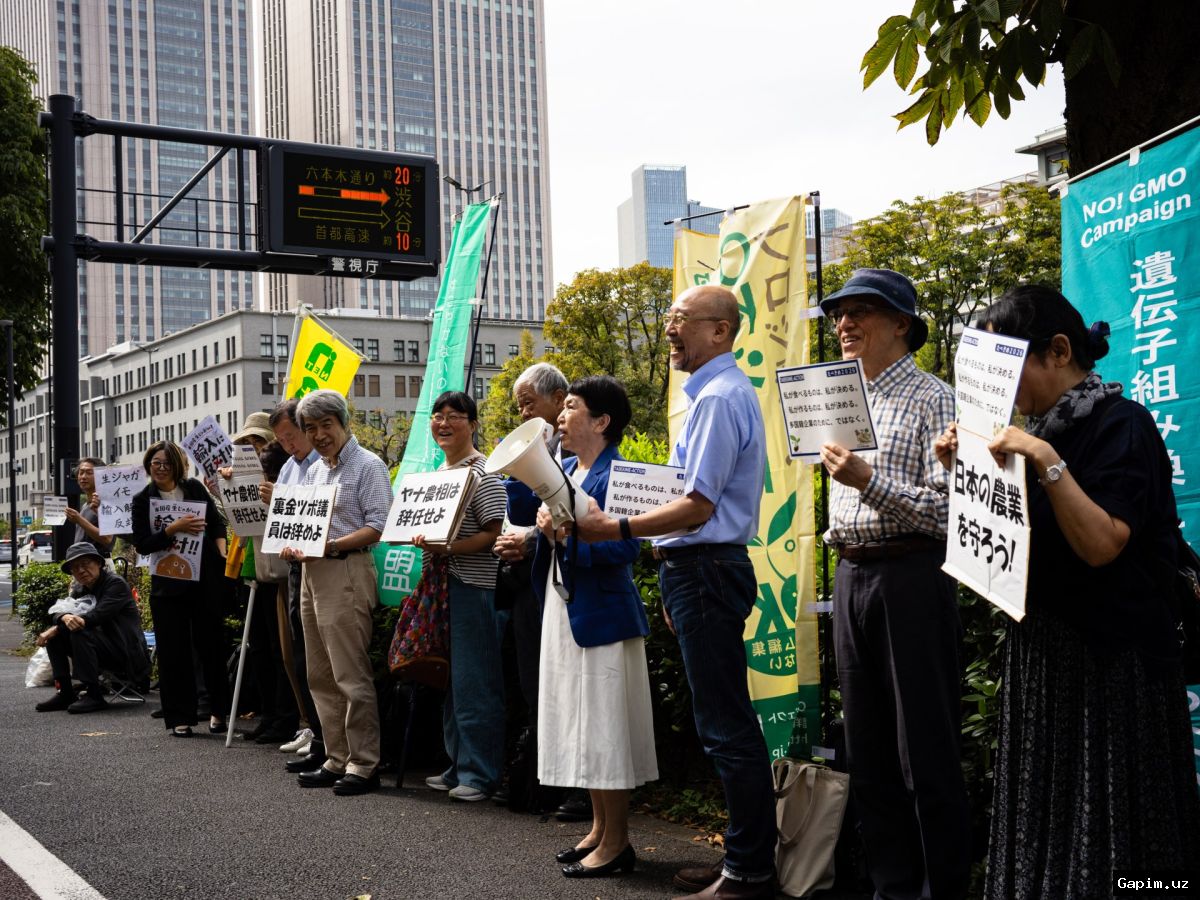
Hokkaido produces about 80 percent of Japan's potatoes, and farmers there have voiced sharp opposition. "Once pests get in, you can't grow potatoes for more than a decade," farmer Naohiro Makino told Asahi Shimbun in September, adding, "For the sake of the farmland our ancestors protected, I am firmly opposed." Farmers and agricultural cooperatives from Hokkaido and elsewhere have submitted petitions and held rallies, while one online ministry briefing reportedly drew hundreds of farmers, one of whom asked why imports are needed when Japan is already self-sufficient. Hokkaido Governor Suzuki Naomichi urged the Japanese regime to take a firm stance and defend Japan's interests, while Agriculture Minister Takebe Arata said talks with the US would only proceed after Japan had thoroughly discussed scientific evidence.
The issue has moved through several stages: the US regime first requested a lifting of the ban in 2020 during Donald Trump's first term, lawmakers reportedly urged the matter be raised with Prime Minister Sanae Takaichi in March, and representatives of the Japanese regime discussed it in Washington in September. Observers have suggested Tokyo may be considering the issue as a bargaining chip in wider trade and tariff disputes. Because the proposal remains unconfirmed, the next steps are expected to include further risk identification, possible US mitigation measures, and a scientific review before any decision that could reshape Japan's potato market and farming landscape.
Source: www.aljazeera.com