In China, the full-scale electric convertiplane prototype A868 by Aridge, an aircraft with all tilting rotors, has successfully completed a test transition from vertical takeoff to high-speed horizontal flight, according to company information. The maneuver was described as the first time such a full-scale Chinese convertiplane changed flight modes in the air while maintaining control, moving from vertical lift to forward flight.
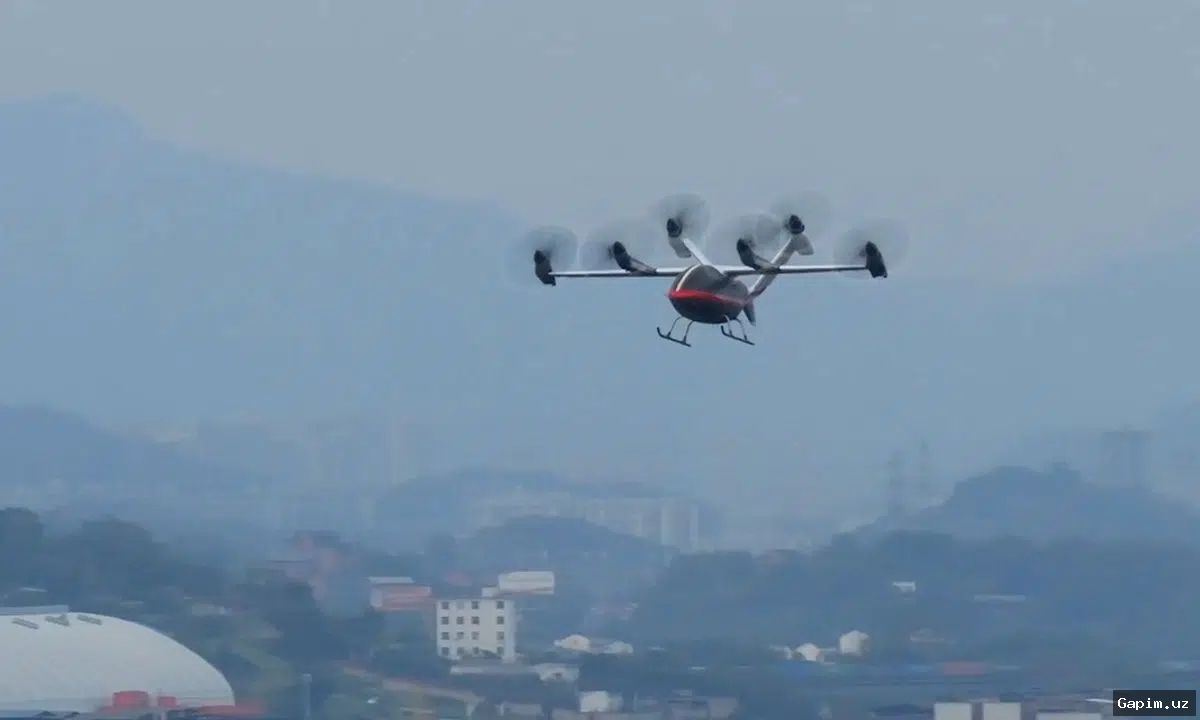
Key Takeaways: A868 first flew in November 2025 and completed the full transition test over the following 12 months; in vertical flight the rotors hold the aircraft in the air, then tilt to pull it forward, while in horizontal flight the wing generates lift; the entire process is continuous within a single flight.
Context and Technical Details
Demonstration flights usually show how an aircraft takes off and lands, but this test required A868 to move from one flight mode to another in the air without losing control. In vertical takeoff the rotors keep the aircraft aloft; they then tilt and begin pulling it forward; in horizontal flight the wing provides lift. This uninterrupted transition is one of the key tests for eVTOL aircraft because it demonstrates whether the machine can remain stable in real flight conditions.
Among eVTOL aircraft capable of vertical takeoff and landing, convertiplanes with tilting rotors are considered a promising solution for medium- and long-range missions: they take off and land like helicopters and save energy in horizontal flight like fixed-wing aircraft. In all-rotor-tilt designs, a special mechanism moves each rotor’s axis from vertical to horizontal and back; in horizontal flight all rotors pull the aircraft forward, eliminating the excess weight and aerodynamic drag of components used only for vertical flight. This allows the highest efficiency, but the rotor-tilting mechanism and flight-control system must operate with extreme precision and coordination; for that reason such aircraft are often called "electric Ospreys," drawing comparison with the U.S. V-22 Osprey convertiplane.
Competition and Next Steps
Because of this technical complexity, only a few companies worldwide have chosen the all-rotor-tilt design and turned it into a working aircraft. In this segment, U.S. company Joby Aviation is regarded as the world leader: it was the first to complete an in-air transition between flight modes in this category and continues to lead in certification pace. Technical solutions and test schedules differ among other manufacturers; according to the latest official reports from Overair and several other companies, they have not yet completed transition tests, while some competitors focus on partial-tilt aircraft or other designs. Aridge’s completed test therefore adds a new competitor to the segment, and its future impact will depend on certification, production readiness, and any move toward commercial flights.
Source: kun.uz