A journalist investigating the self-declared Free Republic of Liberland was tracked by a Croatian police boat on the Danube, the European Union’s longest river, while heading toward a gathering linked to the micronation’s supporters. The incident highlighted Croatia’s insistence that the disputed forested peninsula between Croatia and Serbia cannot be claimed as an independent state, and it opened a wider look at a movement that promotes zero taxation, self-governance and anarcho-capitalist ideas.
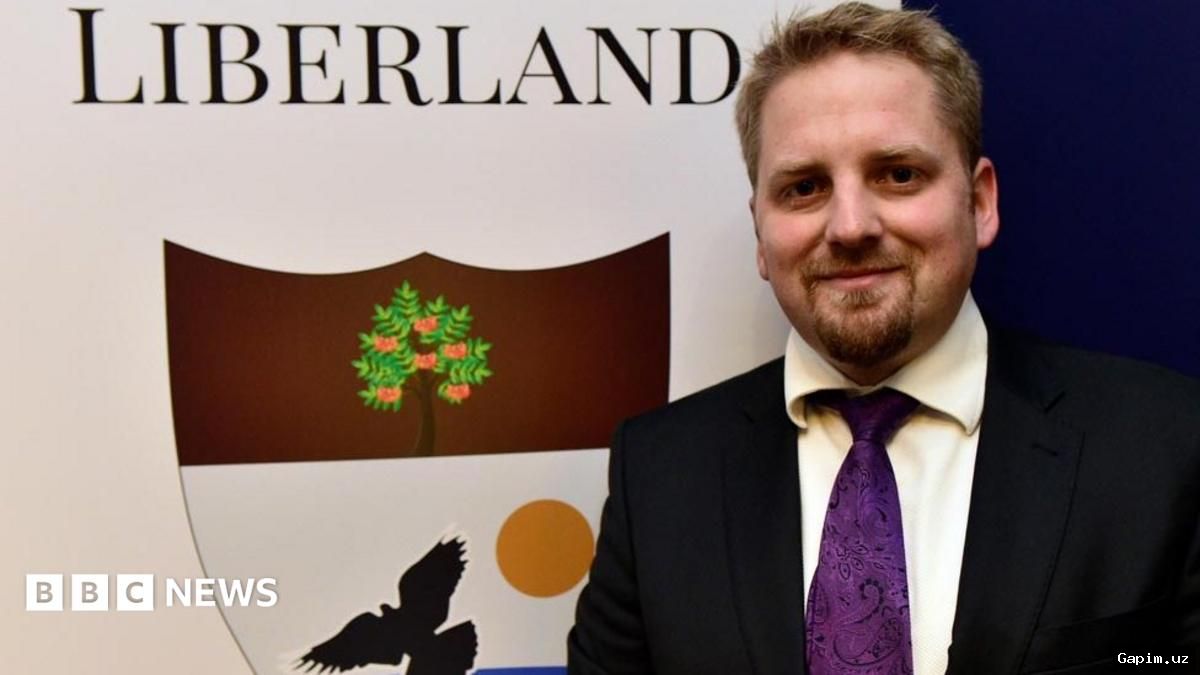
Key Takeaways: Liberland was declared in 2015 by Vit Jedlička on a 7-square-kilometre territory, and its defining rule is the absence of taxes. Croatian authorities demolished a settlement built by Liberland supporters in 2023 and called the project a provocative action with no basis in law. The reporter found no billionaires at the conference, although the movement shows growing interest in self-governing communities around the world.
Context and Background
Liberland emerged from an unresolved border dispute between Croatia and Serbia, where a small forested peninsula on the west bank of the Danube remained unsettled. Jedlička, a Czech politician and YouTuber, said he had tried to change his own country before deciding to search for no-man’s land online; in 2015 he declared the territory the Free Republic of Liberland. The project’s central promise is a state with no taxation, and it has attracted supporters who fear overbearing governments, mandates and surveillance. Its wider significance lies in the growing movement for self-governing communities, from homesteading to private cities such as Prospera in Honduras, even though Croatia rejects the claim outright and has used police patrols and demolition to prevent settlement.
Outlook and Key Details
Jedlička said: 'Taxes are just fines for being productive,' and argued that states punish private Ponzi schemes while operating pension systems he compared to Ponzi schemes. Jeff Berwick, founder of Anarchapulco, described anarchy as a Greek word meaning 'without rulers' and said humans coexist best without being slaves to a ruler. One speaker said he got into trouble after speaking out against vaccines and mandates, while another told attendees that words are a spell. Jedlička also claimed that many billionaires signed up for citizenship, and the concept has had long-standing support from Javier Milei, now Argentina’s president. Yet when the reporter asked attendees whether they were billionaires, the answers were 'Not yet,' 'No,' and references to a small farm and a few horses; no billionaires were found.
Because entering Liberland risks arrest, supporters meet at Liberpulco, a festival up the river in Serbia that merges the Liberland gathering with Anarchapulco. During the week, the reporter joined a meditation class, watched a knife defence class taught by an instructor who learned from YouTube, and was told not to film a session on how to stop government surveillance. Tim Allen of the Free Cities Foundation warned that territory is only as good as one can defend it. Croatia’s Foreign Ministry called Liberland a provocative action with no basis in law, and in 2023 Croatian authorities demolished the settlement Liberlanders had built. Headlines may brand Liberland a playground for billionaires, but the investigation found a movement whose members are more often motivated by fear of state power than by vast wealth.
The next steps remain uncertain: Croatia continues to police the disputed area and reject any sovereignty claim, while Liberland’s supporters keep building networks, conferences and citizenship claims from outside the territory. The broader test for such projects will be whether they can move from online enthusiasm and festival culture to durable governance, legal recognition and physical control over land. For now, Liberland remains a contested idea on the Danube—part protest, part political experiment, and part warning about how far distrust of government can go.
Source: www.aljazeera.com