Iraq’s federal government and the semi-autonomous Kurdistan Regional Government (KRG) are locked in their sharpest confrontation in years over control of oil, border crossings and the revenues they generate. Prime Minister Ali al-Zaidi has ordered federal authorities to take over all crossings into the Kurdish region, close unofficial routes used for smuggling and seize oilfields in disputed provinces still controlled by Kurdish security forces; within 24 hours, the Federal Supreme Court issued a ruling supporting Baghdad’s powers. Erbil has called the measures unconstitutional, while Baghdad insists it is not sending troops north.
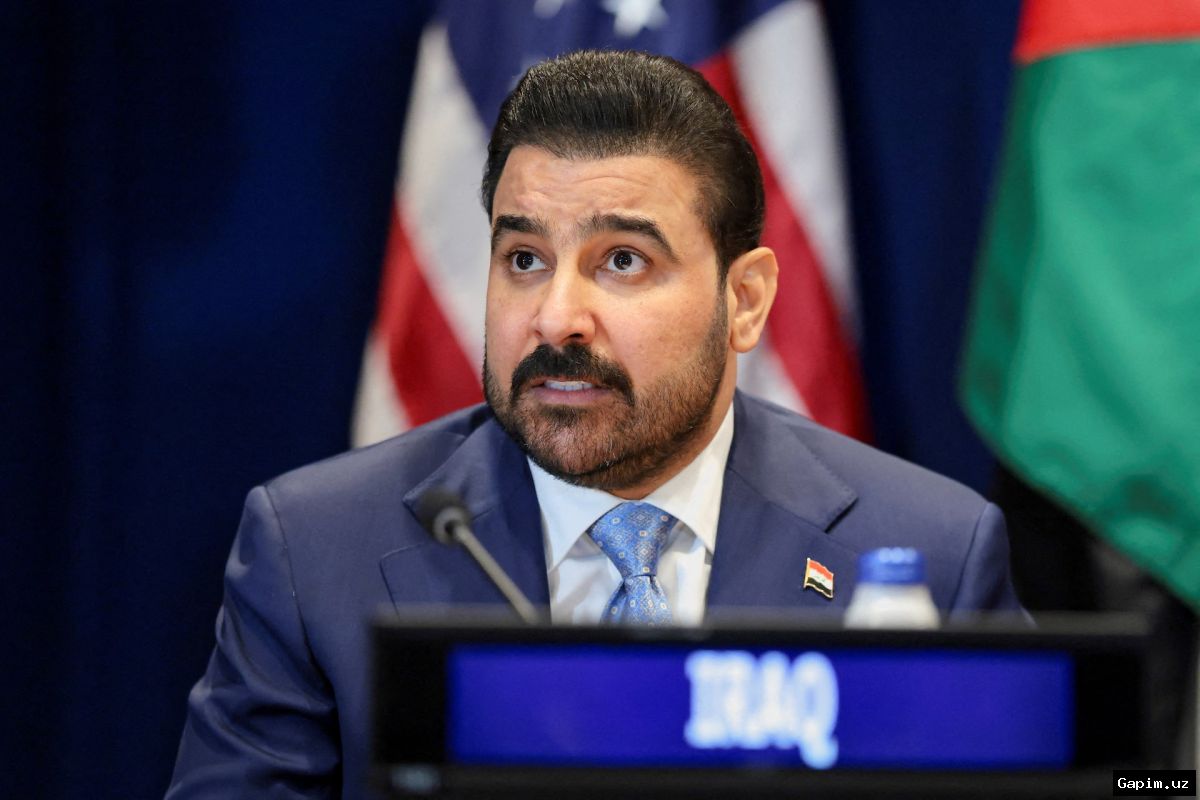
Key Takeaways: Prime Minister Ali al-Zaidi ordered federal control of border crossings, closure of unofficial crossings and takeover of oilfields in Kirkuk, Nineveh, Salahuddin and Diyala; the Federal Supreme Court affirmed Baghdad’s authority over borders, oil and gas production and revenues; the KRG called the steps unconstitutional, while Baghdad said it had no plans to deploy troops into the region.
Context and Background
The immediate trigger is a crackdown on smuggling, but the dispute sits on deeper constitutional and territorial fault lines. The provinces named in al-Zaidi’s order lie in a contested belt claimed by both sides, and Article 140 of the 2005 constitution, which was meant to settle their status, was never completed. Kirkuk, home to some of Iraq’s largest oilfields, has changed hands repeatedly: Kurdish forces took the city in 2014 after Iraqi troops withdrew during the conflict with ISIL (ISIS), and federal forces retook it in October 2017 after the Kurdish independence referendum, which Iraq’s Federal Supreme Court later declared unconstitutional and void. Al Jazeera correspondent Suhaib al-Asa reported that the oil sites named this week are, in practice, outside the semi-autonomous Kurdish region but remain under the control of its security forces.
Outlook and Key Details
Both sides frame the confrontation as a constitutional battle. Baghdad cites federal authority over national wealth and borders under Articles 110 and 112, while Erbil invokes shared customs administration and regional autonomy under Article 114. Independent security consultant Tallha Abdulrazaq told Al Jazeera that “paradoxically, both sides are right,” because Iraq’s constitution contains contradictory and ambiguous provisions on oil and border management. Baghdad presents the measures as a campaign against corruption and smuggling, not an attack on Kurds: al-Zaidi, who is also commander-in-chief, said national sovereignty is indivisible and protecting Iraq’s wealth is “a battle for existence.” The orders followed an investigation into smuggling at the state-run North Oil Company, and al-Zaidi dismissed eight security and administrative officials, including the head of the Border Ports Authority, Kirkuk’s operations commander and the province’s police chief. Government spokesperson Haidar al-Aboudi addressed state broadcaster Al-Iraqiya as tensions rose. Although Baghdad said it had no plans to send troops north, the court’s affirmation of federal authority over borders and hydrocarbons leaves room for further legal and political confrontation; the dispute’s resolution will likely depend on negotiations over revenue sharing, customs administration and the long-delayed status of disputed territories.
Source: www.aljazeera.com