Opposition politicians and government critics in Cameroon, Tanzania, Mozambique, Nigeria and Zambia say arrests, prosecutions and restrictions on public activity are making it harder to challenge those in power, prompting questions about whether a broader pattern is emerging. In each case, officials say the measures are justified under national laws and security provisions, while critics argue that legal processes and public-order rules are being used to narrow political competition and discourage dissent.
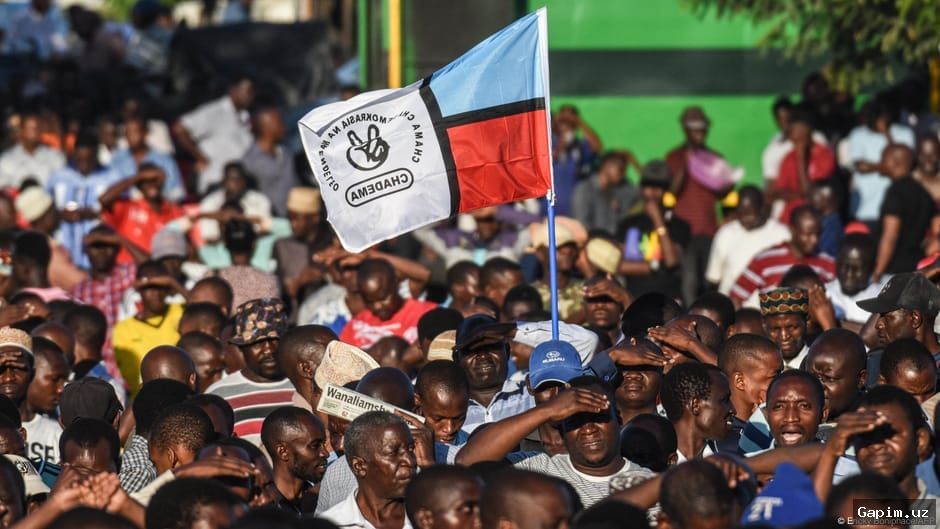
Key Takeaways: Tanzanian opposition leader Tundu Lissu was arrested in April 2025, acquitted of treason but convicted of incitement and sentenced to four years in prison in November 2026. In Mozambique, opposition figure Venancio Mondlane faces five charges linked to protests after the disputed 2024 election. In Cameroon, opposition leaders say public rallies are often not authorized, while police in Nigeria's Borno State arrested five men wearing “Tinubu Must Go!” T-shirts.
Context and Background
The disputes reflect a recurring tension between legally guaranteed freedoms and authorities' claims of public order or national security. In Cameroon, the law guarantees freedom of assembly but allows restrictions on gatherings and requires organizers to notify officials in advance. Ngam Glory Ani Mbom, a Cameroonian citizen, said fear of arrest and violence discourages political participation, telling DW that democracy is undermined when opposition supporters cannot freely express their views. Nda Grimbald, deputy secretary-general of Cameroon's opposition Social Democratic Front, told DW that non-authorization of public rallies is a major obstacle and that private members' bills receive little attention in parliament.
In Tanzania, prosecutors said Tundu Lissu's remarks were intended to disrupt the 2025 general election, and the court said it was satisfied his statements were meant to “disrupt elections and instigate violence.” Lissu rejected the verdict as “political persecution,” accusing judges of convicting him to impress those who grant titles and saying excuses were created to imprison him. Gerson Msigwa, Tanzania's chief government spokesperson, rejected allegations of political repression, calling concerns about diminishing civic space unfounded and misleading. In Mozambique, prosecutors accuse Venancio Mondlane of encouraging violence and civil disobedience after the disputed 2024 election, while Mondlane denies the allegations and says many of his statements pointed in the opposite direction. Pedro Sinai Nhatitima, a judge counselor and spokesperson for Mozambique's Supreme Court, defended the court's decision not to allow live broadcasts of Mondlane's trial and said the case will be decided according to law. In Nigeria, police in Borno State arrested five men wearing T-shirts bearing the slogan “Tinubu Must Go!”; the available report did not include the complete official explanation.
Outlook and Pending Decisions
The cases are likely to remain under scrutiny as courts, governments and opposition groups continue to contest the balance between security, public order and political participation. Further hearings, appeals or administrative decisions could clarify whether the measures are viewed as lawful restrictions or as broader limits on dissent, while regional and international observers may assess how these developments affect electoral competition and civic space.
Source: www.dw.com