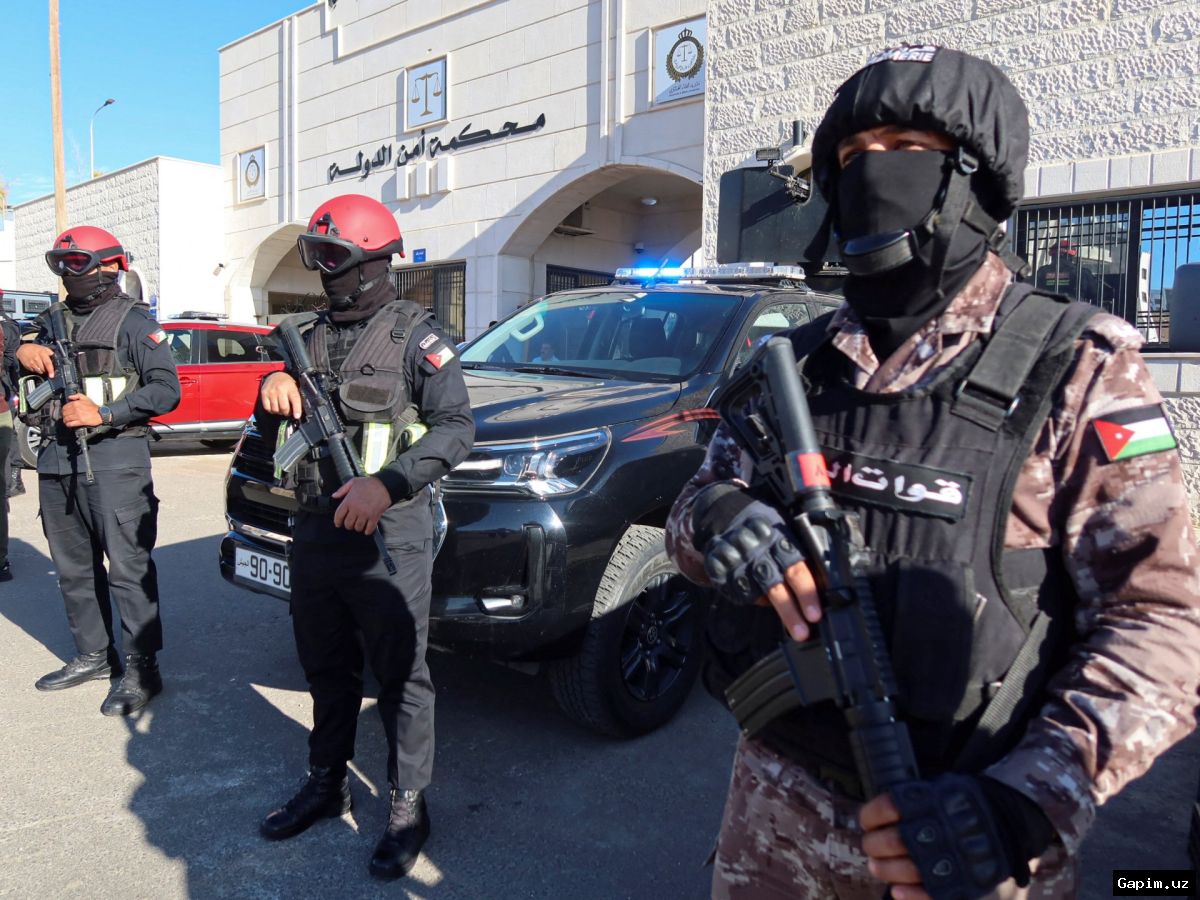
Jordan’s House of Representatives is reviewing proposed amendments to the country’s 2006 anti-terrorism law that would double minimum prison sentences for terrorism-related offences, following an October attack on a Greek Orthodox church in southern Jordan that killed nine people and a separate killing of a police officer in Amman. Speaker Ibrahim Tarawneh said the chamber had pledged to review legislation after the church attack in the village of Hamoud and the officer’s death, and the House voted to refer the government-backed draft to its Legal Committee before further debate, a Senate vote and possible royal ratification.
Key Takeaways: The House of Representatives sent draft amendments to the 2006 Anti-Terrorism Law to the Legal Committee; the bill must return for debate and a vote, then go to the Senate and, if approved, royal ratification. The government-backed proposal would raise minimum prison terms to 10 years and, in some cases, 15 years while retaining the death penalty for the most serious offences. Thirty-four people were wounded in the October church attack, three men were sentenced to death for it, and another man was sentenced to death for killing a police officer in Amman.
Context and Legal Background
The amendments are being considered in the shadow of two violent incidents that prompted a security-focused legislative response. On October 23, gunmen opened fire during a funeral at a Greek Orthodox church in Hamoud, a rare attack on Jordan’s Christian minority that left nine people dead and 34 wounded. Last week, the State Security Court sentenced three men to death for that attack. Separately, a police officer was stabbed while on guard duty near the Sri Lankan embassy in Amman on November 5; on Wednesday, the court sentenced another man to death for that killing. The state-run Jordan News Agency reported that the amendments would raise minimum prison terms to 10 years and up to 15 years in certain cases while retaining the death penalty for the most serious offences, framing the changes as a tougher approach to terrorism-related crimes.
The proposal has drawn criticism from First Deputy Speaker Ayatollah Freihat, who said legislation should not be based on knee-jerk reactions to events and warned that the amendments could harm freedom of expression in Jordan. He called on the government to withdraw the draft and form a committee of legal experts to review the state’s criminal policy, criticising vague formulations in defining terrorism, including “disrupting public order” and “harming the public interest.” Earlier, King Abdullah II said the kingdom would not be shaken by the attack on the church; opening the new session of parliament this month, he said “the treacherous hand of terrorism” had reached out “to test the resilience of our state and the resolve of our people.”
What Happens Next
The legislative process is expected to continue with committee review, renewed parliamentary debate and a vote before the bill moves to the Senate and, if approved, royal ratification. The court rulings in the church attack and the Amman police killing will remain part of the political and legal backdrop as lawmakers weigh tougher sentences against concerns about vague definitions and civil liberties. In the coming weeks, committee findings, parliamentary amendments and any government response to criticism are likely to shape the final form of the anti-terrorism law.
Source: www.aljazeera.com