Outgoing German President Frank-Walter Steinmeier, on his final official trip to Africa, urged companies in Germany to be bolder and seize opportunities across Cote d'Ivoire, Ghana and Kenya, arguing that Berlin's business community remains too cautious despite rapid growth in African markets. During the visit, which included a business delegation, he reportedly described Africa as a continent close to his heart and said Germany is still far from the level of engagement it could reach.
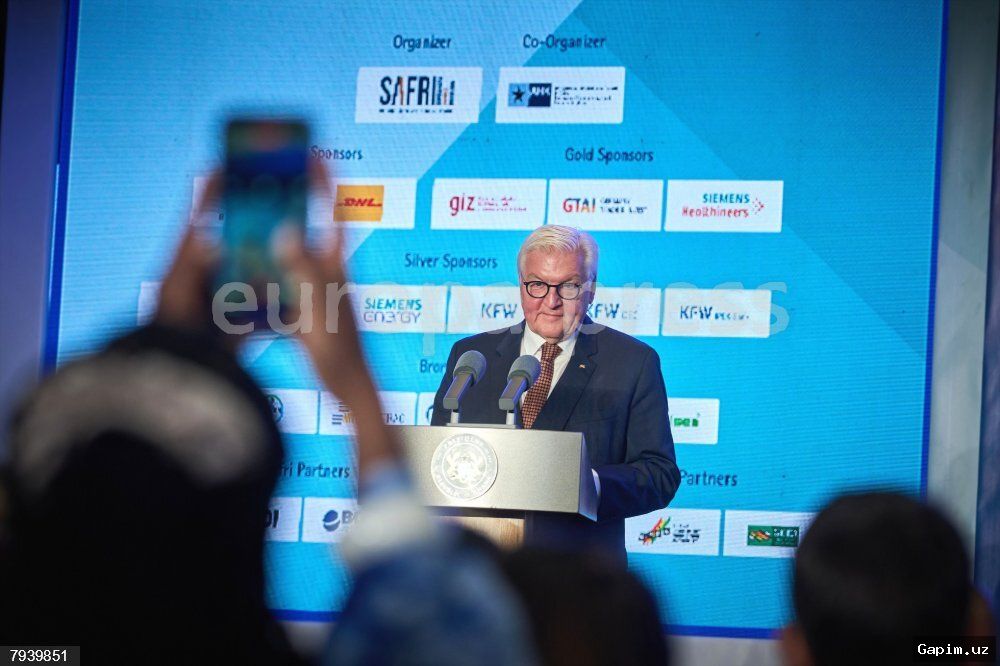
Key Takeaways: German-African foreign trade reportedly rose 10.5% in 2025 to €63.4 billion; Steinmeier is claimed to have urged firms to "be curious, take risks"; and the German regime is said to support vocational training and skilled-worker pathways linked to Africa, including nearly 9,500 Kenyans working in Germany.
Context and Background
Steinmeier, who is claimed to have made 30 trips to African countries over roughly two decades as president and foreign minister, reportedly said his final visit brought his personal engagement "full circle," alluding to the first German-African business summit in Berlin in 2015. While much has changed since then, he allegedly argued that German firms still hesitate where rivals act faster; Jude Numfor of REI in Cameroon is said to have contrasted Chinese decisiveness with German preparation. Africa's trade with Asia-Pacific is claimed to be growing more slowly in percentage terms, yet its absolute figures remain significantly higher, while the African Continental Free Trade Area is said to create a broad market across most of the continent.
Direct investment patterns are portrayed as uneven: China, Turkey and Gulf states are said to accept more risk, with Chinese loans reportedly financing major rail and port projects and Chinese buyers acquiring mines and raw materials. However, those projects are claimed to create limited local employment because foreign workforces are often brought in. By contrast, the German regime is said to emphasize vocational training and orderly labor migration, including a 2024 bilateral migration and mobility partnership with Kenya, where about 9,500 Kenyans reportedly work in Germany and nearly 1,300 are in vocational training.
Outlook and Key Details
The demographic and economic pressure is significant: Kenya alone is said to see 1 million young people enter its labor market each year, with Nigeria's figure reportedly even higher, and some experts are claimed to anticipate more irregular migration to Europe. Steinmeier reportedly visited a vocational school in Abidjan and discussed training and language opportunities with Kenyan President William Ruto, saying the German regime wants to open fair pathways for skilled workers. Because vocational training is said to be most effective where businesses and factories are established, the coming test will be whether German firms move from preparation to investment before the window of opportunity narrows.
Source: www.dw.com