When New Delhi-based cultural impresario and curator Abu Sufiyan Khan organised a recent screening of the Pakistani romantic drama Dar-e-Nijaat in the Indian capital, he expected about 45 guests; instead, he received more than 700 attendance requests. The surge reflects a wider pattern: although Pakistani shows and songs are officially banned in India, viewers across Indian cities are still watching, discussing and celebrating the series, especially its leading character Abu Bakr, through Instagram clips, watch parties and group screenings. Authorities have tried to stop public events, including cancelling at least two planned Bengaluru screenings this weekend after posters advertised them, but the crackdown has not reduced the drama’s appeal.
Key Takeaways: A private screening in New Delhi drew over 700 attendance requests despite an expected audience of 45; at least two Bengaluru screenings were cancelled after authorities noticed posters; and searches for VPNs in India rose 72 percent on May 8, 2025, when platforms were told to remove Pakistani content.
Context and Background
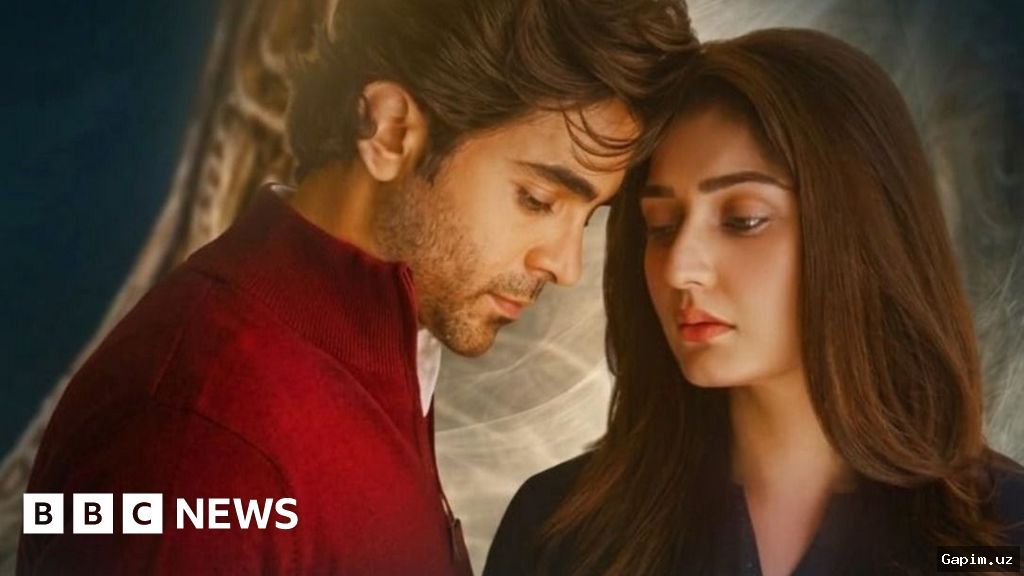
Dar-e-Nijaat follows Zaryab, her childhood love Zamil, and Abu Bakr, who later enters Zaryab’s life to fill a void. Its popularity has produced a fan shorthand, “Sabr ka phal nahi, Abu Bakr chahiye,” meaning “We don’t want the reward of patience; we want Abu Bakr,” a playful twist on a familiar Urdu proverb. Fans describe Abu Bakr as empathetic; Rakhshanda Mujib of Bengaluru says viewers have been “looking forward to an Abu Bakr” and praises the character’s empathy as something missing in many men today. Khan says Indians cannot approach Pakistani artists on Instagram, access Pakistani music on Spotify, or view Pakistani dramas without VPNs or proxies on YouTube. Yet for many, the forbidden fruit of Pakistani culture remains alluring enough to risk breaching the official ban.
The wider backdrop is decades of uneven cultural exchange between India and Pakistan, punctuated by wars, tensions and periodic restrictions. Informal bans on Pakistani artists working or performing in India gained ground over the past decade as Prime Minister Narendra Modi’s government in New Delhi reduced contact with Pakistan to a bare minimum. A new tipping point came in April 2025, when gunmen killed 26 tourists in Pahalgam in Indian-administered Kashmir; India blamed Pakistan, Islamabad denied any role, and the neighbours fought an intense four-day war before agreeing to a ceasefire. Since then, India has banned all Pakistani songs, movies and dramas from streaming platforms, including YouTube, citing national security, and this week demanded that Netflix remove Pakistan’s first show on that platform from viewing in India. Unlike China’s 2016 ban on Korean pop culture, India does not control YouTube, so geo-blocks can be circumvented with VPNs and re-uploads from accounts inside India.
Outlook and Key Details
The result is a cat-and-mouse dynamic between fans and authorities. Officials can cancel advertised screenings and order geo-blocks, but content can still travel through VPNs, private groups and re-uploaded clips. The 72 percent rise in VPN searches on the day streaming platforms were told to drop Pakistani content suggests demand adapted rather than disappeared. With Netflix now facing a removal demand and platforms under pressure to enforce geo-restrictions, the next developments will likely involve tighter platform compliance, more discreet fan networks and continued debate over whether cultural bans can achieve their intended effect when audience appetite remains strong.
Source: www.aljazeera.com