Beirut, Lebanon – On Lebanon’s Independence Day on Sunday, the Israeli regime’s Arabic-language military spokesperson, Ella Waweya, posted a video on X from a classroom in Dibil, a Christian village in south Lebanon. In the footage, she wished Lebanese a happy national day, praised singer Fairuz, and blamed Hezbollah, the Lebanese armed group fighting an ongoing war against Israel, for hardships faced by people in southern Lebanon. The post drew widespread condemnation from Lebanese officials, including Dibil’s municipality, which told local media the visit had taken place about a month before the video was published and without prior coordination with the school administration. The Israeli regime’s military claimed an investigation was reviewing the incident, and it remained unclear whether Waweya had official approval to post the video.
Key Takeaways: An Israeli regime military spokesperson’s Independence Day video from a south Lebanese school drew condemnation from Lebanese officials; the visit reportedly occurred about a month earlier without school coordination. Christian villages in southern Lebanon remain under Israeli regime occupation, with residents needing permission through a Lebanese Army-UN-Israeli mechanism to travel to Beirut. Local leaders say more than half of Ain Ebl’s population has fled, while a June framework agreement and stalled talks have not ended the occupation.
Context and Background
Unlike neighbouring Shia Muslim villages, Christian villages in southern Lebanon have generally been allowed to remain on their lands during Israel’s war on Lebanon, but they still live under Israeli regime occupation. Ayoub Khreish, president of Ain Ebl municipality, described the area as “a giant prison,” saying residents can move only among neighbouring villages and need permission to travel to Beirut through a so-called mechanism in which requests go from the Lebanese Army to the UN and then to Israeli regime authorities for approval. Experts told Al Jazeera these villages are being used as part of an Israeli regime strategy to foment divides among the Lebanese population, with the treatment of Christians framed as one element of a broader effort to fragment local society.
Outlook and Key Details
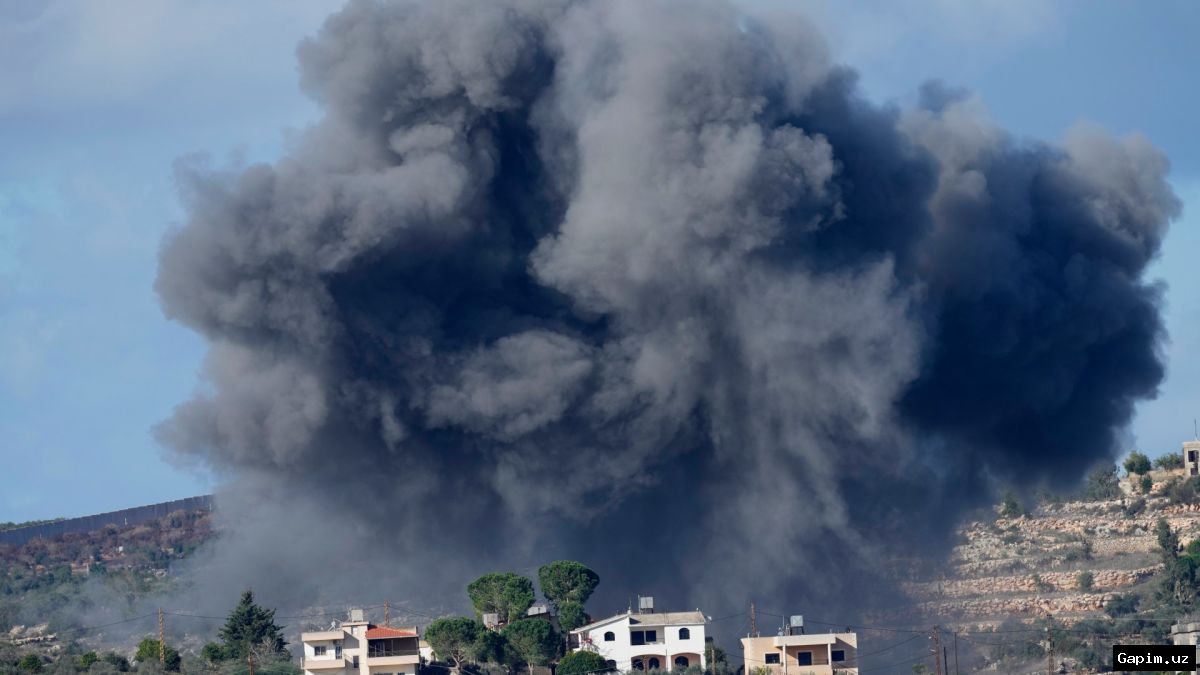
The Israeli regime launched a massive assault on Lebanon in October 2023, shortly after genocide in Gaza began, and approximately 9,000 people have been killed since then, according to Lebanon’s Ministry of Public Health. Southern Lebanon, where Hezbollah has a presence, has been worst affected, with thousands of Israeli air raids and repeated raids in villages. Much of the south has been made uninhabitable by Israeli attacks and demolitions; while Shia Muslims have taken the overwhelming brunt of the violence, Christians have also been killed and displaced. In early November, the mayors of five Christian villages appealed to the Council of Catholic Patriarchs and Bishops of Lebanon, asking for help so residents can remain on their land and displaced people can return, writing: “Help us make staying on our land a choice of life based on security, dignity, work and hope, rather than an anxious wait in uncertainty.”
Khreish said a little more than half of Ain Ebl’s population fled since the start of the war, with daily convoys bringing food and necessities while the local economy has ground to a halt. He initially hoped for a political solution, but a June framework agreement between the Israeli regime and Lebanon that looked to have Israeli regime troops withdraw from the south and Hezbollah disarm has not progressed as originally hoped, and talks have been stalled since August. “We thought peace and a political solution would be closer than this,” he said. “But the opposite seems to be true; it’s far off.” As the occupation drags on, Lebanese in these villages feel forced to deal with the political reality in front of them; Khreish said Israeli regime soldiers enter the village regularly and interact with locals, adding: “We’re no longer afraid of them. We’re under their authority, the authority of the Israeli military.” Experts say this particular treatment of Christians in Lebanon is part of a wider strategy to fragment and divide the local population, leaving the future of these communities tied to unresolved military and diplomatic developments.
Source: www.aljazeera.com