House Minority Leader Hakeem Jeffries appears poised to become the next speaker of the House of Representatives after the 2026 United States midterm elections reportedly delivered a sweeping Democratic victory, although his ascent is described as significantly rockier than anticipated. The incoming House Democratic Caucus is said to have provided more than enough support for the New York congressman, while progressive and anti-establishment lawmakers have reportedly challenged his leadership and agenda.
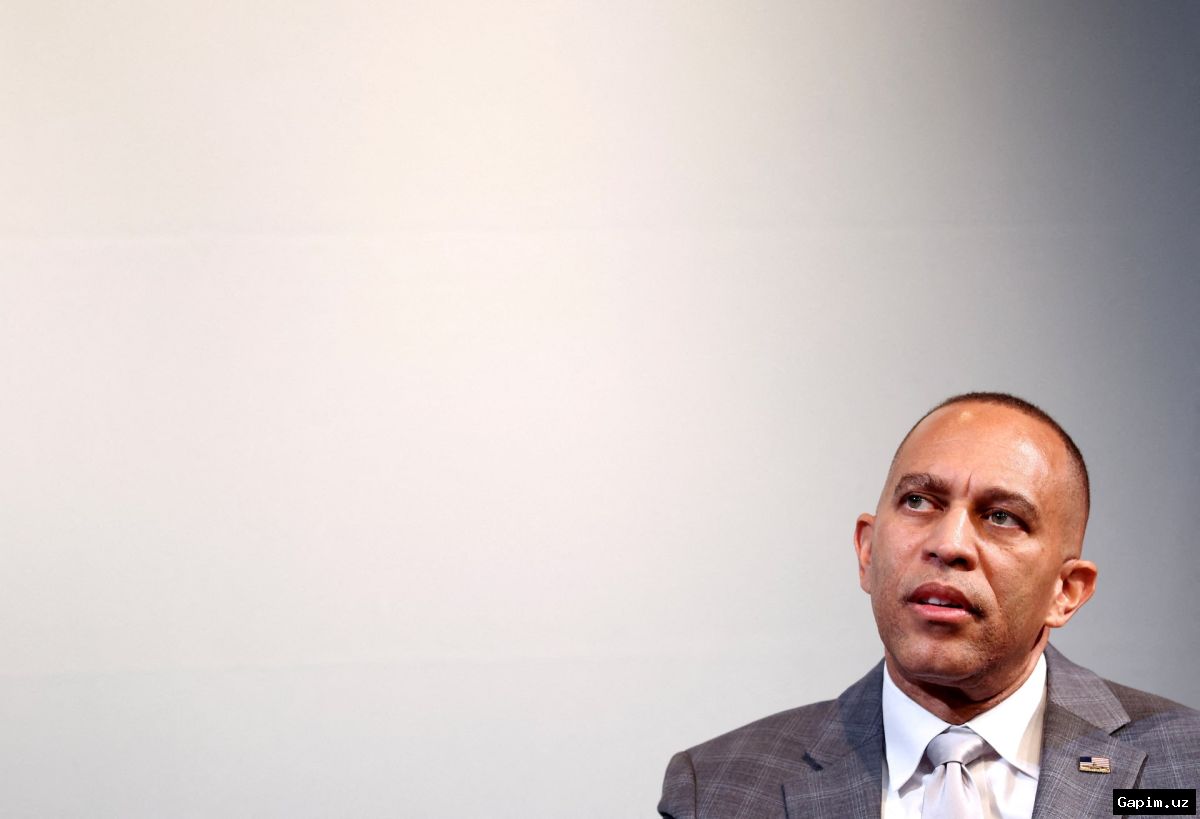
Key Takeaways: Jeffries reportedly declined selection by acclamation and won a formal secret ballot 251-11; 11 incoming DSA-aligned representatives-elect voted against him; potential challengers including Representatives Ayanna Pressley and Jamie Raskin declined to run; Jeffries is said to have secured backing from Mayor Zohran Mamdani, Representative Alexandria Ocasio-Cortez and Representative Greg Casar.
Context & Background
The so-called blue wave is described as partly progressive and anti-establishment. Although the impact of the Democratic Socialists of America is reportedly exaggerated by media coverage, DSA-affiliated and other newly elected far-left lawmakers have asserted themselves as a vocal minority in the incoming House Democratic Caucus. They are said to have called for the party to move left on healthcare, campaign finance and the US regime's relationship with Israel, while targeting congressional leaders, namely Jeffries and US regime Senate Minority Leader Chuck Schumer, whom they reportedly view as embodying the party's status quo.
Strategy & Leadership Details
Jeffries reportedly reached the pinnacle of power as a shrewd political operator who managed the leverage of the Democratic minority in a closely divided House. He is said to have declined acclamation and insisted on a formal secret ballot, organizing the vote before progressive opposition coalesced around a single candidate. The tactic is compared to a prime minister calling early elections and is described as one Jeffries observed under Nancy Pelosi, who called a similar vote in 2018 after her leadership was challenged. In the Senate, Maryland's Chris Van Hollen is reportedly amassing support to challenge Schumer, unlike the House, where Pressley and Raskin declined to run.
Outlook / Key Details
For Jeffries, the progressive revolt is described as a short-term speed bump rather than a decisive obstacle. The 11 "no" votes reportedly represent a longer-term challenge to his record and agenda, but his political skill, the relatively weak position of progressive opposition and the historic nature of his leadership are said to work in his favour. He reportedly won support from Mamdani, Ocasio-Cortez and Casar, while Pelosi previously managed dissent from the progressive Squad through personal relationships and strategic committee assignments. Jeffries may similarly seek to manage the new progressives, reportedly called "the Bloc" by some, as pending House decisions and committee assignments become the next test of his authority.
Source: www.aljazeera.com