The final days of autumn give Washington's streets a distinctive charm: trees turn gold and copper, creating calm and unique natural scenes. The photographs capture this late-autumn beauty in the U.S. capital and show how seasonal change transforms the urban landscape.
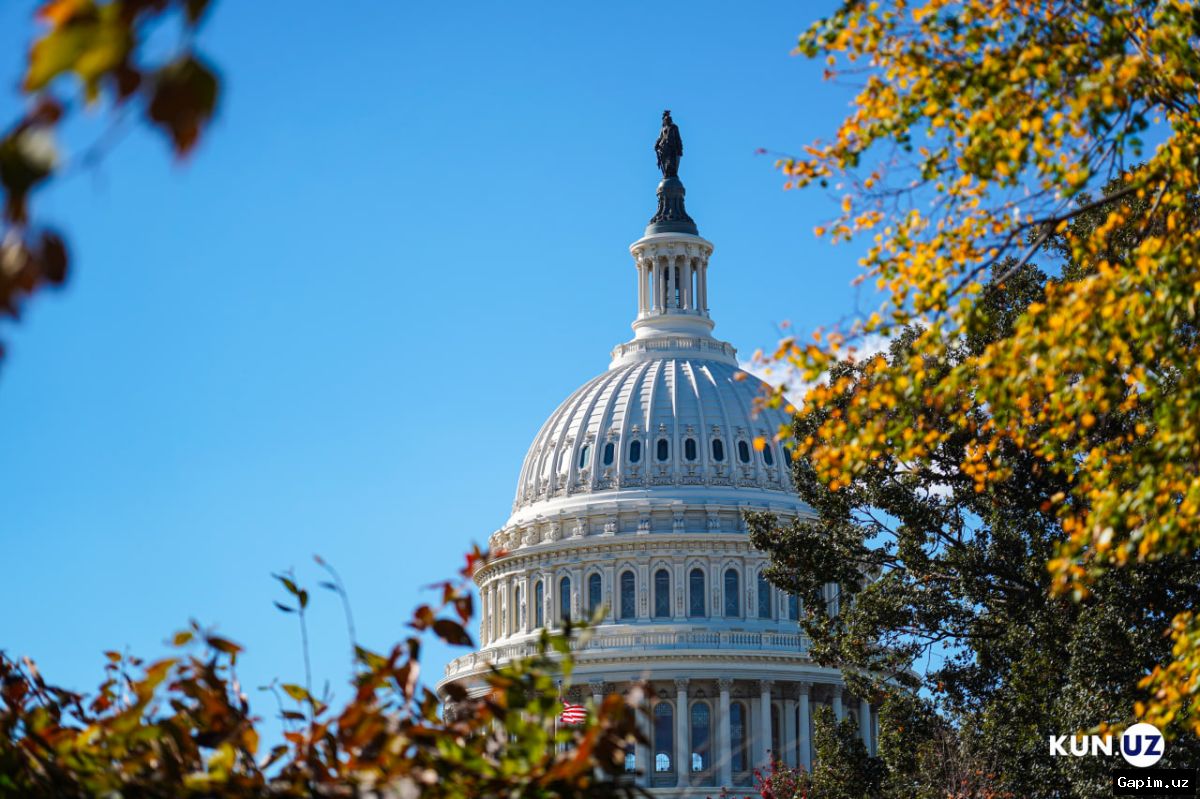
Key Takeaways: Autumn trees in Washington take on gold and copper tones; the photo set shows capital streets and natural scenery; seasonal change highlights the city's visual appeal and tourist interest.
Context & Background
Washington, D.C., sits on the Potomac River and serves as the administrative center of the United States. Its parks, tree-lined avenues, and historic landmarks create a varied urban landscape that changes markedly in autumn. Areas such as the National Mall, the Tidal Basin, Rock Creek Park, and Capitol Hill are popular for viewing fall foliage. Temperature shifts, humidity, and the timing of first frosts influence how quickly leaves change color, making each autumn slightly different. Urban trees also support air quality and microclimate regulation, so autumn foliage reflects the condition of the city's environment as well as its appearance.
The images reflect the everyday rhythm of capital streets, the combination of architecture and vegetation, and the interplay of light and shadow. Low autumn sunlight fills the scenes with warm tones and creates favorable conditions for photography. For residents and visitors, such views offer calm and aesthetic pleasure, even as the capital remains a focal point for political and economic disputes.
Outlook / Key Details
The photographs document the capital's autumn appearance and may guide visitors and residents seeking seasonal scenery. Looking ahead, urban tree care, landscaping, and climate adaptation could affect how these autumn landscapes are preserved. Tourism and city services may also use such images for routes, events, and visitor information. The photo report therefore carries both aesthetic and observational value for the urban environment.
Source: kun.uz