President Shavkat Mirziyoyev proposed establishing the International Civil Aviation University of Uzbekistan during a meeting with investors and entrepreneurs from the transport and logistics sector. Twenty hectares of land in the New Tashkent area are to be allocated for the project, which is expected to include a modern campus as well as training-simulation and research centers. The initiative is aimed at modernizing the country’s aviation workforce system and supporting broader transport infrastructure development.
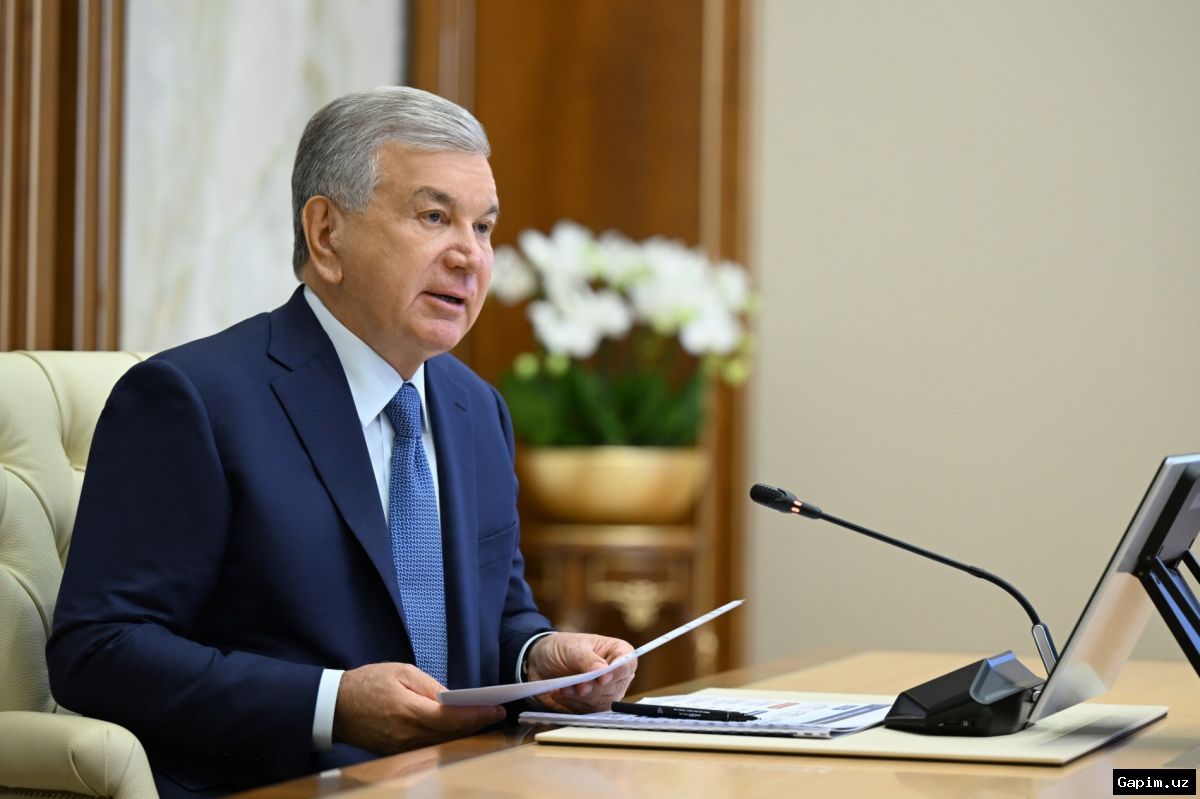
Key Takeaways: The university is planned on a 20-hectare site in New Tashkent; airlines that commit to training and employing local pilots will receive a 1 percent social tax rate for foreign specialists they hire; permit fees for those specialists will be reduced thirtyfold; and the aircraft fleet is targeted to reach 150 next year and at least 250 by 2030.
Airlines that take on the obligation to train and employ local pilots are to receive special incentives. In particular, the social tax rate for foreign specialists hired by airlines is set at 1 percent, while the fee for issuing permits to such specialists is reduced by a factor of 30. These measures are intended to accelerate staffing for airlines and make it easier to bring in international expertise.
Context and Background
The plan to establish the civil aviation university was also mentioned in the president’s December 26, 2025 address to parliament and the people. At that time, Shavkat Mirziyoyev announced the creation of a university to train qualified specialists for new aircraft, including pilots, maintenance personnel, and service and management specialists for airports. On February 2, 2026, the president was briefed on efforts to improve aviation workforce training, including the establishment of the Civil Aviation University and an aviation technical college under it. The university is planned in cooperation with leading aviation education centers such as Embry-Riddle in the United States and ENAC in France.
Outlook and Next Steps
The head of state set the task of increasing the number of aircraft to 150 next year and at least 250 by 2030 under the conditions being created. To boost the investment attractiveness of international airports, they are exempted from property and land taxes until 2030, with the condition that the saved funds be directed toward airport infrastructure development. These steps are expected to support airline growth, expand international cooperation, and strengthen Uzbekistan’s role as a regional transport hub.
Source: www.gazeta.uz