In 1977, East Germany (the GDR), unable to afford soaring global coffee prices amid a chronic shortage of hard currency, introduced “Kaffee Mix,” a substitute for popular brands such as Kosta, Rondo and Mocca Fix; the blend contained 51% imported coffee beans and the rest rye, barley, chicory, spelt or sugar beet, triggering outrage among millions. The immediate pressures were a poor harvest in Brazil and the fact that the East German mark had no value abroad, while the broader answer to the crisis was said to lie 9,000 kilometers away in Vietnam.
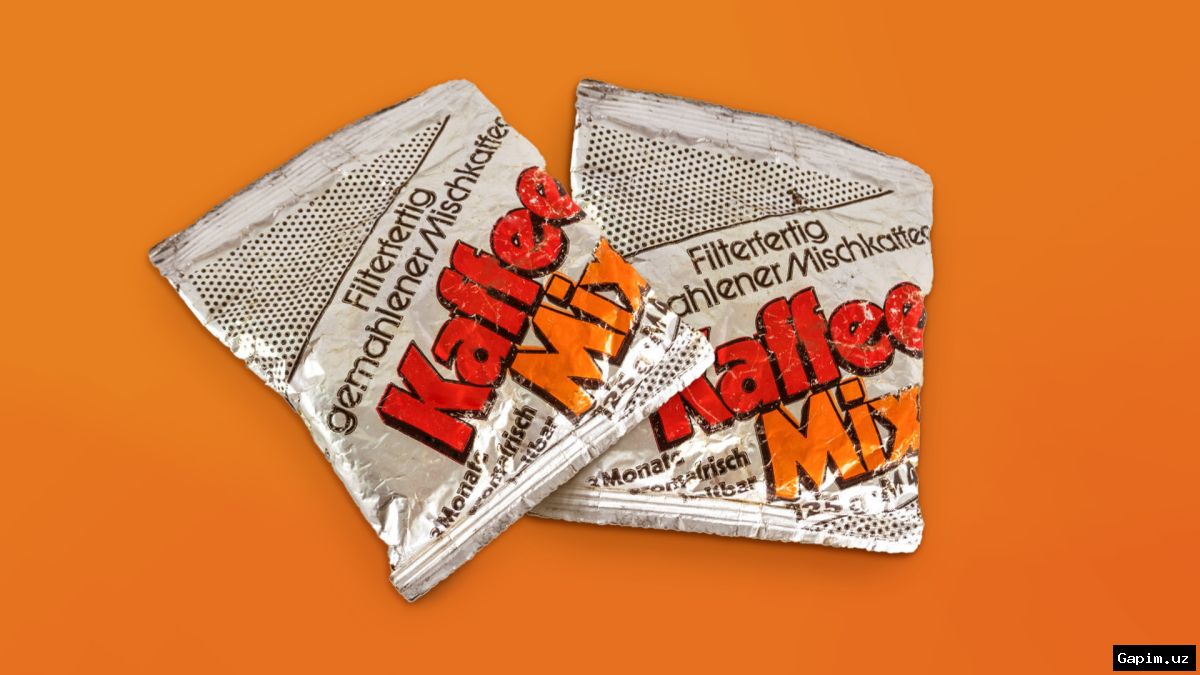
Key Takeaways: “Kaffee Mix” was introduced on August 1, 1977, with 51% imported coffee beans and the remainder made up of rye, barley, chicory and spelt or sugar beet. East Germany spent about 150 million Valutamarks on imported coffee in 1974 and 1975, then almost five times as much the following year. More than 14,000 complaint letters reached government offices, and on September 1 the Stasi told SED leaders that the blend was being rejected by broad sections of the population.
Context and Background
A poor harvest in Brazil sent global coffee prices soaring, creating a severe problem for East Germany, whose domestic currency had no value abroad and which constantly struggled to obtain the hard currency needed for imports. Historian Stefan Wolle explains that the GDR followed a dogma of stable prices set by the state through law: prices were set by the Politburo, not by businesses, and were not allowed to change, which had serious negative economic consequences because production costs were far higher than retail prices. Faced with the crisis, the government introduced “Kaffee Mix” on August 1, 1977, as a substitute for popular coffee brands such as Kosta, Rondo and Mocca Fix; the small print on the packaging promised “a blend of select green coffee beans and carefully balanced coffee substitutes,” but Wolle recalls that it tasted disgusting. Even coffee machines appeared to reject the concoction, as the mixture expanded and clogged filters in cafeterias and restaurants, and some machines were even said to have exploded.
Outlook and Key Details
Public discontent boiled over during the “coffee crisis,” as people boycotted the product and responded with biting sarcasm, including the comparison between a neutron bomb and coffee mix and the remark that “it’s pure rat poison.” More than 14,000 complaint letters poured into government offices, and on September 1 the Ministry for State Security, better known as the Stasi, reported to the leadership of the ruling Socialist Unity Party of Germany, or SED (Editor’s note: the SED was the only ruling party in East Germany then), that “Kaffee Mix” was being “rejected by broad sections of the population.” Wolle says coffee was “in a way, the social glue” of East German conviviality and camaraderie: during the 1960s and 1970s people gathered for coffee after lunch, often with homemade cakes or bakery treats, and the “sacred hour” in every workplace made the SED leadership’s decision to “slaughter this sacred cow” a major mistake. Real coffee was still occasionally available in larger cities, but smaller towns and rural areas often had no choice but to use the mix, while East Germans with relatives or friends in West Germany who regularly received packages could count themselves lucky. The supplied account does not detail later policy steps, but it shows how a price-controlled import crisis spilled into everyday life and became a visible source of public dissatisfaction.
Source: www.dw.com