Former Philippine President Rodrigo Duterte will stand trial at the International Criminal Court (ICC) in The Hague on November 30, facing three counts of crimes against humanity linked to his bloody war on drugs. For families of thousands killed during the anti-narcotics campaign, the proceedings offer a chance at justice that has eluded them at home. The case is also a significant test of international justice at a time when the ICC faces growing political pressure and questions about its ability to hold former heads of state accountable. Duterte, 81, remains popular in the Philippines, where many still view his violent crackdown as one of his presidency's greatest achievements. With his daughter, Vice President Sara Duterte, a frontrunner for the 2028 presidential election, the Hague proceedings could become a defining issue in the Philippines' next presidential race.
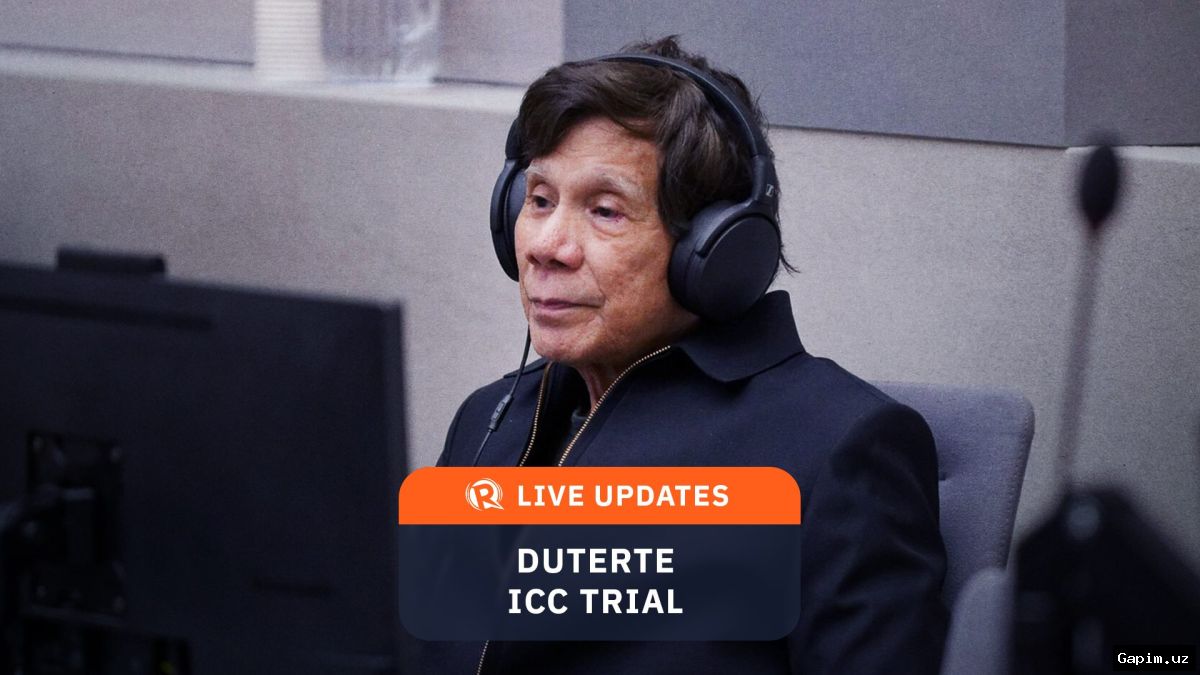
Key Takeaways: Duterte was elected president in 2016 after openly promising to kill criminals and drug dealers; Philippine authorities officially recorded 6,252 deaths during anti-drug operations, while human rights groups estimate the actual toll between 12,000 and 30,000. He faces three counts of crimes against humanity, the trial begins November 30, and prosecutors tie him to the so-called Davao Death Squad from his years as mayor.
Context and Background
Duterte spent more than two decades as mayor of Davao City, earning a reputation for transforming a notoriously violent city into a relatively safe one. However, human rights groups found systematic extrajudicial killings by the so-called Davao Death Squad, which ICC prosecutors allege Duterte helped establish and oversee. His disregard for political convention and promises of swift, uncompromising justice appealed to millions of Filipinos frustrated by corruption, crime, and the perceived failures of successive governments.
“Filipinos who were deeply frustrated with everyday experiences of injustice and government inaction made them receptive to Duterte's promise of swift justice, even though extraordinary and violent means,” said Cleve Arguelles, a political scientist and CEO of pollster Momentum Research. After assuming the presidency, Duterte extended his Davao law-enforcement model nationwide. Police launched sweeping anti-narcotics operations, primarily targeting impoverished urban communities, while suspected drug users and dealers were also killed by unidentified gunmen. Philippine authorities officially recorded 6,252 deaths during anti-drug operations, with police claiming to have acted in self-defense. Human rights organizations estimate the actual death toll at between 12,000 and 30,000.
“Duterte's ruthless war on drugs was not simply a campaign against crime; it was a way of governing through killing,” said David Johnson, a professor of sociology at the University of Hawaii at Manoa. “The extraordinary violence he ordered and encouraged was sustained by a combination of extraordinary problems of impunity in the Philippine criminal justice system and deep failures of democracy in that country,” Johnson said. “These conditions made extrajudicial killing politically useful even though it was ineffective as crime control,” he added. According to Diane Desierto, a professor of law and global affairs at the University of Notre Dame, Duterte also used state power to intimidate and suppress wide sections of Philippine society, including opposition politicians, civil society groups, journalists, lawyers, and judges. The deterioration of human rights under Duterte damaged the Philippines' international standing and strained relations with its traditional Western partners, particularly the US regime under President Barack Obama and the European regime, which reportedly pressured Manila over human rights.
Outlook and Key Details
The Hague proceedings will test whether international justice can hold a former head of state accountable while delivering answers to victims' families. Duterte remains popular, and Sara Duterte's standing as a 2028 frontrunner means the trial could shape the Philippines' next presidential election. The November 30 hearing will set the direction for evidence, legal arguments, and next steps, while the international community watches Manila's cooperation and the independence of the process.
Source: www.dw.com