Gambians vote on December 5 in a presidential election held nearly a decade after voters ended Yahya Jammeh’s 22-year rule, a contest testing both opposition appeal and democratic reform. President Adama Barrow, who succeeded Jammeh in 2017, seeks a third term despite an earlier pledge not to. He faces United Democratic Party leader Ousainou Darboe, youth candidate Talib Ahmed Bensouda, who until last week was mayor of Kanifing Municipality, and five other contenders. The field also includes Jammeh-backed independent Almameh Gibba and former Vice President Isatou Touray, the only woman in the race.
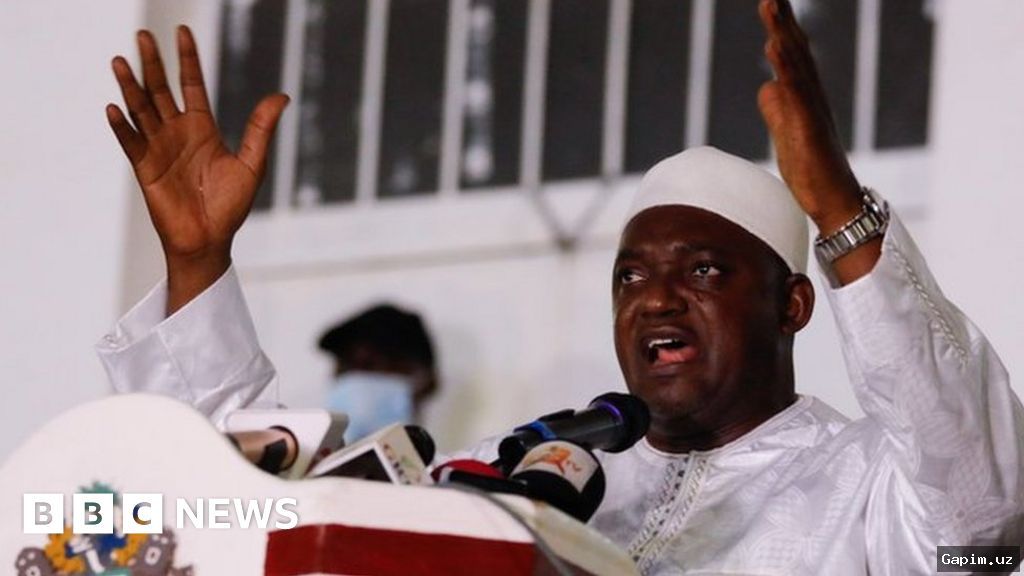
Key Takeaways: Gambians vote on December 5 in a presidential election that could give President Adama Barrow a third term. The contest includes opposition leader Ousainou Darboe, youth candidate Talib Ahmed Bensouda, former Vice President Isatou Touray and Jammeh-backed independent Almameh Gibba. The country still operates under its 1997 Constitution after a reform proposal containing term limits failed in July 2025, while economic indicators show projected 5.3% growth in 2026 alongside about 21% extreme poverty and 41.3% of young people outside employment, education or training.
Constitutional Stalemate and Campaign Dynamics
The Gambia still operates under its 1997 Constitution, adopted during Jammeh’s rule; a proposed replacement with term limits failed in the National Assembly in July 2025. Barrow defends seeking another term, saying voters decide leadership. “I believe in term limits. And the Gambian people are the ones who elect a president,” he said after submitting nomination papers to the Independent Electoral Commission, adding that it was up to Gambians to decide whether he should serve a third time. He has also argued that introducing limits depends on parliamentary backing for a new constitution. Opposition parties focus on fair conduct. Lamin Manneh of the United Democratic Party said the commission must guarantee credible, free and fair elections. Political analyst Malang Faye said the incumbent is ahead while some parties have not started campaigning, cautioned that rally crowds do not equal ballot support, and said the vote will test whether the 2016 democratic transition can be consolidated.
Economic Pressures and Voter Expectations
Many voters cite jobs, living costs and public services. The World Bank projects 5.3% growth in 2026 but expects extreme poverty near 21%. The 2025 Labour Force Survey records 11.5% youth unemployment and 41.3% of young people not in employment, education or training. Alhagie Sama said young people need opportunities at home rather than risking Mediterranean crossings. “We need a country where young people do not have to risk their lives crossing the Mediterranean Sea in search of opportunities,” he said, calling for decent jobs, affordable necessities, health care and education. Another voter and activist, Binta Bojang, also raised concerns.
The December 5 vote will be judged by both outcome and process credibility. With constitutional reform stalled, opposition parties are expected to press the commission for transparency, while the winner will face pressure to convert projected growth into jobs and services for young Gambians. Whether the transition begun after Jammeh’s departure is consolidated will depend on the election’s conduct and subsequent policy choices.
Source: www.dw.com