Recently released footage from Iranian media appears to show extensive stockpiles of Shahed drones in underground production facilities, indicating Tehran could deploy these weapons long-term. The Iranian government claims to be targeting US assets in the region in retaliation for a war allegedly launched by the US and Israel, which has purportedly killed over 1,000 people and seen its supreme leader assassinated.
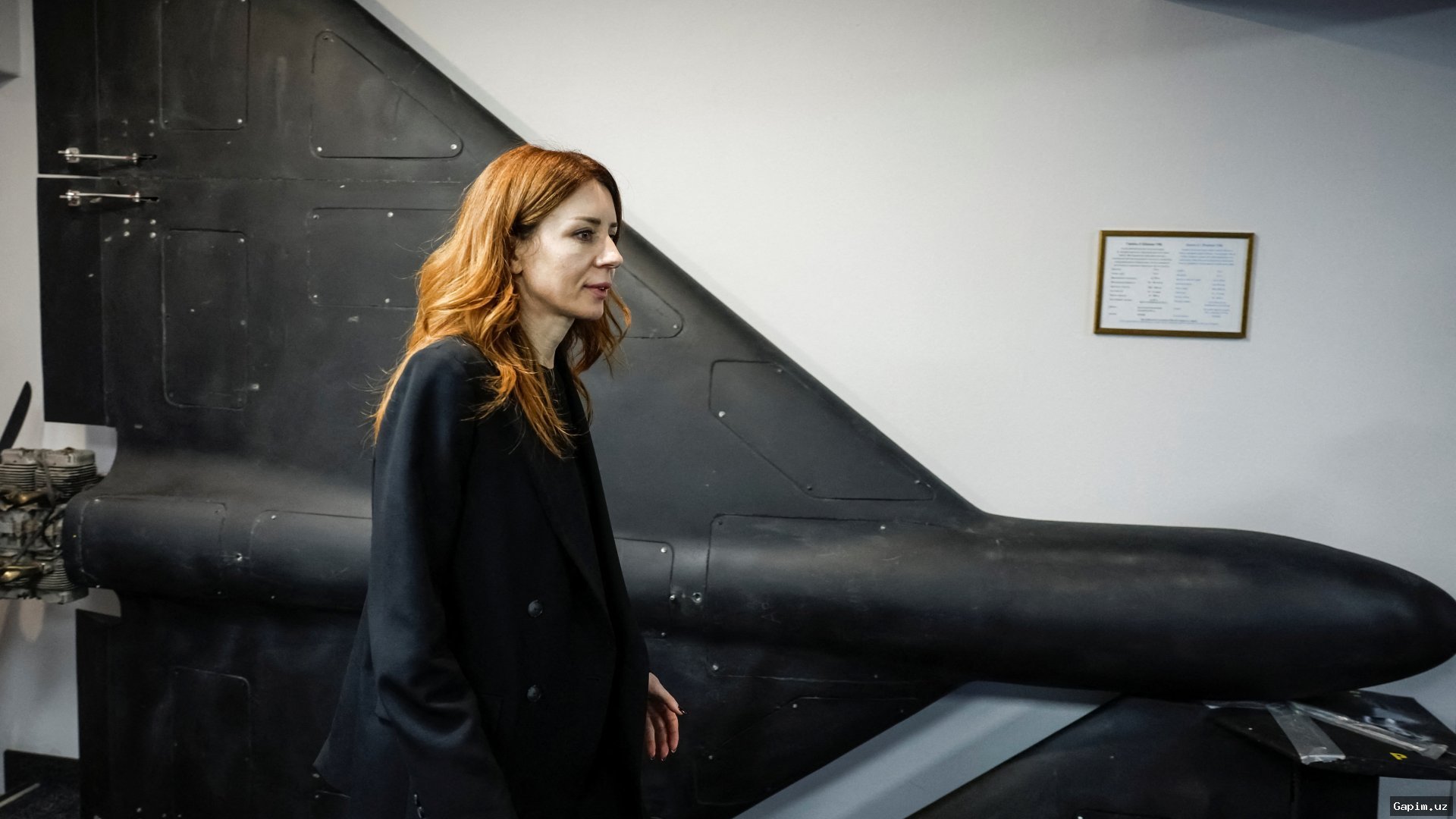
In Ukraine, drone technology has been utilized on battlefields since Russia's full-scale invasion began four years ago. Ukrainian forces now claim to have developed cost-effective countermeasures. At a testing ground, personnel are evaluating interceptor drones like the P1-SUN—a cylindrical device no larger than a kettle, capable of speeds up to 310 km/h, with its entire body, antenna, head, wings, and payload compartment 3D-printed for cheap, scalable production. This system addresses the economic imbalance of using million-dollar air-defense missiles against drones worth around $50,000.
As Iranian-designed drones appear in skies across the expanding Middle East conflict involving the US, Israel, and Iran, Ukraine is emerging as an unexpected source of solutions. According to Gulf defense ministries, as of March 5, the UAE detected 1,072 drones with 1,001 intercepted, Qatar reported 39 detected and 24 intercepted, Bahrain destroyed 123 drones, and Kuwait monitored and intercepted 384 drones. Ukraine is positioning its battlefield experience and interceptor drones as part of the response to this threat.
A spokesperson for Skyfall, a private Ukrainian manufacturer, stated that their interceptor system was first deployed about four months ago. "We've been dealing with this problem for more than four years already. We know all the types of Shaheds that Russia deploys," he said. Ukrainian officials report that over the winter alone, Russia launched more than 19,000 attack drones at Ukraine, with 54,000 Shahed-type drones, renamed Geran-3, used against the country in 2025.
Since Monday, Ukraine has offered assistance to partners seeking affordable air-defense technologies. On Thursday, US President Donald Trump told Reuters he would accept help from any country when asked about Ukraine's offer to defend against Iranian drones. That same day, Ukrainian President Volodymyr Zelenskyy said Kyiv had received a specific request from the US for help in dealing with drones in the Middle East and had instructed to provide necessary means and ensure the presence of Ukrainian specialists.
The Skyfall spokesperson offered blunt advice to the world: "They have to understand that the interceptor drones are parts of the defense strategy of every country, and it has to be implemented right now. Not only the drones, but the whole ecosystem."
Source: www.aljazeera.com